

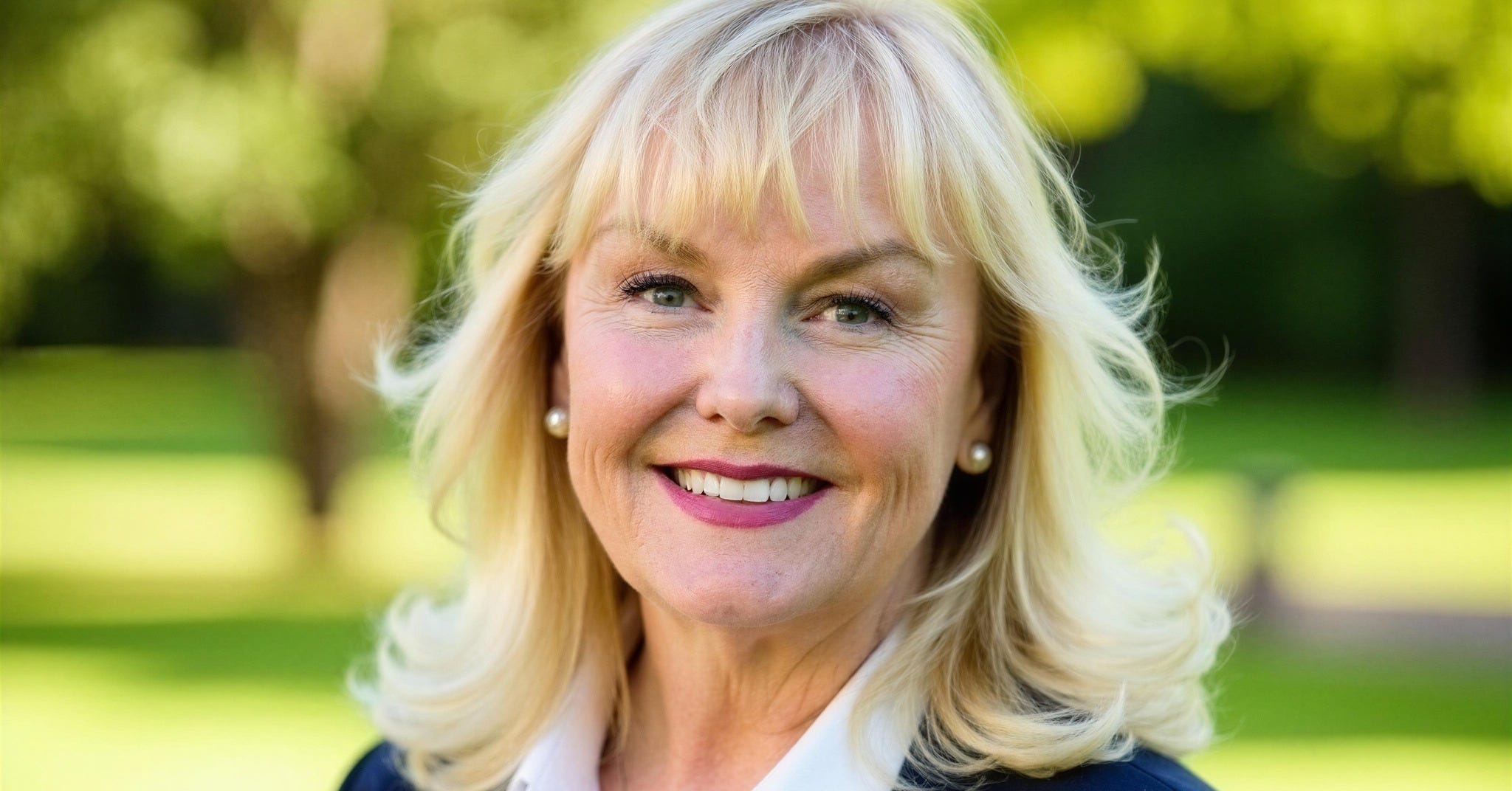
BEXTE: BC Conservatives need Kerry-Lynne Findlay
Keean Bexte writes, "The party needs a leader capable of imposing seriousness on a coalition close enough to power to become dangerous to itself. Kerry-Lynne Findlay is that candidate."
This is the personal opinion of Keean Bexte
Tomorrow, BC Conservative Party members will begin casting ballots for the next leader, with the result set to be announced at the May 30 convention in Vancouver. Their choice will determine whether the BC Conservatives become a disciplined government-in-waiting or another coalition slowly collapsing under the weight of its own contradictions.
British Columbia already feels unsteady.
Housing costs spiral higher while families wonder whether their children will ever own a home. Emergency rooms close without warning. Violent crime rises while public confidence falls. Deficits expand, major projects stall, and even the most basic assumptions about property and public order feel less secure than they once did. Recent polling reflects that erosion of confidence, with Leger placing the NDP at 44 percent and the BC Conservatives at 40 percent among decided voters while a majority of British Columbians say the province is on the wrong track.
In moments like this, a B.C. does not need another performer. It needs structure. It needs discipline. It needs a conservative.
Kerry-Lynne Findlay is that candidate.
Her résumé is easy to cite and difficult to dismiss. She served as Minister of National Revenue, Associate Minister of National Defence, Parliamentary Secretary to the Minister of Justice, and Chief Opposition Whip. These are not ceremonial titles handed out to friendly backbenchers. They are roles given to people trusted to operate inside institutions where mistakes carry consequences.
Her critics describe her as too moderate. Some have gone so far as to call her “the most left-wing member of Stephen Harper’s cabinet.”
For months, I accepted versions of that criticism because it was repeated so confidently by people I trusted (mostly coming from people on Caroline Elliott’s campaign, who don’t live in BC).
Then I watched her at the Juno News BC Conservative leadership debate.
In person, Findlay stands out like a Canadian Margaret Thatcher. Not because of some artificial attempt to imitate Thatcher’s mannerisms, but because she carried the same sense of rigidity that defined Thatcher at her political height. She spoke like someone accustomed to institutions where indecision carries a cost. No theatrical warmth. No endless hedging. No synthetic authenticity calibrated for social media clips. She projected the impatience of someone who wanted to get on with the work.
That matters more than many conservatives realize.


Margaret Thatcher rose to power during a Britain exhausted by managed decline. By the late 1970s, the British state looked increasingly incapable of performing its most basic functions. Strikes paralyzed the country. Public confidence collapsed. Consensus politics had softened every hard edge until the government itself began to feel hollowed out.
Thatcher understood something modern conservative parties often forget: a movement wins power when it is capable of saying “no.”
That was the moment Findlay separated herself from the field.
During the first debate, moderators asked the candidates whether permanent residents who are not Canadian citizens should be allowed to vote in party leadership races.
The safe answer was obvious. Blur the distinction. Soften the edges. Retreat into procedural language about inclusion and openness.
The men on stage drifted toward that instinct.
Findlay did not.
She answered no.
That answer matters far more than another rehearsed promise about taxes, pipelines, or crime policy because it revealed something deeper about how she understands politics itself.
Citizenship cannot survive as a symbolic category alone.
Democracy begins long before election day. It begins at nomination meetings. It begins at leadership conventions. It begins the moment a political party decides who is permitted to shape its future. Once citizenship becomes merely administrative, national identity itself begins to soften into abstraction.
Alberta conservatives already understand this. A governance resolution debated at the UCP AGM in 2025 proposed restricting voting membership rights to Canadian citizens precisely to reduce the risk of external influence over leadership races and party direction. The principle behind it was simple: the people determining the future of Canada’s political institutions should belong to the Canadian political community.
That should not be controversial.
The same instinct toward solidity runs through Findlay’s approach to property rights.
Long before this leadership race, Findlay lived through the Musqueam leasehold dispute, where homeowners watched the value and security of their homes deteriorate amid uncertainty, litigation, and political ambiguity. For most families, property rights are not an abstract ideological debate. They are retirement plans. Inheritances. Thirty years of mortgage payments. The belief that the ground beneath your feet will still belong to you tomorrow.
That history matters even more after the Cowichan decision, which has intensified debate around the relationship between Aboriginal title and fee-simple ownership in British Columbia. The province itself has warned about potentially significant consequences for private property rights as the case moves through appeals.
Findlay is not discovering these questions through briefing notes assembled by staffers. She understands what prolonged uncertainty does to ordinary people because she has watched families live through it at kitchen-table level.
British Columbia does not need another politician explaining decline in softer language. It does not need another carefully managed consensus designed to offend nobody while public confidence continues to erode around it.
It needs a government capable of drawing hard lines in an era where nearly every institution seems afraid to draw any at all.
The BC Conservatives are now close enough to power that personality flaws and ideological confusion carry real consequences. The next leader must hold together a caucus already prone to fracture while resisting the temptation to dilute conservatism into another vague managerial brand indistinguishable from the politics British Columbians are trying to escape.
Findlay has the governing experience, the institutional discipline, the property-rights instincts, and the civic confidence required for that task.
More importantly, she still speaks like someone who believes citizenship is real, governance is real, and political leadership requires more than managing decline with better messaging.
For that reason, Kerry-Lynne Findlay has my endorsement.
Yes Keean you hit the nail on the head, Kerry Lynne is without a doubt the right person to lead the conservative party, it is definitely in need of a leader able to stand up and tell it like it is without the fear of offending others, and willing and to do what needs to be done to hopefully get in a position to lead this province out of the mess the present government has created!
Rob the Rebel
I haven’t been following the B.C. conservative leaders race. But I agree with the author of this article. In my opinion, conservatives are consistently trying to ride the fence when we all should know that that does not work. Instead of building strength and unity, they end up being a political failure.