

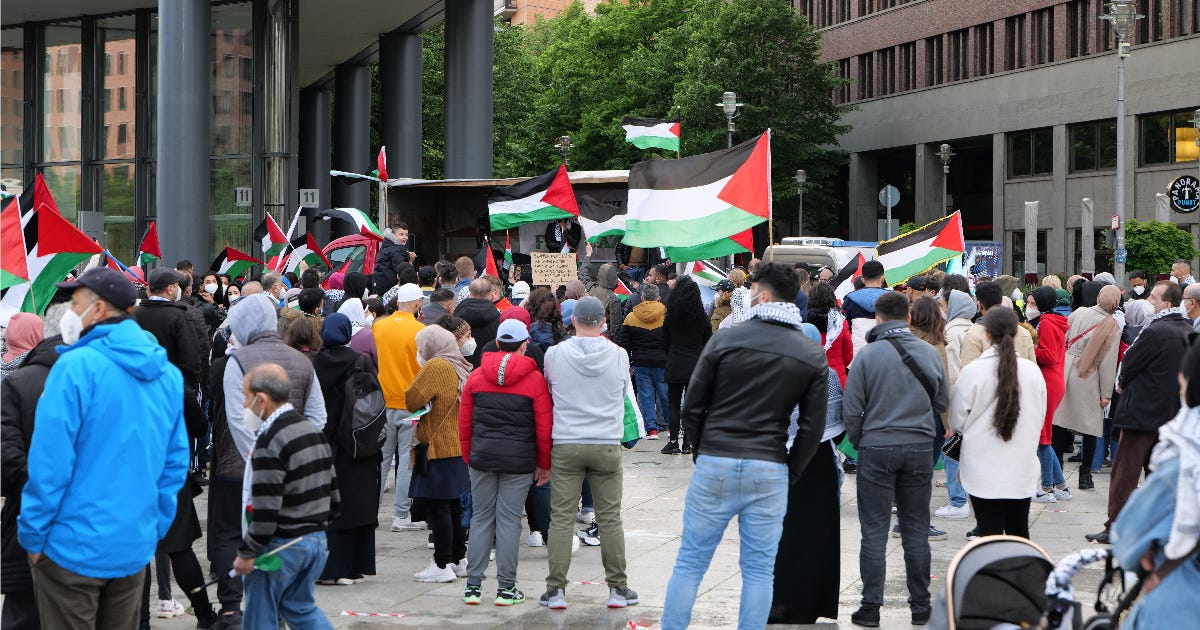
Nine Toronto District School Board trustee candidates oppose the International Holocaust Remembrance Alliance’s definition of antisemitism, according to survey responses published by Toronto Palestinian Families ahead of the October 26 municipal election in Ontario.
Ten of the seventeen respondents also support an anti-Palestinian racism strategy or accelerated work on anti-Palestinian racism.
The survey reveals how Toronto Palestinian Families is pushing school board trustee candidates to reject IHRA and resist complaints about pro-Palestinian activism in schools.


Seven candidates selected an answer rejecting IHRA because of its alleged “weaponization against Palestinian rights.” These include Matias De Dovitiis, Tim Ellis, Fatin Ishraq, Andrene Gregory, Shaffni Nalir, Ahnaaf Hassan, and Karen Emerson.
Andrew Massey and Sarah Smithies also said they oppose IHRA.
The International Holocaust Remembrance Alliance’s definition of antisemitism is a non-binding framework used to identify hatred and discrimination against Jewish people.
According to the definition, antisemitism includes holding Jews collectively responsible while explicitly excluding criticism of Israel that is comparable to criticism of any other country.
By contrast, the Arab Canadian Lawyers Association’s definition of anti-Palestinian racism supplied to candidates says that conduct that “silences, excludes, erases, stereotypes, defames or dehumanizes Palestinians or their narratives” is a form of hate.
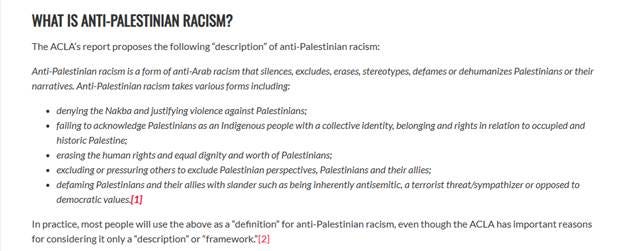
The inclusion of “Palestinian narratives” opens the door to silencing disagreement with political or historical claims being treated as hate — the very thing that those who oppose IHRA claim is unacceptable.
Canadian federal funding behind APR materials has led to a U.S. congressional investigation into antisemitism in schools, with U.S. education advocates warning that the framework is fuelling anti-Israel activism in American classrooms.


Toronto Palestinian Families’ questionnaire is forward with its bias.
One question asks how candidates would address the “ongoing genocide in Gaza.”
Another describes “well-funded external advocacy groups” pressuring boards to cancel Palestine-related events or restrict expression about the war in Gaza.
The group considers trustees on side if they show support for Palestinian students without “caving to external pressure campaigns.”
Ellis endorsed classroom discussion of what he described as Israel’s “ongoing illegal occupations, war crimes, and genocidal actions.”
Ishraq declared a commitment to “Palestinian liberation” and anticipated organized pressure against that position.
Ishraq also questioned proposed restrictions on younger students attending protests, arguing that voluntary, age-appropriate participation could support learning.
Nalir said “the alphabet organizations” were allegedly responsible for children being “beaten and bullied” over wearing the keffiyeh. He said they would “not have an ear or an ounce of my attention (in sha Allah).”
Trustee candidates that supported human rights for all were marked down by Toronto Palestinian Families.
Alexis Dawson said she supported multiple perspectives and critical inquiry and that “work on anti-Palestinian racism” should be “accelerated.” For that, Toronto Palestinian Families rated her “Mixed” on the basis that her answer did not elevate Palestinian students or name genocide.
Curtis Jack and Abdul Azeem Mohammed were rated “Opposed” after supporting all students with existing human rights policies.
Juno News reached out to Toronto Palestinian Families for comment but did not receive a response.


