

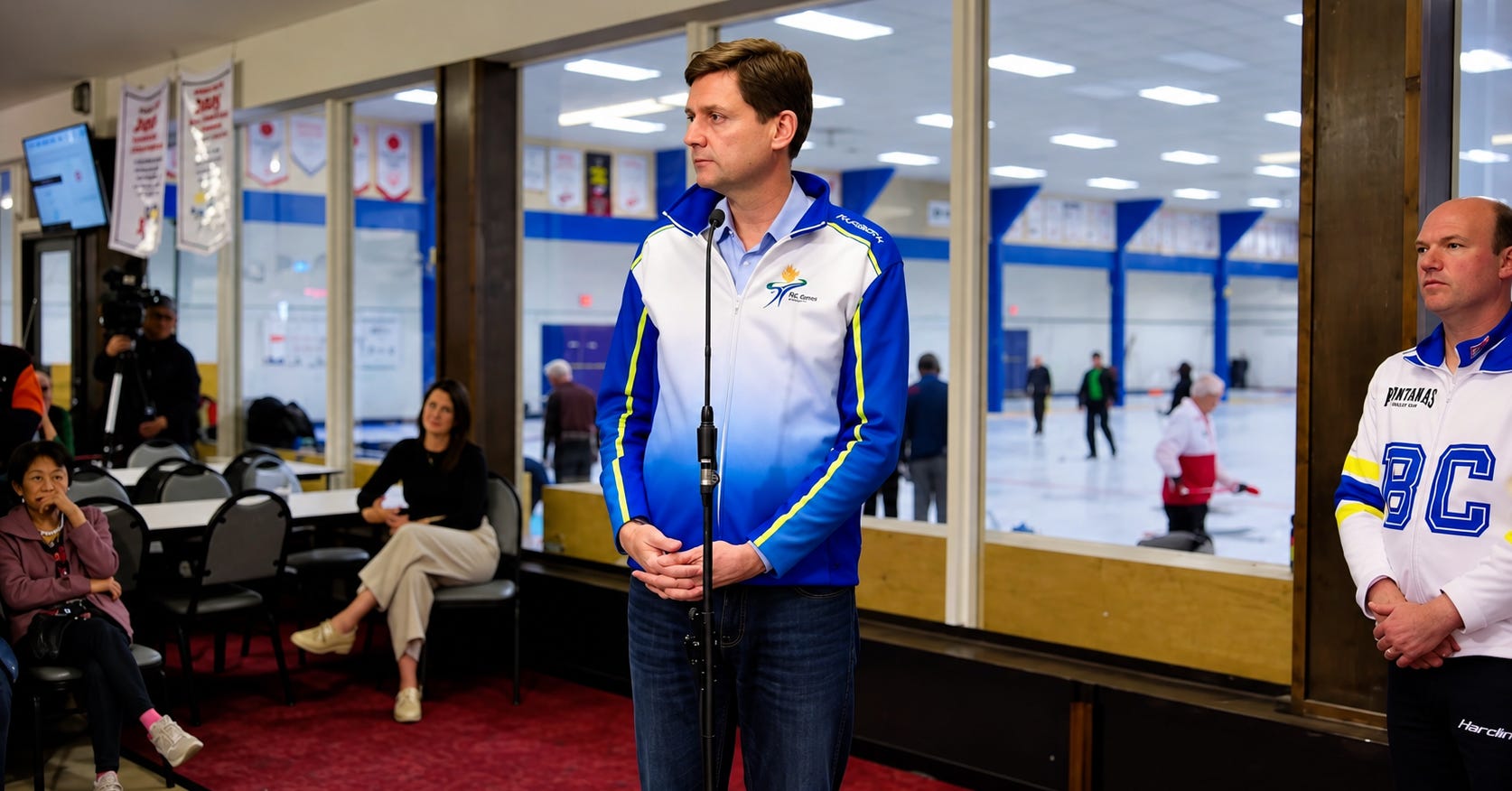
The Canadian Taxpayers Federation is calling on B.C. NDP Leader David Eby to scrap proposed income tax hikes it says would hit doctors, professionals and entrepreneurs.
If re-elected, the NDP would raise B.C.’s provincial tax rate on taxable income between $190,405 and $265,545 from 16.8 to 18.8 per cent and the rate between $265,545 and $1 million from 20.5 to 22.5 per cent.
Income above $1 million would face a new 24.5 per cent rate. The increases would apply only to income within each bracket.

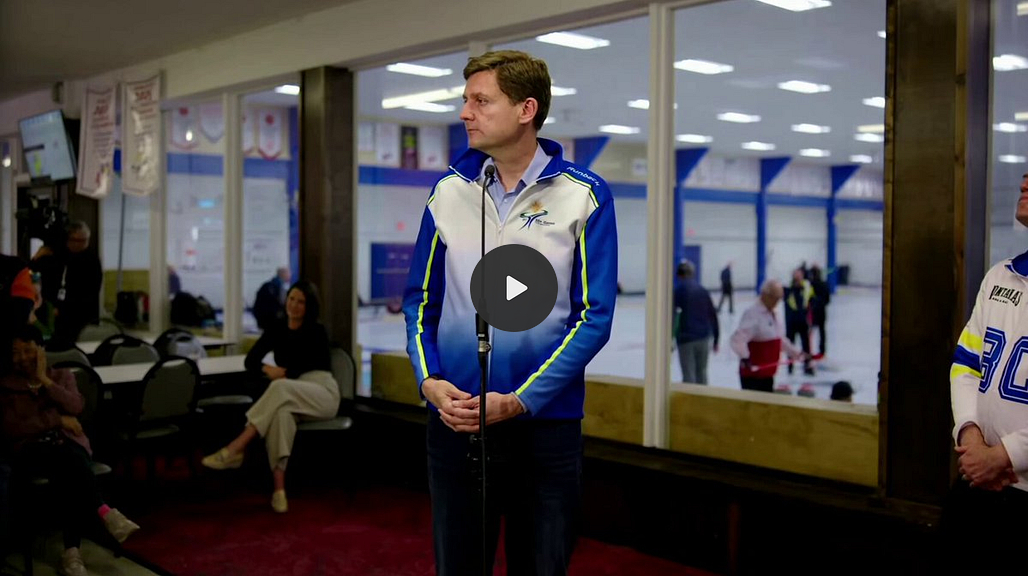
The NDP has framed the proposal as asking the “wealthiest to chip in a little more,” saying more than 96 per cent of residents would pay no additional tax.
“When people are struggling, we think that it’s fair to ask those at the top to pitch in a bit more so we can make it possible for everyone to get ahead,” Eby said Sunday.
But the CTF noted National Bank estimates a household needs about $265,618 in income to qualify for a mortgage on a representative Greater Vancouver home — roughly the same dollar figure at which Eby’s proposed 22.5 per cent individual tax bracket begins.
Mortgage qualification is based on household income, however, while income tax brackets apply to individuals.
“B.C. needs smart entrepreneurs to move to the province to create jobs and generate wealth, so this huge tax hike targeting and punishing those folks is exactly the wrong way to go,” said CTF B.C. Director Kris Sims on Monday.
“With this tax hike, Eby might as well stand on top of the North Shore Mountains with a megaphone and yell ‘go away!’ [to] everyone who wants to start businesses, create jobs or perform surgeries in B.C.”

Doctors have become a particular flashpoint in the debate.
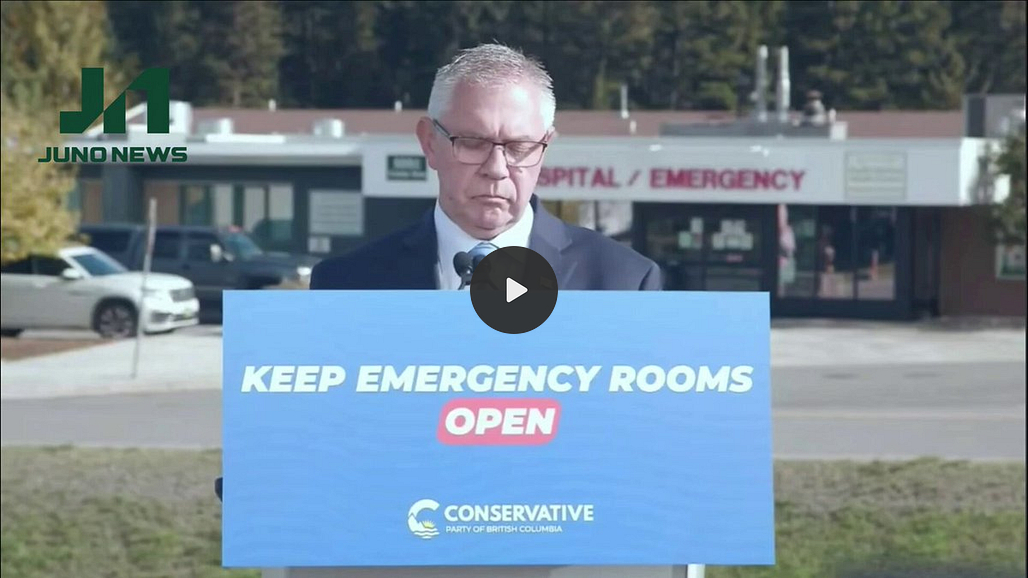
B.C. Conservative Leader Lorne Doerkson warned Monday that the increases could hurt physician recruitment.
“This tax seems to be levied right at this group of people,” Doerkson said. “Frankly, I feel that it may even drive doctors from our province.”
Eby rejected that argument Monday, saying U.S. doctors moving to B.C. “don’t tell me that they are concerned about taxes.”
“They say to me, ‘I’m so relieved to be in a jurisdiction where there’s public health care.’”
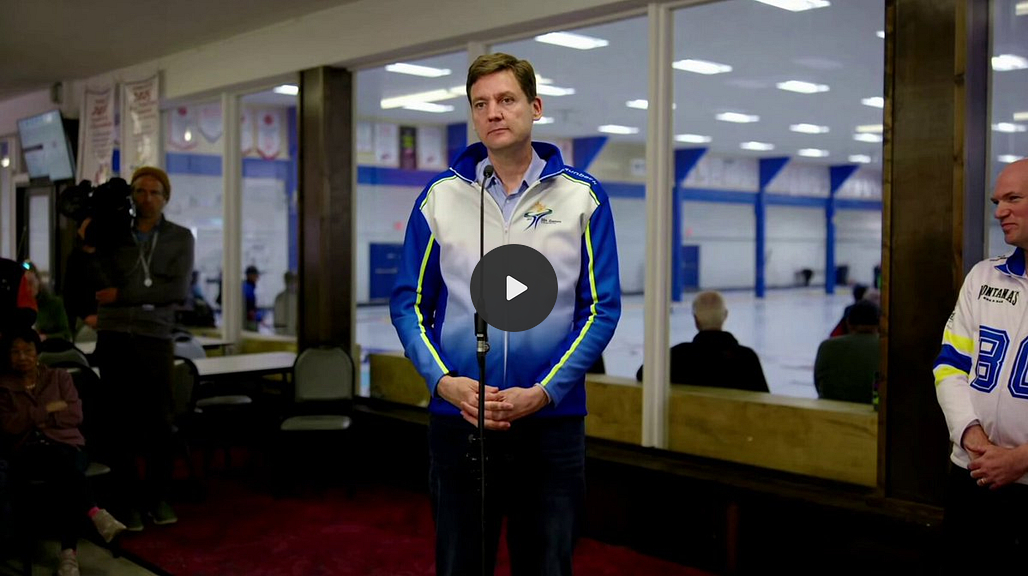
The NDP says an average full-time family physician with $385,000 in annual compensation would pay $3,891 more in provincial tax but receive an estimated $11,550 compensation increase next year under a recently negotiated physician agreement.
The dispute also comes amid broader questions about B.C.’s ability to compete for high-income workers.
A 2026 working paper examining provincial tax changes found taxes can influence where some high earners live, with the strongest migration response among young, unmarried high earners. Effects among older and married high earners were generally smaller.
Statistics Canada figures show Vancouver lost a net 4,656 residents to other provinces between July 2024 and July 2025, while Edmonton gained 11,742 and Calgary gained 11,195.
The figures do not establish taxes as the cause. Housing costs, jobs, wages and other factors also influence migration.


University of Calgary economist Trevor Tombe warned Sunday that Eby’s proposal would have significant implications for B.C.’s tax competitiveness.
“This would raise BC to the highest income tax rate since 1981 and make the province (by a decent margin) the highest tax rate jurisdiction in Canada,” Tombe said. “The gap with Alberta would be back at 1990s levels.”
The NDP counters that B.C. would still have the second-lowest provincial income tax burden among provinces at $250,000 of income and the third-lowest at $400,000.
B.C.’s current combined federal-provincial top marginal income tax rate is 53.5 per cent. Eby’s proposed four-percentage-point increase to B.C.’s top provincial rate would bring the combined statutory rate to 57.5 per cent, assuming the federal top rate remains unchanged.
A March 2026 Fraser Institute study ranked B.C.’s existing 53.5 per cent rate fourth-highest among 61 Canadian and U.S. jurisdictions examined. That comparison predates Eby’s proposed increase.
The increases would also follow Budget 2026, which raised B.C.’s lowest provincial income tax rate from 5.06 to 5.60 per cent and froze tax brackets at 2026 levels through 2030.
The NDP projects the new higher-income rates would raise $225 million in 2026-27, $925 million in 2027-28 and $1 billion in 2028-29 for healthcare and affordability measures.
The iron rule of politics: everything the Left touches turns to sh*t.