
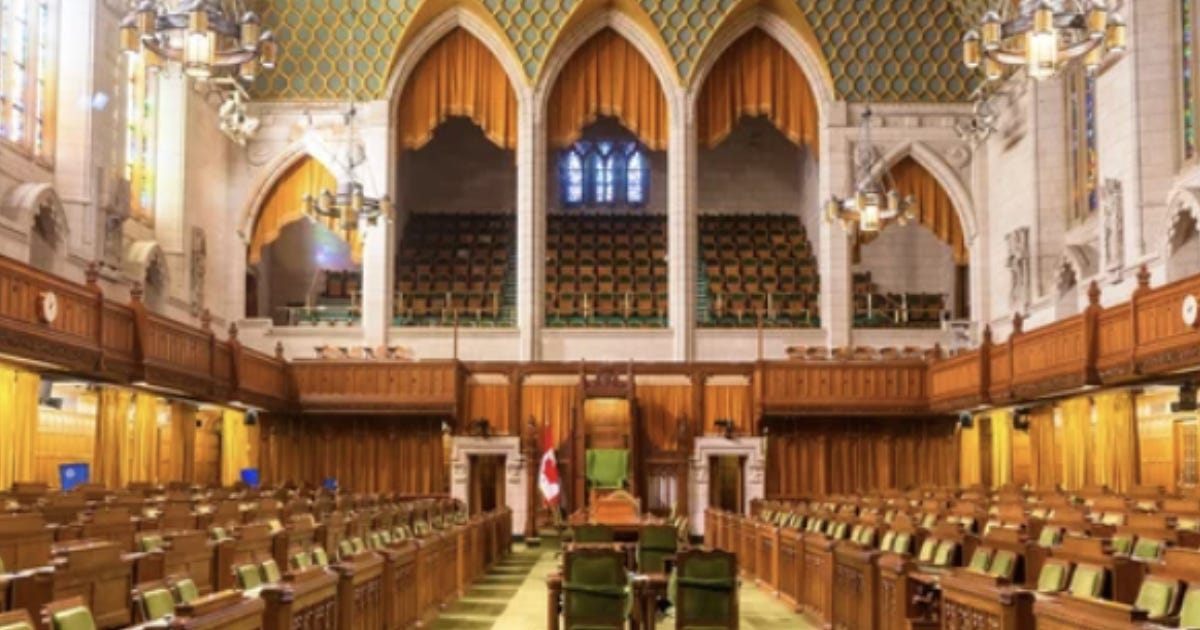
OP-ED: Altruism or repositioning? The moral question behind floor crossing
"If an elected official genuinely believes that changing sides serves the public interest, the clean and morally coherent act would be to return to voters and seek a renewed mandate."
Author: Dr. Dotan Rousso, legal scholar and Philosophy lecturer at SAIT
When an elected official crosses the floor, the language that immediately follows is predictable. We hear about unity, about national responsibility, about putting country before party. Sometimes we even hear the word sacrifice. The move is framed as moral elevation, as though the individual has transcended tribal loyalty for the greater good. But before applauding, we should ask a basic philosophical question: is this altruism, or is it moral language masking something else?
Altruism, if the word means anything, requires cost. It requires acting for the benefit of others while accepting personal loss, risk, or disadvantage. It is not a slogan. It is not a press release. It is not a new title accompanied by applause. In our discussion on group responsibility and moral accountability, one thing became clear: we are very quick to attribute virtue when someone appears to detach from a group we dislike, and very quick to attribute guilt when someone remains within it. That instinct is psychologically comfortable. It simplifies the world. But it does not survive serious scrutiny.
An elected representative is not simply a private moral agent. He operates inside a structure of influence. He was elected under a defined political banner. That banner was not incidental. Voters chose a person embedded in a party because party alignment determines legislative direction and government stability. When that representative crosses the floor, especially in a Parliament where one seat shifts the balance of power, the move is not symbolic. It has structural consequences. It strengthens one governing coalition and weakens another. That is not abstract conscience. That is institutional impact.
If this is altruism, then where is the cost? What was surrendered? Influence? Position? Authority? Or did the move increase leverage, increase proximity to power, and increase relevance? Altruism without sacrifice is simply repositioning. And repositioning wrapped in moral language is performative morality, the same phenomenon we see in celebrity activism and social media politics. It is very easy to declare that one is acting for the greater good. It is much harder to accept genuine risk in doing so.
There is also a deeper inconsistency here. In many contexts today, we are told that individuals bear responsibility for the groups they belong to. We hear that benefiting from a system creates moral obligation. We are told that silence equals complicity. Yet when a political actor shifts allegiance in a way that materially benefits a governing structure, we suddenly dissolve the structural analysis and focus only on personal conscience. That is selective morality. If influence matters, then it matters here. If benefiting from a structure creates responsibility, then it applies here as well.
The real issue is this: does moral seriousness require accountability to those who granted you power? If an elected official genuinely believes that changing sides serves the public interest, the clean and morally coherent act would be to return to voters and seek a renewed mandate under the new alignment. That would involve risk. That would test whether the claimed altruism is shared by those represented. Without that step, the appeal to sacrifice sounds hollow.
We should be careful with moral vocabulary. Words like unity and responsibility are powerful. They shape perception. But they do not automatically transform a strategic move into an altruistic one. Moral elevation is not achieved by declaring it. It is achieved by paying a price.
If we are serious about altruism, then we must distinguish between acting for others at personal cost and acting in ways that conveniently align moral rhetoric with expanded influence. Otherwise, we are not analyzing morality. We are consuming it.
For a deeper philosophical discussion on the meaning of altruism and moral sacrifice, see my recent podcast conversation:


"If an elected official genuinely believes that changing sides serves the public interest, the clean and morally coherent act would be to return to voters and seek a renewed mandate."
...THAT SIMPLE..
While it would never happen under the corrupt governance that is Lieberal the above must, at some point and with another more competent Government become the law.
What to jump ship???
Go back to those you betrayed and make your case in front of those you where a traitor to and be judged.
When you elect an MP without principles then you can’t be surprised when they act in an unprincipled way. For years, the Conservative Party has been pursuing the same voters as the Liberals, with nearly identical policies based on polling and the perceptions of political advisors rather than on principled conservative ideas. For example, the Conservatives in parliament unanimously voted with the Liberals on their ban of conversion therapy. The party has also consistently supported supply management even while blaming the Liberals for high food prices. These are the sorts of things that keep me backing the People’s Party.