

N.S. restocks liquor stores with U.S. booze, donating profits to charity
Nova Scotia’s government liquor stores are briefly bringing back U.S. alcohol for the holidays, but only to direct all profits to charity.
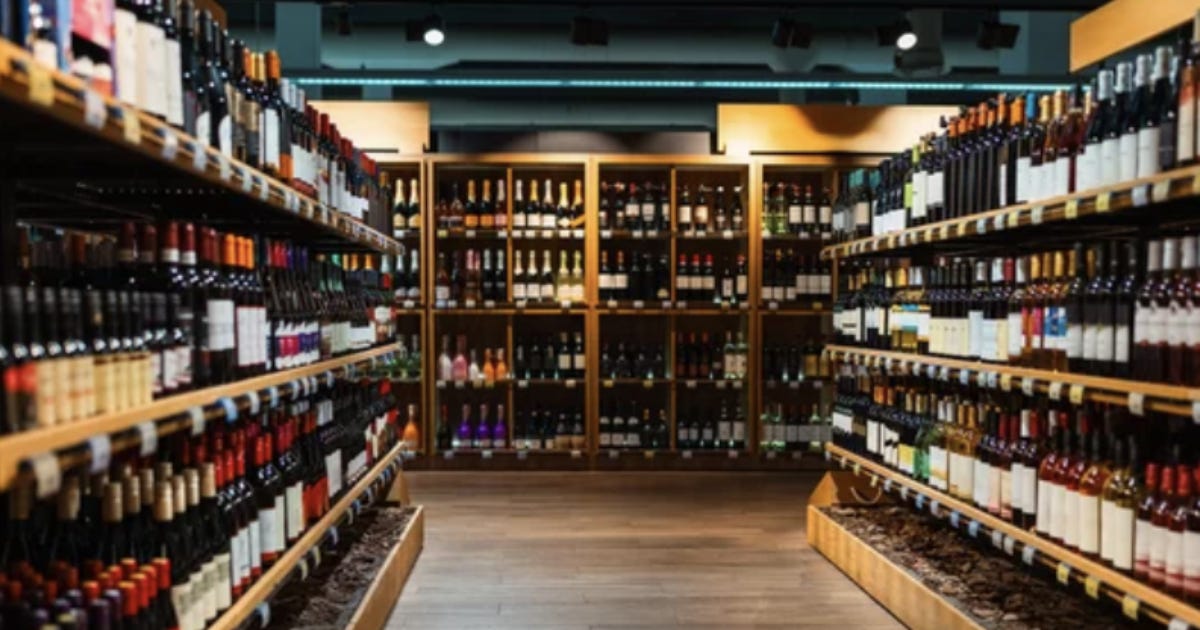
Nova Scotia’s government liquor stores are briefly bringing back U.S. alcohol for the holidays, but only to direct all profits to charity.
The province has about $14 million worth of inventory, consisting mostly of wines and spirits, which are now available at all Nova Scotia Liquor Corp. (NSLC) locations across the province.

The government estimated it will take several months to sell off all of its inventory.
“We remain committed to a Team Canada approach to tariffs and trade. We will not be ordering any more from the United States once this inventory is gone,” said Premier Tim Houston in a statement.
“But Nova Scotians have already paid for this product. We don’t want it to go to waste. That’s why we’re selling it and using the proceeds to help those in need.”
The provincial government will give about $4 million over the coming weeks to Feed Nova Scotia and groups that provide community food access. This amount accounts for the estimated earnings from the sale of U.S. products after expenses.
American liquor was initially pulled from NSLC stores in the spring in response to tariff threats from U.S. President Donald Trump.
NSLC spokesperson Terah McKinnon said since its return, stores are seeing a high volume of sales.
“It was a much busier Monday than we typically have,” said McKinnon in an interview.
Among the top-selling U.S. brands thus far have been Maker’s Mark, a popular Kentucky bourbon, followed by Bulleit Bourbon, also from Kentucky.

“I think shoppers are pleased to see these options back on the shelf. As well, I think many people are pleased about where the profits are going,” said McKinnon.
Roughly 600,000 total units of various alcohol products were removed from NSLC in March. Since then, sales of Nova Scotia-made products rose by 13.4 per cent to $44.1 million.
Meanwhile, certain provinces and territories, including New Brunswick, British Columbia and the Yukon, have already sold their remaining U.S. alcohol.
I think the liquor board needs to go to hell and stay there with the dairy board , the cbc , health Canada and the FIA to name a few
What a good idea NS.
Too bad that good ideas are something so very foreign to Doug Fraud he wouldn't know one if it bit him in his rather large posterior.
However...
At what point will OntArWeOwe and Canada for that matter exit the dark ages of dinosaurs like their "Control Board" stores.
God forbid Government's should let consumers decide.
Something entirely foreign to basically most (perhaps all) Governments at all levels in what used to be Canada.