

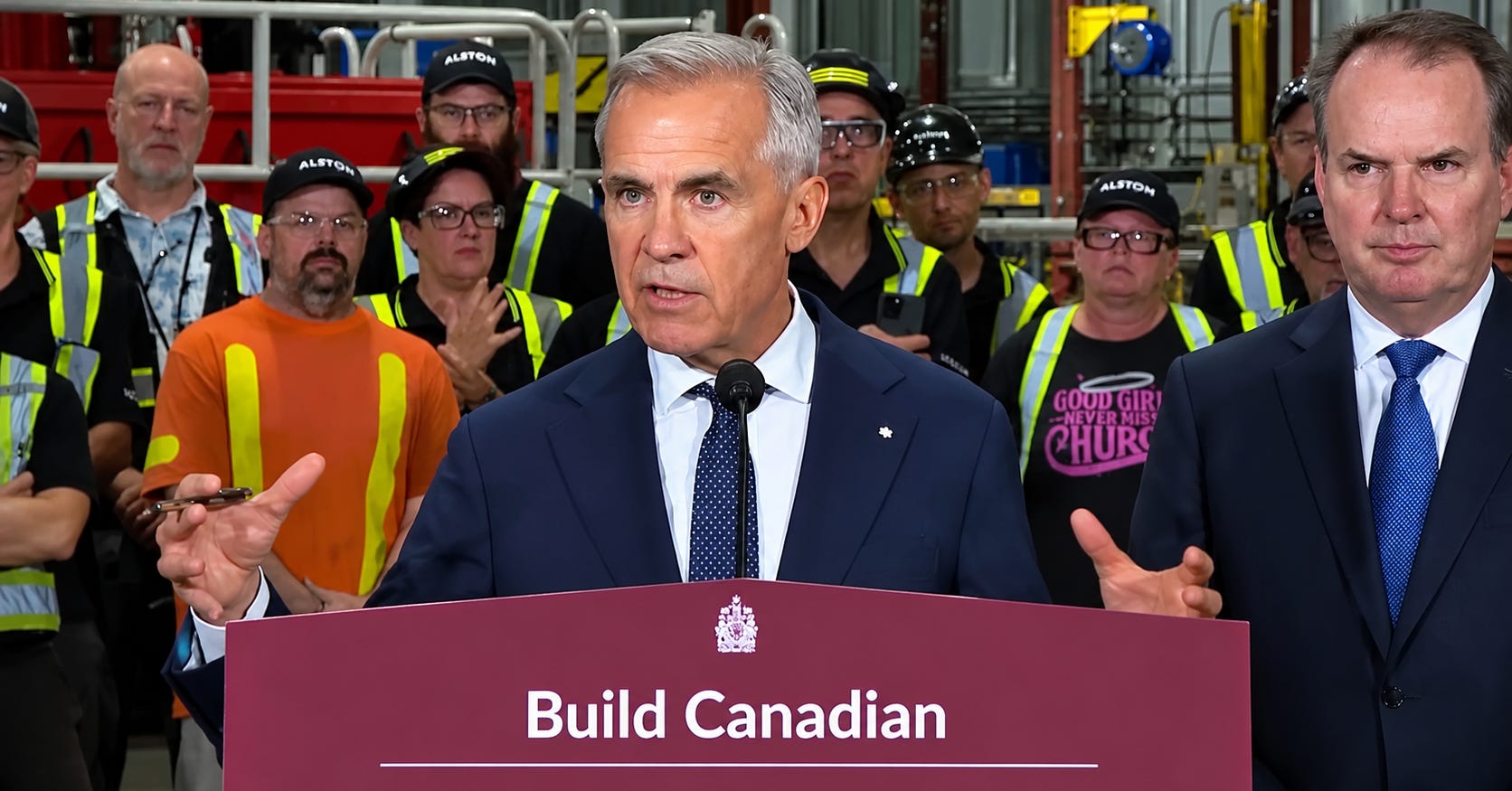
PM Carney’s signature high-speed rail project could cost as much as $113 billion to construct, according to a new Parliamentary Budget Officer analysis, which blows past Ottawa’s preliminary estimates.
The PBO estimates the Toronto-to-Quebec City Alto network will cost between $75 billion and $113 billion, compared with Ottawa’s $60 to $90 billion range.
That puts the watchdog’s upper estimate $23 billion — or 25.6% — above the government’s.
And the price tag could climb further.

The PBO’s baseline estimate does not include a potential route change through Kingston, Ont. The watchdog warned that adding Kingston, along with additional tunnels or overpasses, could significantly increase costs.
About 15 kilometres of tunnelling could already be required to connect Laval and Montreal.
The roughly 1,000-kilometre electrified railway would connect Toronto and Quebec City with trains travelling at speeds of up to 300 kilometres per hour.
Unveiled by Justin Trudeau in 2025, Alto was later referred to Carney’s Major Projects Office. Construction is slated for 2029, funded primarily by Ottawa alongside private investment.
The higher estimate comes before a single kilometre of track has been built.
Alto has already spent $265.9 million of its $4.3-billion development budget, with construction still years away.


Questions about the project’s price tag had surfaced even before the PBO report.
Government records put Ottawa’s estimate at roughly $83 million per kilometre, compared with $237 million across four international high-speed rail projects examined by Alto.
Alto CEO Martin Imbleau also acknowledged the uncertainty when senators pressed him about the estimate last February 24.
“It’s very difficult,” Imbleau said, explaining that a firmer price tag would require a planned route and more detailed engineering information.
The PBO cautioned that significant uncertainty remains because the final route has not been released and portions could cross costly Canadian Shield terrain and dense urban areas.
The watchdog also poured cold water on expectations of a major short-term economic windfall.
Its analysis of the Ottawa–Montreal segment found each dollar spent on construction would generate about 80 cents in GDP during the first year, rising to roughly 90 cents by year five.
Construction would support an estimated 4,300 jobs in the first year, rising to about 9,000 by the fifth.
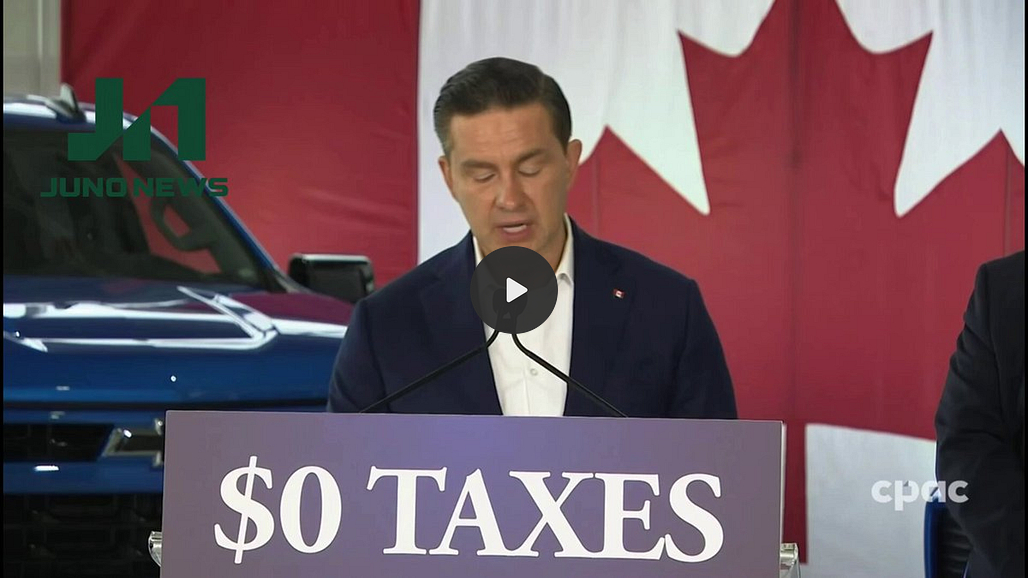
The Canadian Taxpayers Federation seized on the higher cost estimate to call for the project to be scrapped.
“The government doesn’t have enough spare cash to buy a model train, let alone a train that could cost more than $100 billion,” federal director Franco Terrazzano said.
Conservative transport critic Dan Albas also said his party would cancel Alto over its price tag.
“Canadians are out of money,” Albas said.
Transport Minister Steven MacKinnon’s office said Ottawa would review the PBO report and called Alto a “generational” project, but did not directly address the watchdog’s higher estimate.


The financial uncertainty extends beyond construction.
Alto expects to eventually cover operating costs but hasn’t said when. The PBO notes “many, if not most” high-speed rail systems worldwide are not operationally profitable.
A 2026 McGill University study projected 18.4 million annual riders by 2055, compared with Alto’s forecast of 24 million, and estimated the railway could require $1.97 billion in public subsidies that year.
The PBO estimate excludes financing costs from higher taxes, spending cuts or deficits, as well as potential long-term productivity gains.
But the watchdog warned the bigger risk is an even higher price tag.
“We judge that the risk is more likely that the project will go over budget rather than under.”