

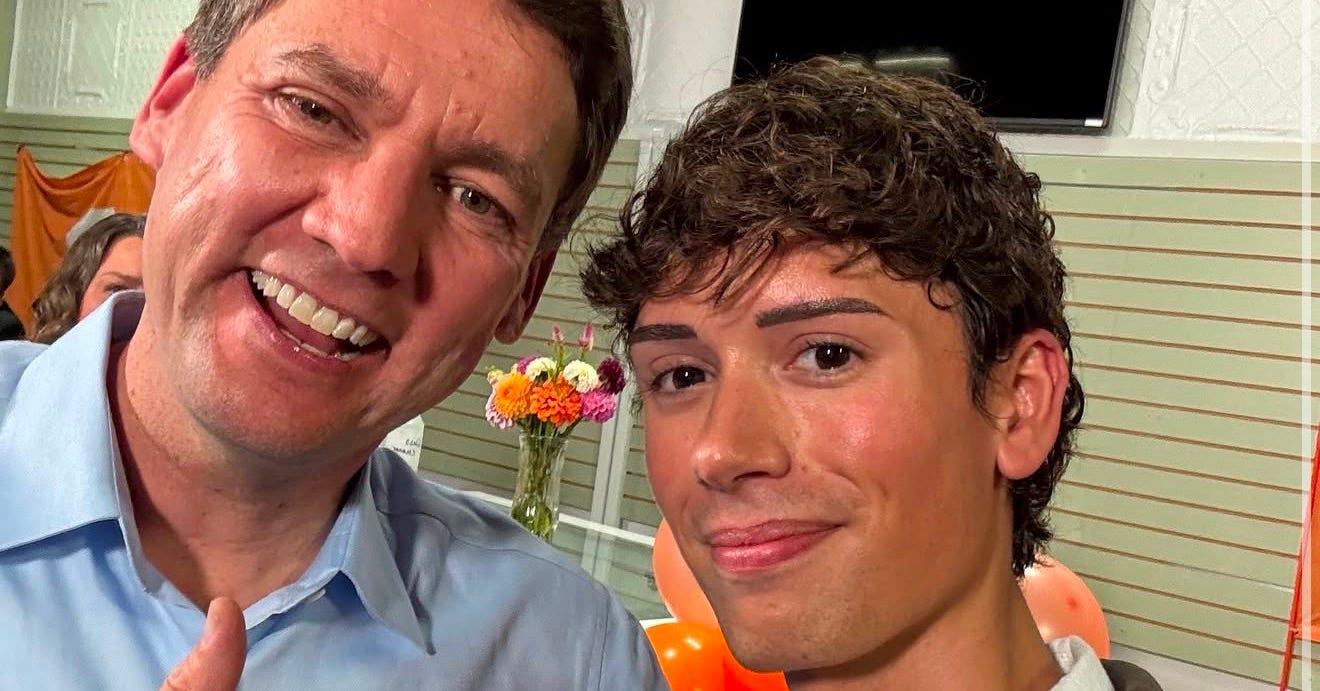
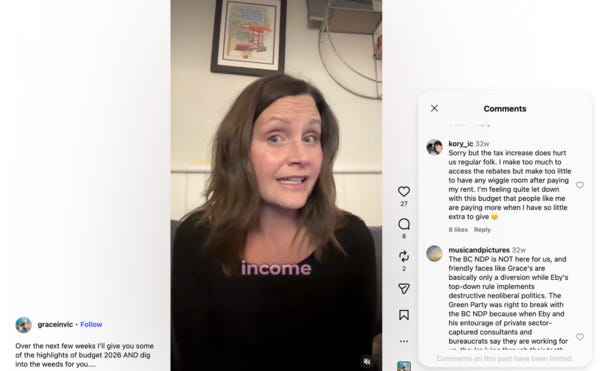
Kory Clark, now the B.C. NDP candidate for Kamloops–North Thompson, criticized his own party’s 2026 budget for raising income taxes on ordinary British Columbians.
“Sorry but the tax increase does hurt us regular folk,” Clark wrote to fellow NDP candidate Grace Lore on February 18.
“I make too much to access the rebates but make too little to have any wiggle room after paying my rent. I’m feeling quite let down with this budget that people like me are paying more when I have so little extra to give.”
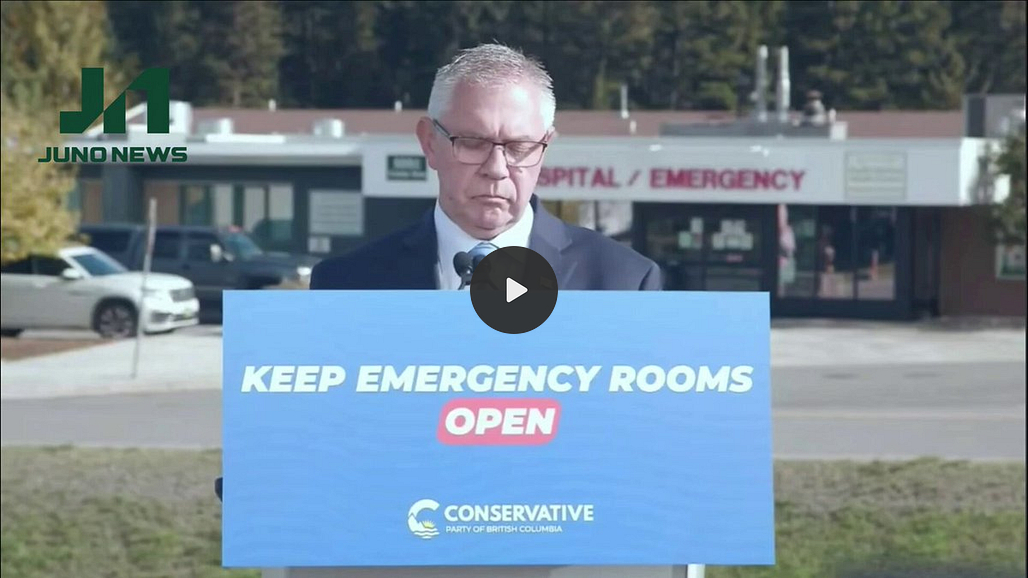
B.C. Conservative Leader Lorne Doerkson responded to the remarks.
“When Eby’s own candidates are fed up with his skyrocketing taxes, is there anyone other than Eby left to defend them?” Doerkson asked.
“British Columbians are already struggling with the cost of housing, groceries and everyday life. Eby’s answer is to reach even deeper into their pockets.”
Clark’s criticism came one day after Budget 2026 increased B.C.’s lowest provincial income tax rate from 5.06 to 5.60 per cent.
The government estimated the increase would cost the average taxpayer another $76 annually, although more than 40 per cent were supposedly projected to save money through an expanded tax reduction credit.
Budget 2026 increased the maximum B.C. tax reduction credit from $575 to $690, with benefits beginning to phase out above $25,570 in net income and disappearing at approximately $44,952.

Clark’s complaint highlighted the gap between qualifying for government relief and having enough disposable income to cover expenses such as rent.
However, he did not specify which rebates she meant, making it unclear whether the expanded credit would have addressed her concerns.
The budget also froze inflation adjustments to income tax brackets and most non-refundable credits from 2027 through 2030, potentially increasing tax bills as wages rise.

Clark’s remarks preceded Eby’s latest election proposal to raise provincial income tax rates by two percentage points on taxable income between $190,405 and $1 million, with a new 24.5 per cent rate above $1 million.
The NDP says more than 96 per cent of British Columbians would pay no additional tax, while the increases would eventually generate $1 billion annually for healthcare and affordability measures.
“When people are struggling, we think that it’s fair to ask those at the top to pitch in a bit more,” Eby said Sunday.
B.C.’s combined top marginal tax rate would rise from 53.5 to 57.5 per cent, assuming federal rates remain unchanged. The NDP maintains the province would remain among the lowest in provincial income tax burdens at $250,000 and $400,000 in taxable income.

The controversy also revives Eby’s 2024 election promise of up to $1,000 in annual household tax relief, initially through rebates before transitioning to a permanent tax cut.
His government subsequently abandoned the immediate rebate before introducing its first post-election budget.
“David Eby promised a $1,000 tax cut to get elected, then broke that promise almost immediately,” Doerkson said.
“After nine years of the BC NDP, British Columbians don’t need another tax increase,” he added, pledging that the Conservatives would cut taxes and introduce no new ones.
Juno News reached out to Clark to clarify his position but did not receive a response before publication.