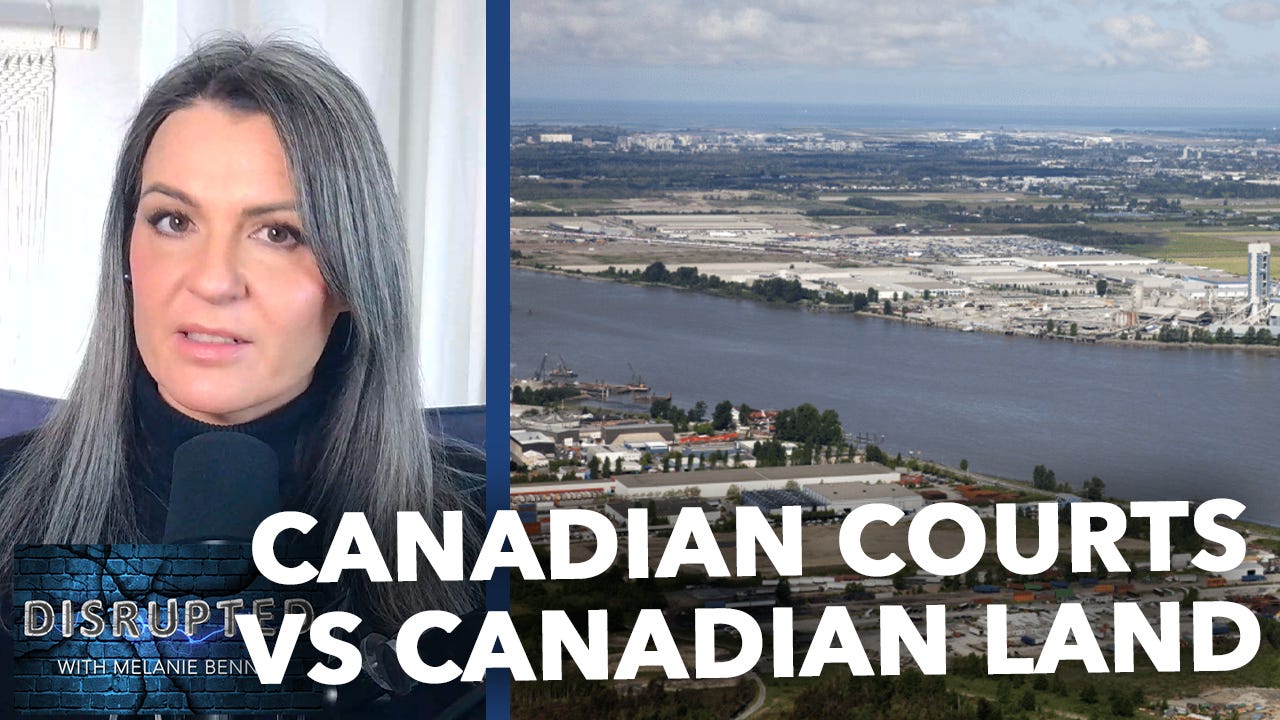
Are Indigenous rights creating two-tier justice in Canada?
Can Canada’s courts remain neutral on property rights? Author and lawyer Donald Best argues they aren’t.
This week, I ask Best how Section 35 of the Constitution has created a two-tier legal system in the name of Indigenous reconciliation. From hearsay exceptions to courtroom ceremonies, the legal system is increasingly bending toward Indigenous favoritism with serious implications for property rights, equality under the law, and democratic trust.
Can this be fixed? Or is repeal the only way forward? All this and more on this week’s episode of Disrupted.


Good Job Melanie.
The problem though is that at this time it appears that regular Canadians no longer have any rights at all and the Indigenous types get everything they want.
One hell of a way to run a country about to be flushed down the toilet courtesy of incompetent Politicians and Activist Judges.
What a shame.
What a very great shame.
A once wonderful and respected country flushed down the toilet because of political correctness, woke-joke politicians and just plain incompetence.
As a former news reporter, I mainly covered violent crime cases in the courts. There was always a Court-hired indigenous legal worker on every case, advocating for anyone who was even mildly indigenous, to help them get a lighter sentence.
One time, I had a chat with the worker related to the story I was working on, but I brought up a question to her… I asked her, “wouldn’t you rather us just get to the stage where we are all considered equal?”
She looked at me with surprise, as if I was a little bit stupid, and said, “why would I want that, and then have to pay property taxes?”
