

Author: Dotan Rousso
Three years after October 7, Canadians may reasonably ask what an attack that took place thousands of kilometres away has to do with us.
I believe the answer goes beyond Israel, Hamas, or even the Middle East, because October 7 raises a much broader question that every society eventually has to confront:
What holds people together when circumstances become difficult, frightening, or deeply divisive?
We live in an age that places enormous emphasis on individual rights and freedoms, and rightly so. These are extraordinary achievements that should never be taken for granted.
But a society is more than an arrangement designed to protect the interests of individuals. It is also built upon less tangible bonds: commitment; loyalty; solidarity; and, perhaps most importantly, a sense of belonging.
These bonds are difficult to measure, but when a society faces a crisis, their importance suddenly becomes unmistakable.
October 7 demonstrated what such belonging can look like under the most extreme circumstances.
When Israeli communities were attacked, thousands of people did not stop to ask whether helping was convenient or whether those in danger shared their political views.
Reservists left their families and returned to their units, civilians drove toward danger to rescue strangers, medical professionals rushed to hospitals, and Israelis living abroad boarded planes home. This happened after one of the most divisive years in Israel’s history, yet when the moment came, profound political disagreement did not erase the recognition that these were their people and that their fate mattered.
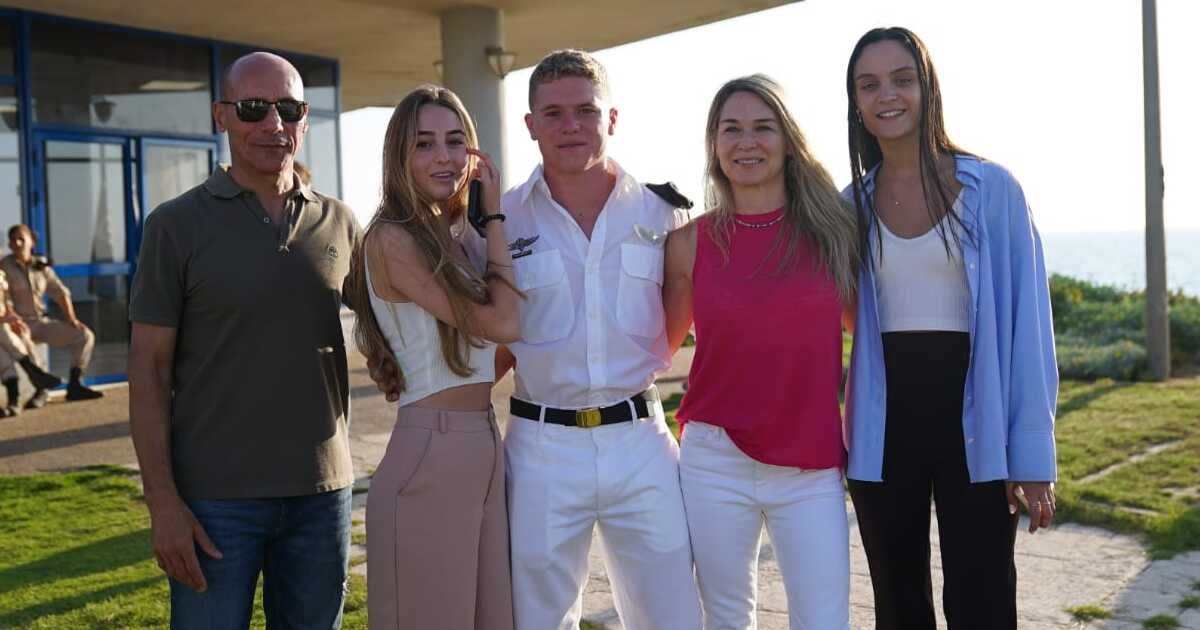
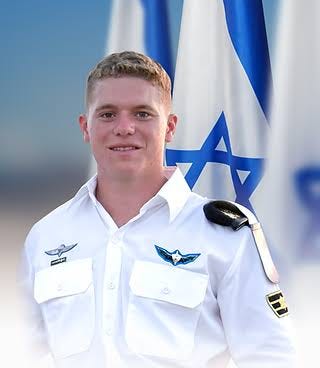
My nephew, Ofek Rousso, was among those who answered that call.
Ofek was 21, a combat medic in “Shayetet 13,” Israel’s naval commando unit. He fought at Kibbutz Be’eri, an Israeli village near the border with Gaza, helped rescue civilians, and treated the wounded.
In the early hours of October 8, after many hours of fighting, he ran under fire to reach a critically wounded officer and was killed on the spot. Ofek did not know that officer personally, but at that moment, this did not matter. Someone needed him, and that was enough.
Most of us will never face a moment remotely comparable to Ofek’s, nor should we romanticize war or sacrifice. But his story illustrates something that extends far beyond the battlefield.
There are moments when people discover that they are part of something larger than themselves, and that the lives and futures of people they may not even know are nevertheless connected to their own. That instinct is one of the foundations upon which communities are built.
This is worth considering in Canada.
We are fortunate to live in one of the safest, freest, and most prosperous societies in the world, but prosperity and stability can sometimes make the bonds holding a society together less visible.
We can begin to experience Canada primarily as the place in which we pursue our individual lives rather than as a shared national project. We can become increasingly divided into political, ethnic, religious, and ideological communities and gradually lose the instinct to see people outside those circles as part of the same collective story.
Canada does not need unquestioning patriotism, nor does it need citizens who agree about everything. What it needs is confidence that there is still an “us” beneath all of our differences.
The events of October 7 showed, in the most terrible circumstances imaginable, how powerful that sense of shared fate can be.
We should not need tragedy to remind us that belonging matters, that solidarity matters, and that a country ultimately depends not only on the institutions that govern it, but on the bonds its people are willing to preserve.
Note from the author: This piece is dedicated to the memory of my nephew, Ofek Rousso, who sacrificed his life while trying to save others at Kibbutz Be’eri on October 8, 2023.
God bless him.