

U.S. sets conditions for CUSMA renewal, targets dairy and streaming laws
America is demanding major changes to the North American trade deal, putting Canada on notice over its protectionist dairy system and new online streaming laws.
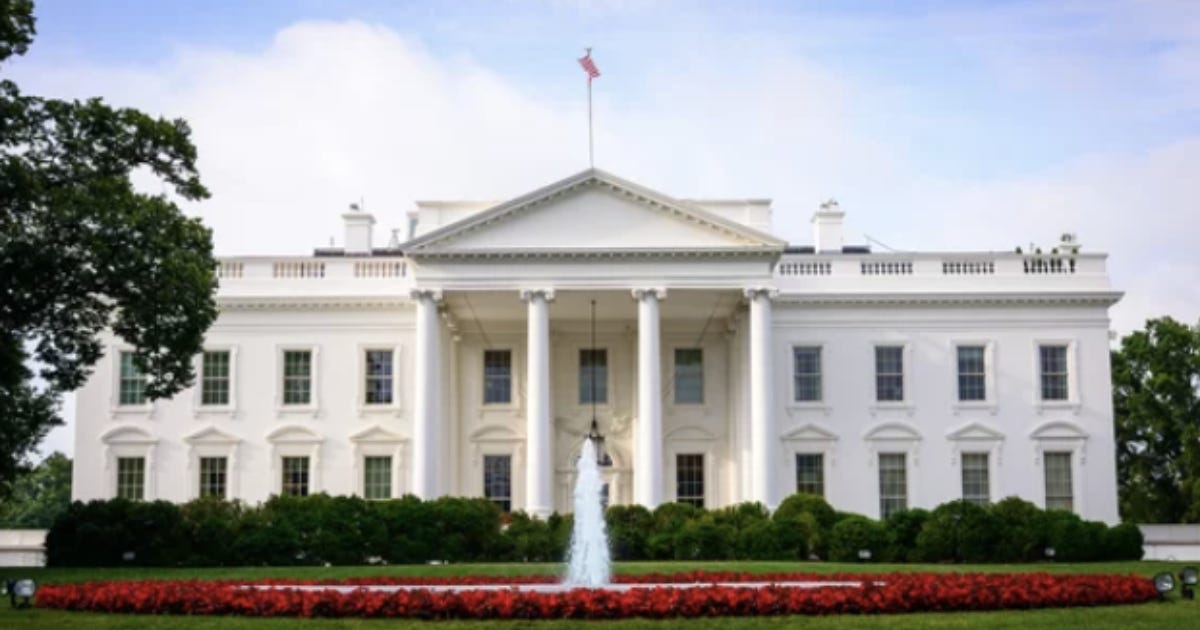
America is demanding major changes to the North American trade deal, putting Canada on notice over its protectionist dairy system and new online streaming laws.
In a report to Congress released this week, U.S. Trade Representative Jamieson Greer said the Trump administration would only recommend extending CUSMA if Canada addresses what Washington views as “unfair” trade practices that restrict American market access.
A key demand is greater access for U.S. dairy producers. Greer said Canada’s supply-managed dairy system continues to “unfairly restrict market access,” citing limits on tariff-free imports and concerns over Canada’s export of certain dairy ingredients, which U.S. producers claim undercut American prices.
While the report stops short of calling for the dismantling of supply management, it makes clear that dairy market access will be a central issue in the agreement’s mandatory 2026 review.

Greer also singled out Canada’s Online Streaming Act, arguing the legislation discriminates against U.S. technology and media firms by subjecting streaming platforms to Canadian broadcasting rules and financial contributions. The law was introduced to support domestic content as traditional broadcasters lose market share to online platforms.
The U.S. report further calls on Canada to address provincial restrictions on the sale and distribution of American alcohol, which were imposed in several provinces in response to U.S. tariffs on steel, aluminum and autos. Greer noted that U.S. spirits producers have suffered steep declines in Canadian sales as a result.
Additional concerns raised by Washington include what it describes as discriminatory provincial procurement practices in Ontario, Quebec and British Columbia, complicated customs registration requirements affecting U.S. exporters, and Alberta’s treatment of U.S. electricity providers serving Montana. The report also references long-standing disputes over lobster fishing in waters claimed by both countries near New Brunswick and Maine.
Greer told lawmakers that while CUSMA has increased U.S. exports to Canada and Mexico by more than 50 per cent since 2020, the agreement’s shortcomings mean it cannot be renewed without changes. He said the administration is keeping open the possibility of bilateral deals rather than a single trilateral agreement.
The report does not commit the U.S. to lifting existing Section 232 tariffs on Canadian steel, aluminum and autos, an issue Canadian officials have sought to resolve through negotiations.
Prime Minister Mark Carney publicly rejected U.S. pressure on supply management. Speaking Thursday ahead of a federal-Ontario agreement signing on infrastructure approvals, Carney said Ottawa remains “unwavering” in its support for farmers.
“I support our farmers, I support supply management,” Carney said. “The food and agricultural sector is much larger in Ontario than the automotive sector.”
Canada has repeatedly stated that supply management is not negotiable, despite continued pressure from U.S. dairy producers and free-trade advocates.
CUSMA is scheduled for a formal review next year. Canadian officials have warned that without an agreement, the pact could revert to annual renewals, injecting prolonged uncertainty into North American trade.
Coincidentally, eliminating both of these things - Quebec's Supply Management System on dairy, and the new Online Streaming Laws - would benefit Canadians as well.
Coincidentally, eliminating both of these things - Quebec's Supply Management System on dairy, and the Online Streaming Laws - would benefit Canadians as well.