

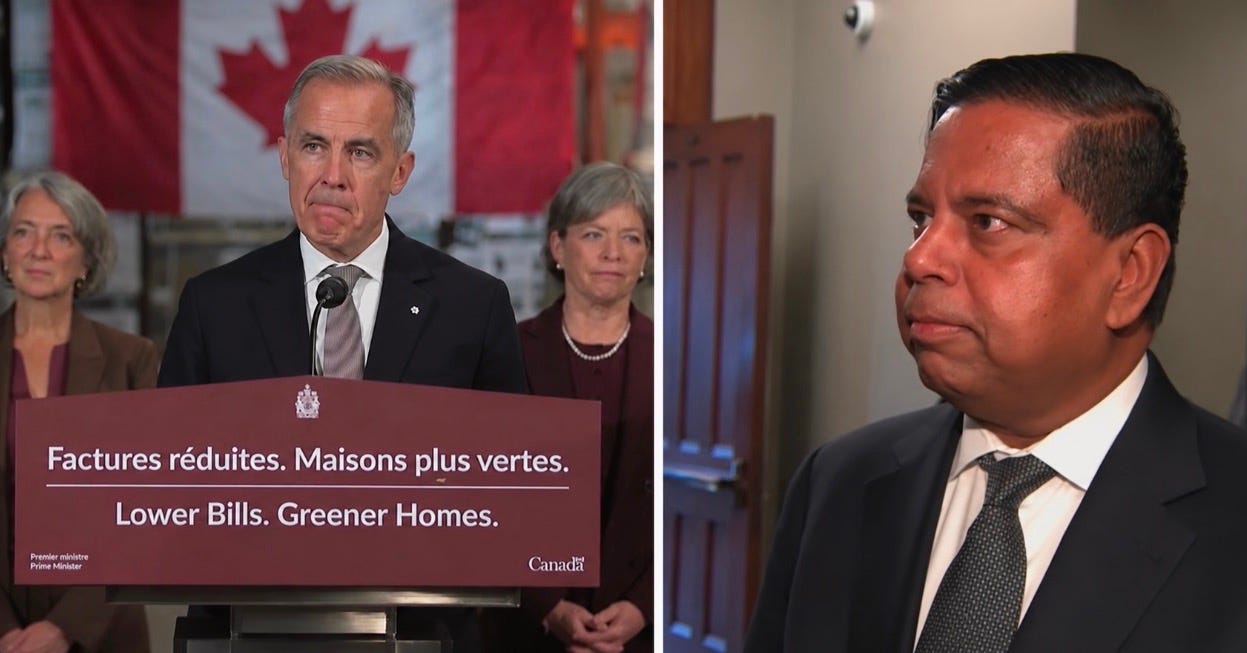
Banning the SKS rifle could add another $1 billion to Ottawa’s firearms buyback program and affect hundreds of thousands of gun owners, according to a leading firearms rights advocate.
Canadian Coalition for Firearm Rights (CCFR) CEO Rod Giltaca issued the warning after Public Safety Minister Gary Anandasangaree declined to rule out an SKS prohibition following the Tumbler Ridge massacre.

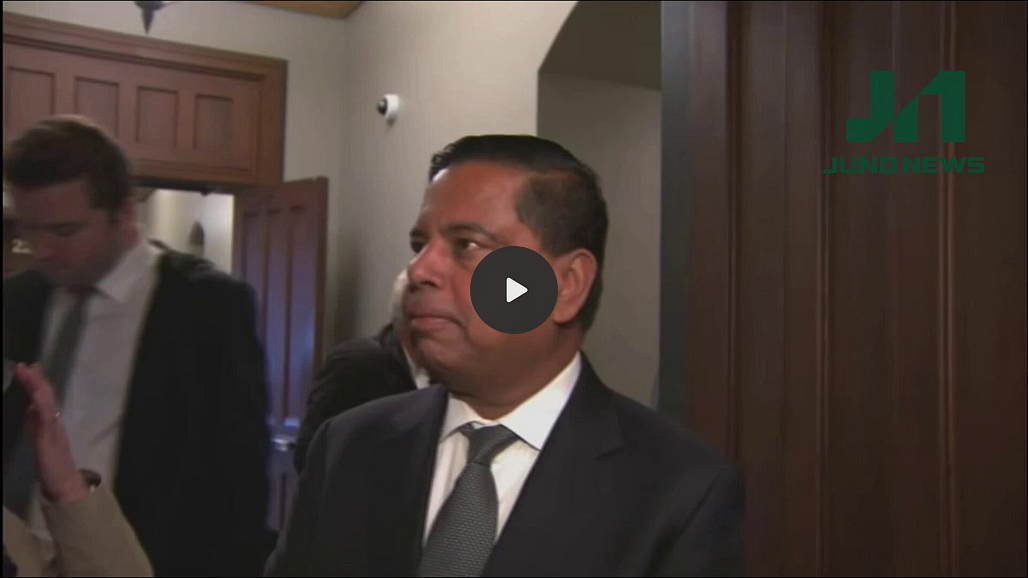
Asked on October 6 whether Ottawa would ban the rifle, Anandasangaree said the government was awaiting the RCMP’s final report before commenting further.
“I do think that they are reluctant to ban the SKS because that would likely involve another 200,000 licensed gun owners and up to a million additional firearms to be compensated for,” Giltaca told Juno News.
“This could add another billion dollars to the buyback and stretch it for years to come,” he warned.
Giltaca’s figures are estimates, not official government projections. Ottawa has neither announced an SKS ban nor committed to compensating owners if one is imposed.
The debate follows the release of FBI court documents concerning the February 10 Tumbler Ridge shooting, which killed eight victims.
An FBI complaint filed in Washington state alleges that James Bryant, a 30-year-old Bellingham resident charged with conspiracy to commit murder in a foreign country, supported Jesse Van Rootselaar as the massacre was being planned and even during the horrific incident.
According to The Canadian Press, the complaint alleges Van Rootselaar discussed using an SKS rifle previously confiscated and returned by police. He also allegedly obtained firearms and ammunition from a family gun safe.
The documents contain photographs of weapons allegedly sent to Bryant. Retired RCMP weapons officer Frank Grosspietsch identified one pictured firearm as a KRISS Vector, a model prohibited in Canada in 2024.
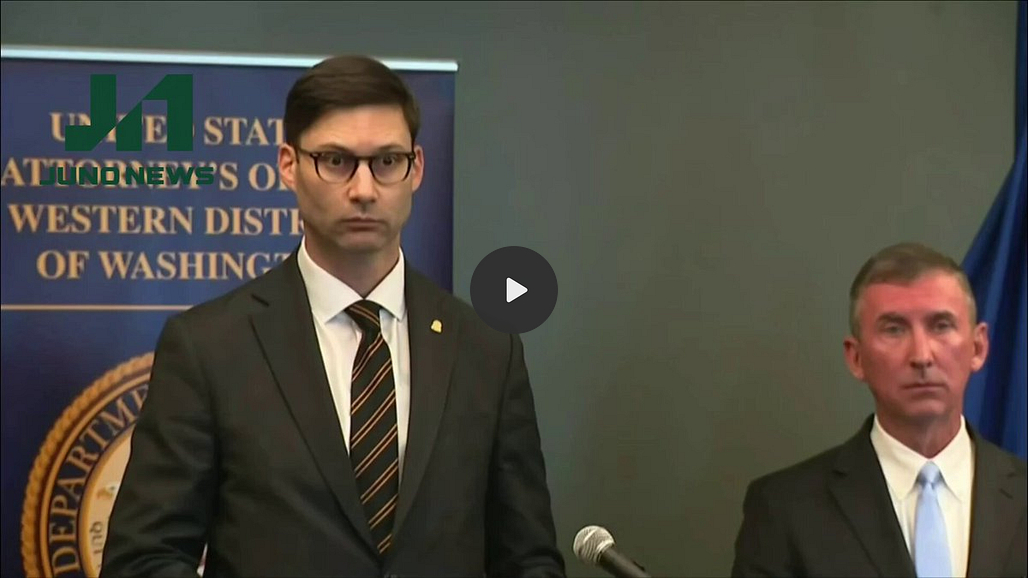
However, the RCMP has not confirmed which firearms were used in the killings. In February, police said the main firearm believed to have been used at the school had never previously been seized and that its origin remained unknown.
There is no public confirmation that either the previously confiscated SKS or photographed KRISS Vector was used. The FBI allegations remain untested in court.
Anandasangaree declined to discuss the weapons involved, citing the ongoing investigation. He rejected suggestions that withholding information was politically motivated, calling premature disclosure “irresponsible.”
Assistant RCMP Commissioner Elija Rain similarly said investigators were limiting disclosures to protect their work.


Giltaca urged caution.
“All interested parties should wait until the RCMP complete their work,” he told Juno News.
“This was a legitimate ongoing investigation and needs to be completed before we move on to solutions.”
Gun control advocacy group PolySeSouvient, however, told The Canadian Press that the FBI revelations reinforced the need to prohibit the SKS.
“The Carney government cannot keep ignoring this weapon,” the group said.

PolySeSouvient also cited alleged messages discussing extended magazines for the KRISS Vector, arguing Canada’s magazine restrictions contain loopholes.
The standard SKS remains generally classified as a non-restricted rifle, despite federal prohibitions covering more than 2,500 firearm makes and models since 2020.
Anandasangaree acknowledged the SKS remained under consideration after a federal expert panel flagged the rifle for further review without recommending a blanket ban.
It also raised questions about modifications, magazines and alternatives for Indigenous harvesters, who have long relied on the SKS for its affordability and durability.

On Oct. 8, Prime Minister Mark Carney was asked during an unrelated press conference in Sherbrooke, Quebec, whether Ottawa would ban or further restrict the SKS.
Carney did not directly answer, instead pointing to plans for an arm’s-length firearms classification assessment.
“What this government is doing is setting up an arm’s-length objective assessment of those classifications,” he said.
Citing constant changes in firearms, Carney said Ottawa needed advice from RCMP experts, adding that “those decisions will be taken with that advice.”
Carney neither confirmed nor ruled out an SKS ban.

Any expansion would add to a firearms compensation program whose ultimate cost remains disputed.
Ottawa has allocated approximately $742 million to the program since 2020, including $248.6 million earmarked for compensation.
In 2021, then-parliamentary budget officer Yves Giroux estimated compensation alone could cost up to $756 million, excluding administration and collection expenses.
Fraser Institute researcher Gary Mauser projected substantially higher costs, estimating compensation and collection expenses could reach $2.6 billion to $6.7 billion, excluding certain additional costs.

The buyback program faces a Supreme Court challenge to the 2020 firearms prohibitions. Ottawa extended the related amnesties until 90 days after court proceedings conclude, though compensation was expected to end by October 2026.
As of June 9, Public Safety Canada reported more than 142,000 firearms declared, claimed or destroyed, including 68,717 declared by individuals, over 61,900 claimed by businesses and more than 12,000 collected and destroyed.
Most had not been confirmed as surrendered. Compensation is voluntary, but owners must comply with the prohibitions once the amnesty expires or risk prosecution.
Public Safety Canada plans to evaluate the program in 2026–27. Its independent impact on firearm-related crime remains unestablished.

For Giltaca, the prospect of another prohibition raises questions about how far the Liberals will expand their program.
“There’s no telling what the Carney Liberals are capable of,” he said.
“It does seem, however, that they’re not as enthusiastic as the Trudeau Liberals, and it’s possible they just want to complete their buyback program and be done with this exceedingly unpopular policy.
“As gun control in Canada is almost entirely political, there’s no telling what the Liberals will do next,” Giltaca added.
“I think it depends on their political position at any given time.”