

Reconciliation Without Borders: What Taiwan and Canada Share
“Reconciliation has become one of the warmest, least politically contentious threads in the Taiwan-Canada relationship.”
By Angel Li-hsin Liu, Director General, Taipei Economic and Cultural Office in Vancouver
When the award-winning Indigenous singer from Taiwan visited UBC’s Museum of Anthropology this July, she was admitted free of charge in recognition of her Indigenous status. It is a small gesture, but it reflects a larger one: Reconciliation is reshaping how Canada’s institutions relate to Indigenous Peoples, and it resonated with an Indigenous visitor from the other side of the Pacific.
Taiwan knows this journey. In 2016, it became the first government in Asia to formally apologize to Indigenous Peoples within its borders for centuries of injustice. Taiwan’s commitment is also constitutional. Six of the 113 seats in the legislature are reserved for Indigenous representatives, giving Indigenous Peoples direct, protected power to shape national policy. That commitment to historical justice mirrors Canada’s own reckoning, including its efforts to confront the legacy of the residential school system. Reconciliation has become one of the warmest, least politically contentious threads in the Taiwan-Canada relationship.
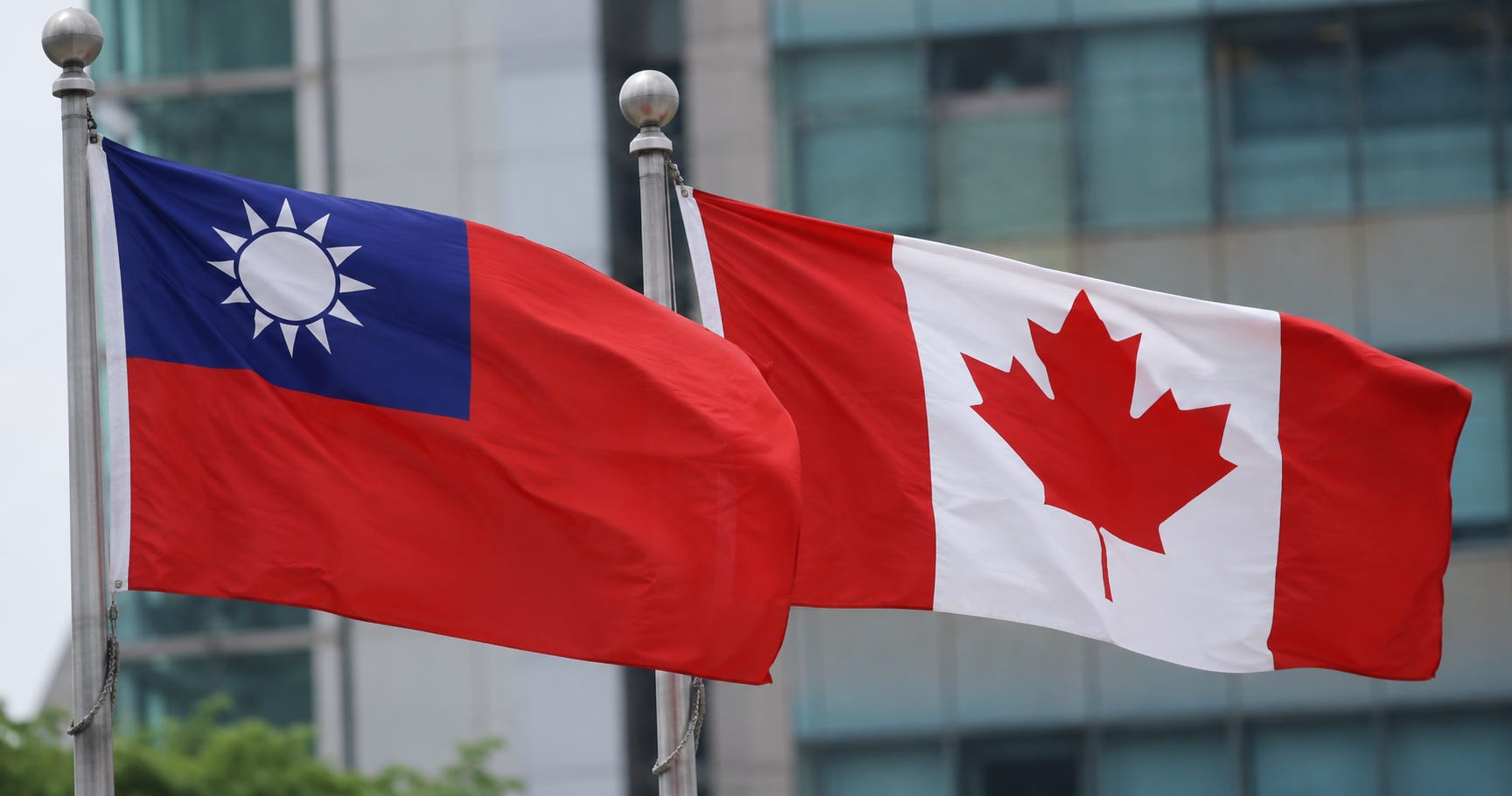
That relationship has deepened even as the People’s Republic of China (PRC) in Beijing works to shrink Taiwan’s international space and Canada maintains its One China Policy, adopted in 1970. In 2021, Taiwan and Canada were among the four founding partners, together with Australia and New Zealand, of the Indigenous Peoples Economic and Trade Cooperation Arrangement (IPETCA), which works to remove trade barriers for Indigenous businesses, promote Traditional Knowledge, and expand Indigenous participation in trade, with particular attention to women. Through the Global Cooperation Training Framework, Indigenous leaders from Canada, the United States, Japan, Australia, New Zealand, and Taiwan have shared approaches to economic empowerment, language revitalization, and education.

That cooperation is tangible. This year, we joined a Richmond-based Taiwanese-Canadian travel company on a visit to Haida Gwaii, where the Skidgate Band Council and the Old Massett Village Council shared their model of sustainable, community-led tourism. The Taiwan Indigenous Net-Zero Sustainability Association and RUNWITHIT Synthetics, an Alberta-based Indigenous-led firm, are now working together to help Indigenous communities in Taiwan prepare for extreme weather using advanced simulation and AI.
This shared progress makes what is happening across the Taiwan Strait all the more troubling. We remain deeply concerned about the People’s Republic of China (PRC)’s treatment of ethnic minorities, including Tibetans, Uyghurs, Hong Kongers, and Taiwanese. Its recently enacted Law on Promoting Ethnic Unity and Progress is sweeping and vaguely worded. It includes a clause stating that the PRC government could use this new law to suppress individuals and organizations accused of promoting “ethnic separatism,” regardless of their nationality or location, including those in Taiwan and Canada.
We believe this legislation is not truly about promoting unity. Instead, its broad scope and extraterritorial reach risk turning domestic law into a tool that could be used against individuals and organizations worldwide if the PRC deems their activities or narratives to undermine its interpretation of “ethnic unity.” A vivid example occurred recently in Taiwan, when a prominent journalist and political commentator critical of Beijing was punched in the face by a Chinese national in a hotel lobby. Taiwanese authorities flagged the incident as an alleged case of transnational repression. This incident illustrates that the PRC’s new law could have a chilling effect on those who criticize the PRC’s authoritarian behaviour and provide a legal façade for its transnational repression.

Reconciliation cannot stop at a nation’s borders. It is realized only when governments honour a rules-based international order and protect the rights of Indigenous and minority peoples wherever they live. Taiwan and Canada have demonstrated what partnership in that spirit can look like. We invite others to join us in opposing any law or action that violates human rights across borders.
> In 2016, it became the first government in Asia to formally apologize to Indigenous Peoples within its borders for centuries of injustice. Taiwan’s commitment is also constitutional.
United in stupidity. This is not something to be proud of. You've been WEF'd just like Canada!
Okay. Taiwan, nice people, but Chinese. Canada should not get involved at all. It's like asking a country to side with Canada in a war with the USA - we're basically the same. Or Ukraine vs. Russia - basically the same, Russian. You could drop a person into Taiwan, they'd think they're in China.