
Author: Devin Drover
Devin Drover is General Counsel for the Canadian Taxpayers Federation.
Canadian taxpayers foot the bill for the government. That makes them the boss. And the boss has every right to know who’s getting paid what.
But when it comes to the federal government, taxpayers are kept in the dark. So the Canadian Taxpayers Federation is going to court to turn the lights on.
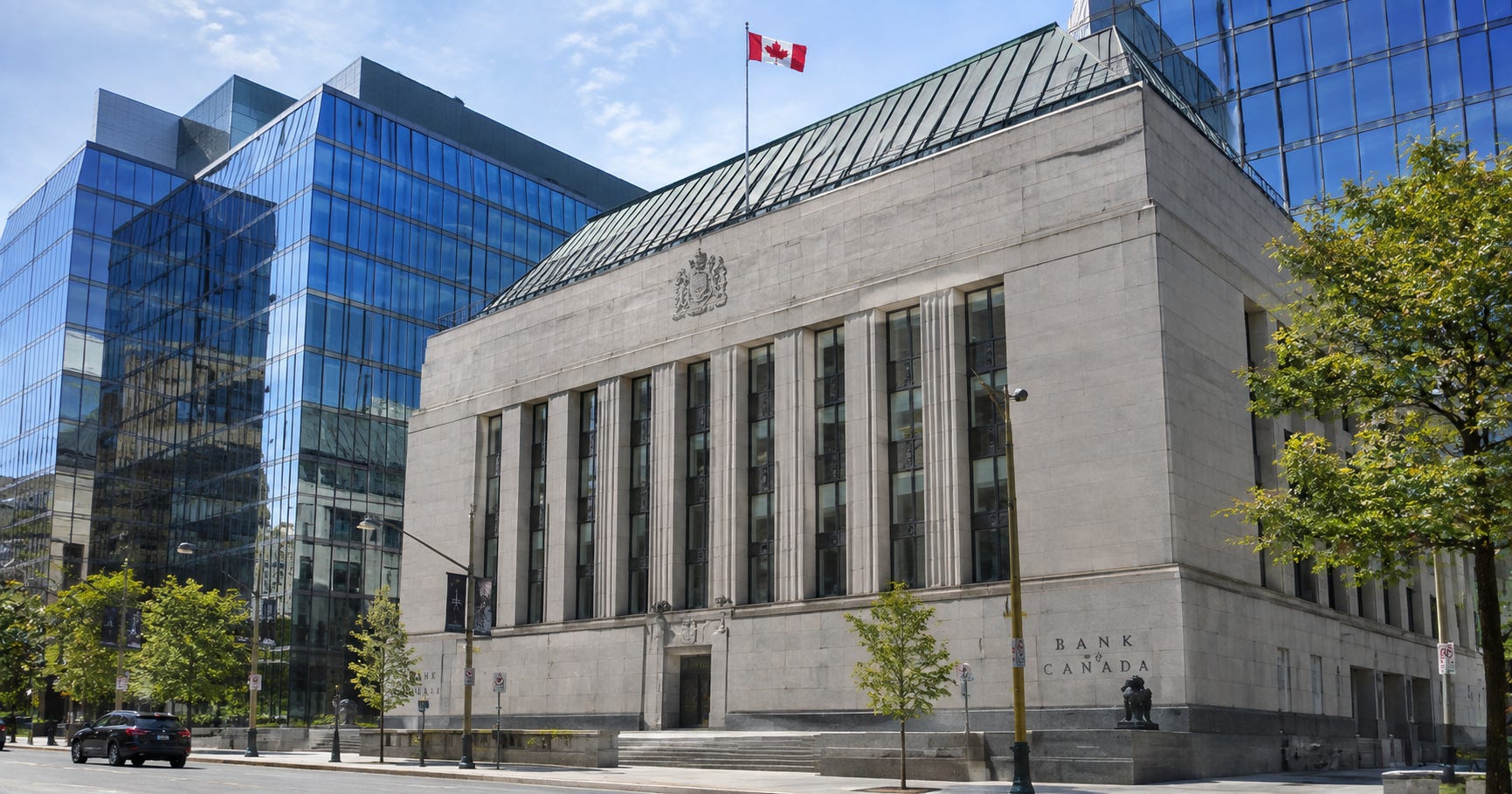
The CTF is in Federal Court backing transparency advocate Matt Malone in his fight against the Bank of Canada. The case is simple: Malone asked the central bank to disclose the salaries, bonuses and performance pay of its governors going back to 2012. That covers Mark Carney, Stephen Poloz, Tiff Macklem and their deputies.
The bank said no.
Think about that.
The Governor of the Bank of Canada sets interest rates that decide what millions of Canadians pay on their mortgages. The bank is a Crown corporation owned by taxpayers and its surplus flows back to the federal treasury.
And it gets worse. Under the access-to-information law, the person who decides whether to release the governor’s pay records is the governor himself. He reviewed a request for his own compensation and refused it.
That’s not accountability. That’s the fox guarding the henhouse.
The bank claims exact salaries are protected personal information. But the pay of Canada’s central banker was public knowledge for decades. In 1940, the finance minister told Canadians that Governor Graham Towers made $30,000 a year. When James Coyne took the job in 1955, the Globe and Mail reported his $50,000 salary the day he was appointed. In 1969, the finance minister disclosed Governor Louis Rasminsky’s raise on the record in Parliament.
Somewhere along the way, Ottawa decided taxpayers could no longer handle that information.
Canada’s peers haven’t. The pay of the Governor of the Bank of England, the President of the European Central Bank and the Chair of the U.S. Federal Reserve are all published.
In fact, Mark Carney himself had his own salary disclosed when he was the Governor of the Bank of England.
There is no good reason this information should be secret only in Canada.
This court fight matters because it exposes a much bigger problem: Unlike most provinces, the federal government has no sunshine law. There’s no legislation requiring Ottawa to disclose the names, positions and salaries of its top-paid people.
Through access-to-information requests, the CTF has uncovered that more than 110,000 federal bureaucrats now take home six-figure salaries. But we can’t get their names.
Meanwhile, Ontario has had a sunshine list since the 1990s and is now joined by every Canadian province besides Quebec and Prince Edward Island.
When unions in Newfoundland and Labrador fought disclosure all the way to the province’s Court of Appeal, they lost.
“The public has a legitimate and significant interest in the identities of the people who receive public money,” the court ruled.
And sunshine works.
Newfoundland and Labrador brought in its list in 2016, and it put pay at Nalcor, the Crown energy corporation, in the headlines. The auditor general later confirmed what taxpayers suspected: Nalcor executives were paid up to $270,000 more than comparable government employees, and staff billed nearly a quarter million dollars a year for booze, cigars, parties and golf.
Outrage followed and so did action: The government shut Nalcor down.
That’s the power of transparency. When officials know their names will be printed next to their paycheques, they think twice before rubber stamping a pay bump or billing taxpayers for perks.
The Bank of Canada case is the first crack of light. A win would confirm that the people running powerful federal institutions can’t hide their pay behind a privacy exemption they administer themselves.
But taxpayers shouldn’t have to litigate for basic transparency, one agency at a time. The permanent fix is a federal sunshine law that puts the names and salaries of Ottawa’s top earners online every year, automatically, just like the provinces do.
Canadians have a right to see how their money is spent. We’re fighting for that right in court. Parliament should make the fight unnecessary.
Let’s bring a sunshine law to Ottawa.


