
OP-ED: What Canada can learn from South Korea's education culture
Dr. Dotan Rousso writes, "In the most recent PISA assessments, South Korean students scored 527 in mathematics, compared with Canada’s 497 and the OECD average of 472.
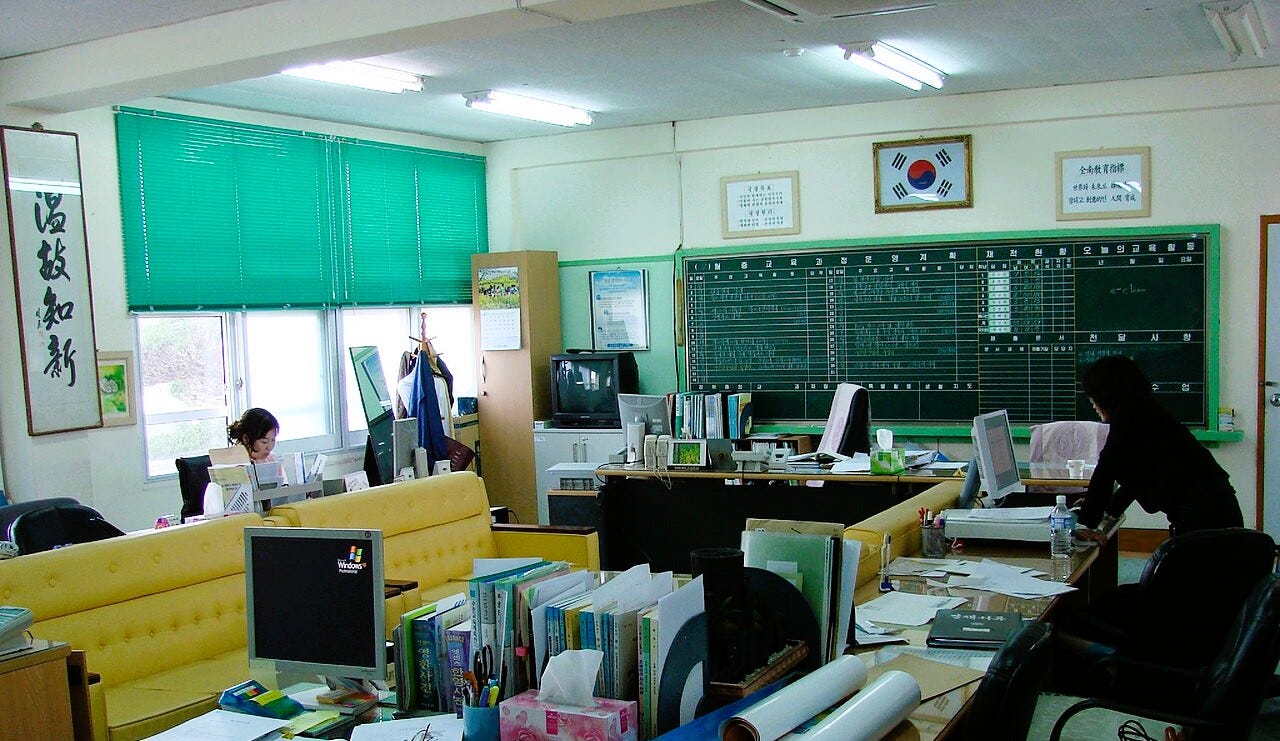
By: Dr. Dotan Rousso
Dr. Dotan Rousso is a philosophy faculty member at SAIT in Calgary, where he teaches critical thinking and applied ethics.
As an educator visiting South Korea, the contrast between its education culture and ours is difficult to miss. Canada’s education system is not failing, but it is drifting. It still performs respectably by international standards, but respectability can hide decline.
The data points in this direction. In the most recent PISA assessments, South Korean students scored 527 in mathematics, compared with Canada’s 497 and the OECD average of 472. Korea also outperformed Canada in reading and science, though by smaller margins. Canada remains above average, but Korea’s stronger results reflect something deeper than test preparation. They reflect a culture that still treats academic effort as a serious obligation.
In too many Canadian classrooms, expectations have softened. Homework has been reduced. Deadlines have become flexible. Grades are often inflated. Discipline is treated with suspicion, and failure is increasingly viewed as something students should be protected from rather than something they should learn to overcome. Under the language of inclusion and emotional safety, we sometimes risk sending students the wrong message: effort is optional, consequences are negotiable, and excellence is no longer required.
South Korea offers a useful, if uncomfortable, contrast. Its education system is built on structure, pressure, and expectation. Students work long hours. Homework is standard. Effort is assumed. Students learn early that discipline, persistence, and delayed gratification matter.
That does not mean Canada should copy Korea. The Korean model has serious costs. Academic pressure can be intense. Students often face stress, sleep deprivation, and narrow definitions of success. But dismissing Korea because of its excesses would be a mistake. The lesson is not that pressure is always good. The lesson is that effort matters. Standards matter. Serious learning requires discomfort, repetition, discipline, and the ability to stay with difficult problems.
Canada does many things well. It values student well-being, inclusion, and emotional safety. These are real strengths. But they must be matched with clearer standards and more consistent expectations. Compassion in education should not mean the removal of challenge. Support should help students meet demanding standards, not replace those standards altogether.
Education’s primary job is not to make students comfortable today. It is to make them capable tomorrow. A system that refuses to demand effort risks producing young people who see difficulty as unfair rather than normal.
The goal is not to choose between compassion and excellence. The goal is to build students who are both supported and capable, both healthy and resilient. That balance is what Canada should now aim to restore.


