


Conservative Leader Pierre Poilievre wants frustrated Albertans to give Canada another chance.
His message is straightforward: Alberta has legitimate grievances, Ottawa has repeatedly overstepped its bounds, but separation is not the answer.
There’s just one problem.
Some of the policies fuelling that frustration — including equalization and supply management — aren’t policies Poilievre is proposing to fundamentally change.

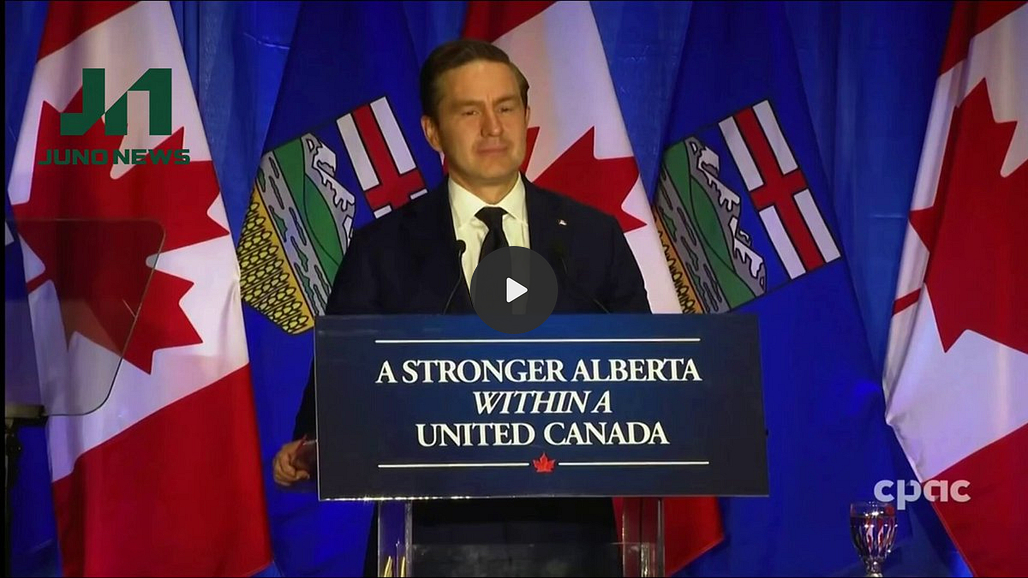
With Alberta’s Oct. 19 referendum approaching, the Conservative leader travelled to Edmonton to make his case for Confederation.
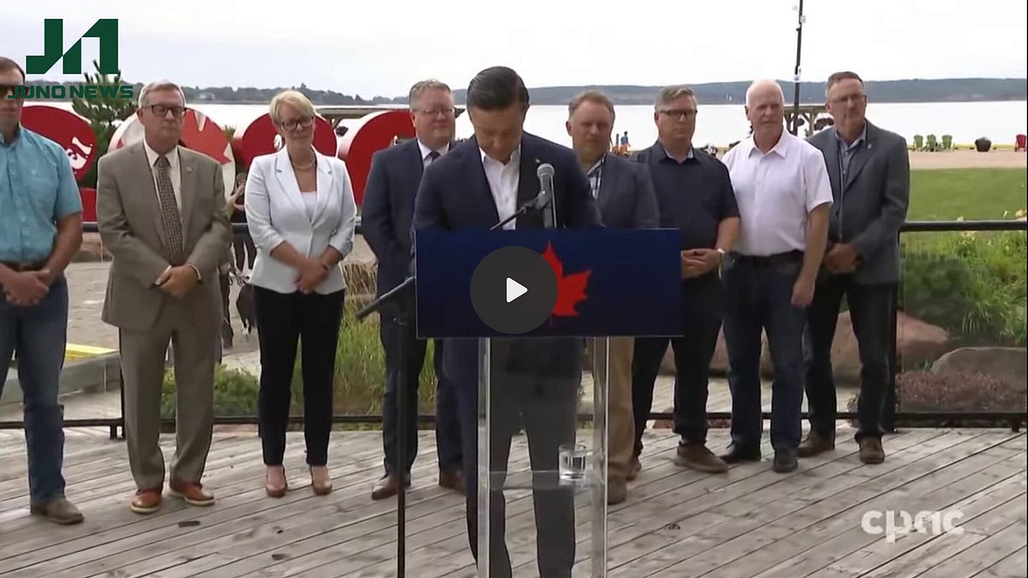
“We’re here to urge our fellow Albertans to vote on October 19th for Option 1 to stay part of the greatest country on earth, Canada — a united Canada, a strong Alberta,” Poilievre told supporters at an Edmonton event on Sept. 29.
But Poilievre did not dismiss the anger behind the independence movement.
“We must not accept the Orwellian idea that criticizing our government is unpatriotic or that acknowledging the grievances of Albertans is disloyal,” he said.
“If we want to unite this country, we need to give people who have lost hope in it a reason to renew their faith.”
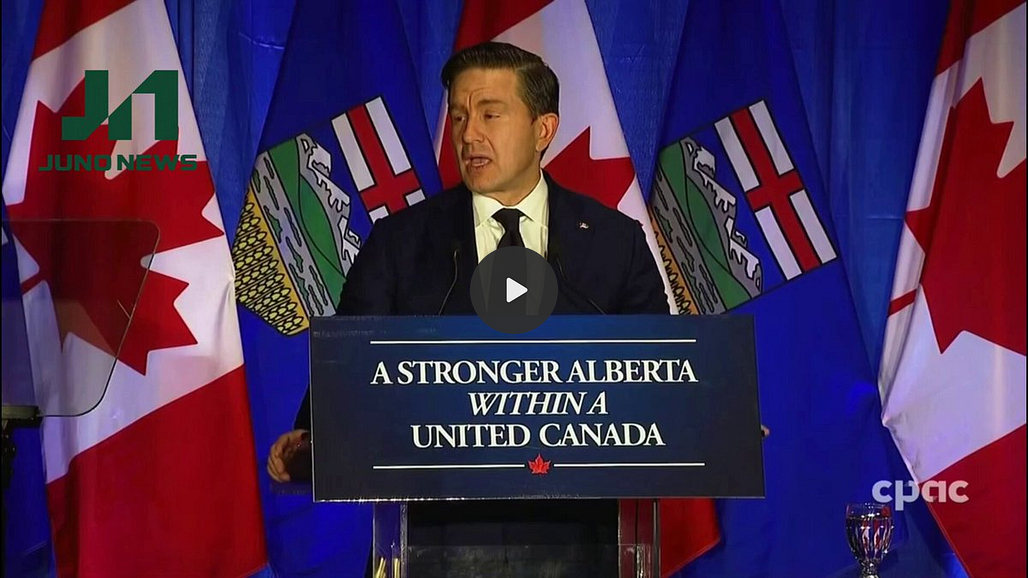
Poilievre pointed to unaffordable housing and groceries, restrictions on oil and gas development, and federal firearms policies, accusing a “costly and controlling, big and bossy” Ottawa government of overstepping its jurisdiction.
His solution is a smaller federal government and a clearer division of federal and provincial powers.
“Separation will not solve those problems. Becoming even more Canadian will,” he said.
That argument creates its own test.
If restoring faith in Confederation requires addressing Alberta’s grievances, what happens when the grievance involves a policy Poilievre himself supports?

Alberta’s independence movement remains a minority position, but it has demonstrated substantial organized support.
Elections Alberta counted 279,337 valid signatures on a citizen initiative petition seeking an independence referendum, surpassing the 177,732 required, though further steps remain on hold amid a court appeal.
Polling still shows most Albertans want to remain in Canada, with a September Ipsos poll finding 70 per cent would stay versus 20 per cent who would begin the process toward a binding independence referendum, while an August Angus Reid Institute poll put the split at 61 per cent to 33 per cent.
Premier Danielle Smith has also said she will vote to remain in Canada while pledging to respect the direction Albertans deliver.
So Poilievre is hardly alone in arguing Alberta should stay.

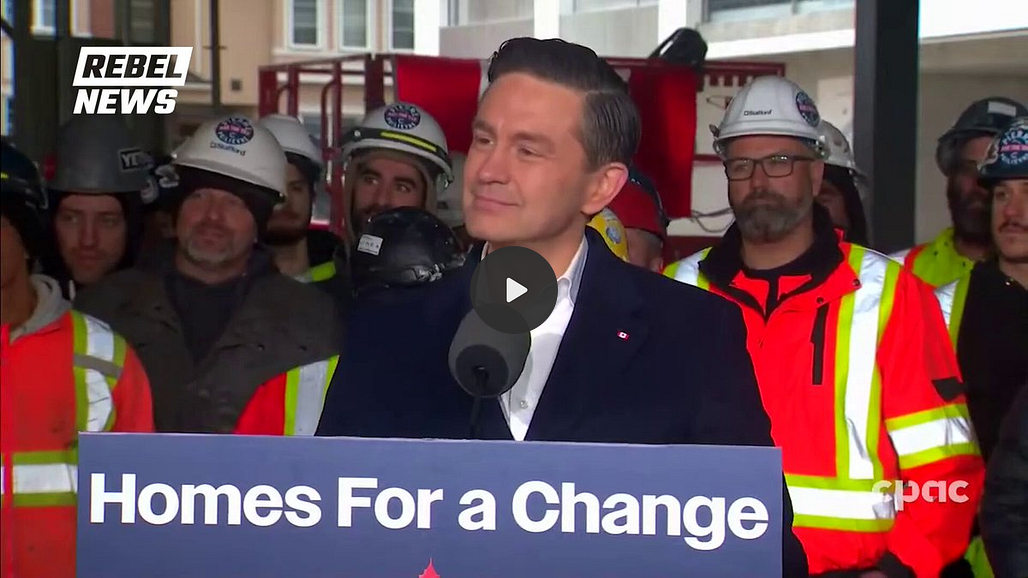
The harder question is what will fundamentally change if Alberta votes to stay.
Take equalization.
In 2021, 61.7 per cent of Albertans who cast valid ballots in a provincial referendum voted to remove the constitutional commitment to equalization.
Five years later, that commitment remains.
Poilievre, meanwhile, has said he doesn’t anticipate “big changes” to the equalization program under a Conservative government.
“We don’t want to cut transfers to people and provinces. We want to cut the bureaucracy in Ottawa. That’s where the waste is found,” he said.

That may be a defensible federal policy position. But it also limits Poilievre’s answer to Albertans who view equalization itself as part of the problem.
Grant Abraham, leader of the United Party of Canada, has argued Poilievre underestimates that frustration.
“I mean so much of Alberta is so fed up with paying money to Quebec and Ontario in the form of equalization payments,” Abraham said..
Then there’s supply management.
Poilievre wants tariff-free trade with the United States while continuing to defend the system protecting Canada’s dairy, poultry and egg industries.
“We believe in standing up for our farmers on this side of the border, including supply-managed farmers,” Poilievre said in August, arguing heavily subsidized American farmers already enjoy an advantage over Canadian producers.
At the same time, he has called on Washington to “remove tariffs and restore free trade.”
Juno News asked whether that call for tariff-free trade extends to Canada’s own supply management restrictions, including steep over-quota tariffs on some American dairy, poultry and egg imports.
Poilievre did not respond.
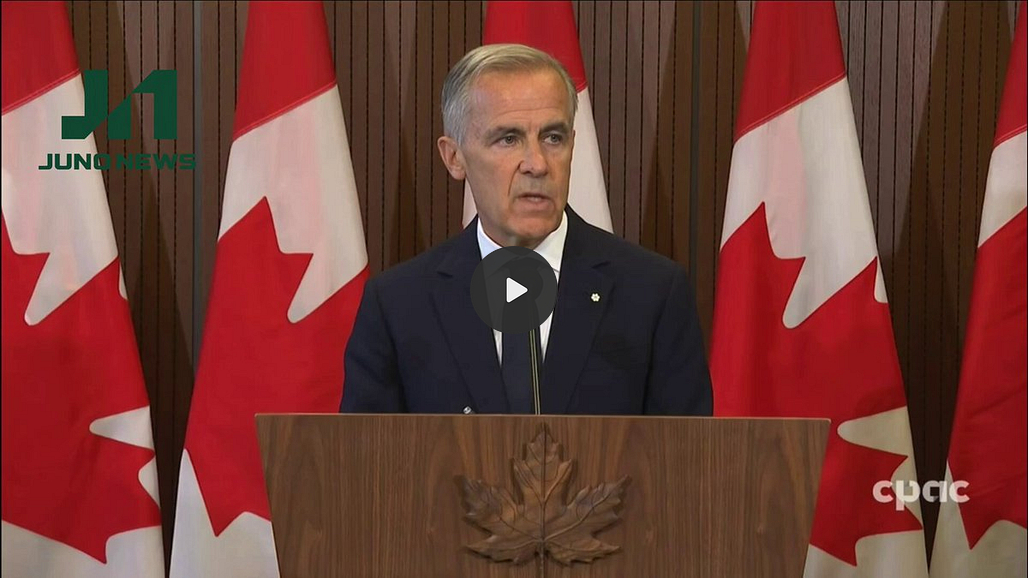
Prime Minister Mark Carney has likewise treated supply management as a red line in negotiations with Washington.
Jeff Rath, a lawyer with the pro-independence Alberta Prosperity Project, has called Poilievre’s support for equalization and supply management a “tough sell” in Alberta.
“He just can’t read the room,” Rath said.
On supply management, Rath accused Poilievre of “protecting the Quebec dairy cartel” rather than “protecting the interests of Albertans.”
Poilievre’s counterargument is that Alberta’s problem isn’t Canada itself, but an Ottawa that has strayed from what Confederation was supposed to be.
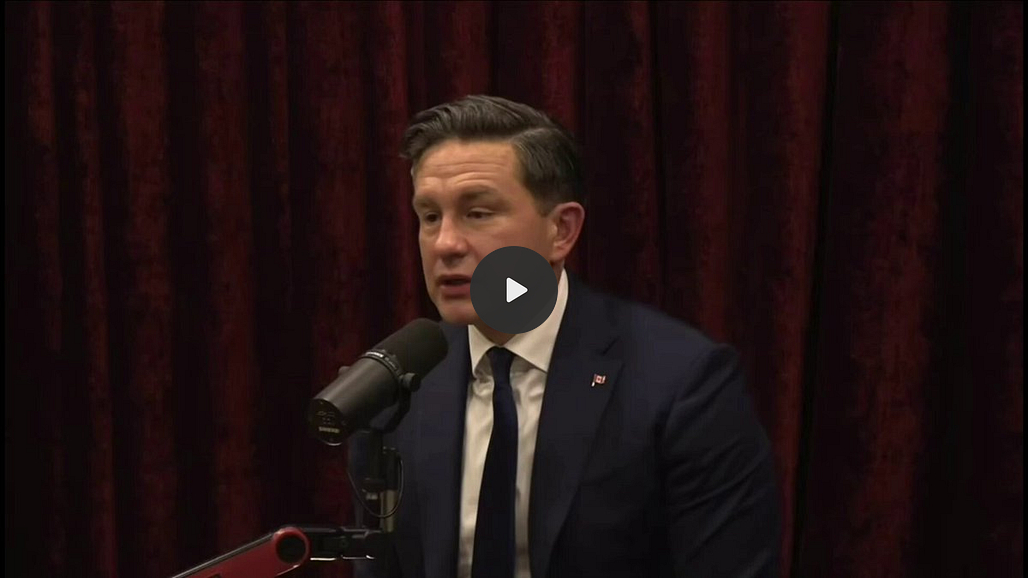
“What Albertans are complaining about is not Canada,” he said. “It is the government policies that are actually inconsistent with how Canada was meant to work in the first place.”
That may be the most important line in Poilievre’s pitch.
Because if the problem is government policy rather than Canada, the obvious question is which policies would actually change.
On Liberal energy, firearms and federal policies, Poilievre offers Albertans a substantially different approach.
On equalization and supply management, he does not.
That doesn’t make separation the answer. Most Albertans, according to the available polling, still want to remain in Canada. But it does expose the challenge at the heart of Poilievre’s unity pitch.
He says Albertans shouldn’t be told their grievances are illegitimate or that their problems will never be fixed.
Acknowledging those grievances is the easy part.
The harder part is telling Albertans which ones Ottawa is actually prepared to change.
Great article. Very clear logical style.
So nobody mentions immigration I guess. Deportation would reduce house prices and improve the quality of life - make it more Canada again.