

OP-ED: B.C.'s latest Indigenous outrage threatens freedom of contract
Peter Best writes, "A B.C. lawsuit by Metlakatla First Nation could upend the sanctity of private contracts in Canada."
By: Peter Best
Peter Best, a retired lawyer, lives in Sudbury, Ontario. The original, longer version of this story first appeared in C2CJournal.ca.
Last year, in Cowichan Tribes v. Canada, a B.C. court pulled the rug out from under property rights across Canada by declaring aboriginal title to be a “senior and prior interest” when compared to the fee simple status that forms the bedrock of Canadian property ownership. Now, Metlakatla First Nation v. Prince Rupert Port Authority (PRPA) threatens the same sort of damage to contract law.
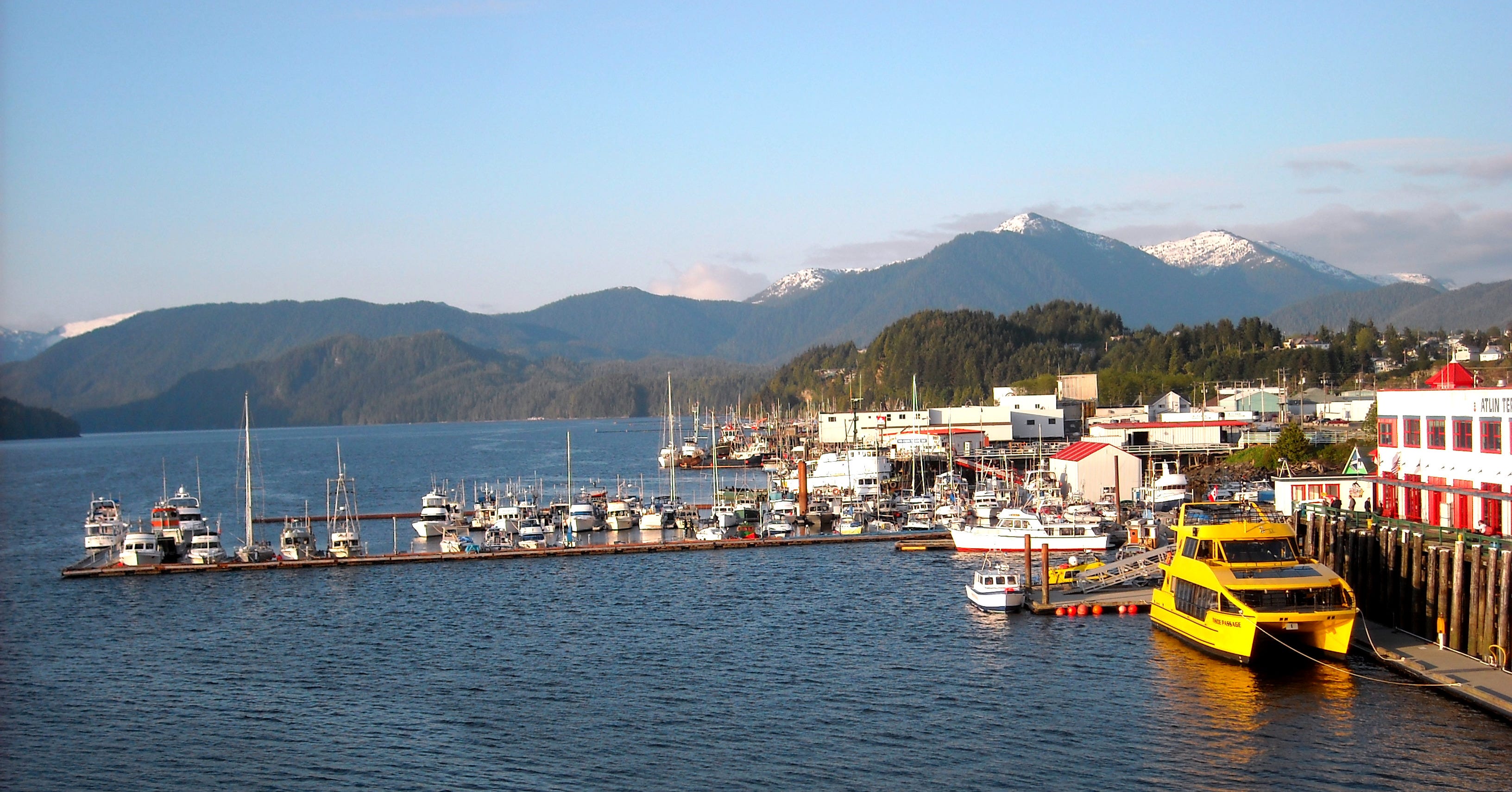
The lawsuit turns on the validity of contracts signed by PRPA, which owns and operates the port at Prince Rupert in northern B.C. In 2015, PRPA entered into a development agreement with the Ridley Island Energy Export Facility, or REEF, to export propane from the port. As is common commercial practice, REEF negotiated exclusive rights to handle propane at Prince Rupert, with the specifics of this arrangement to be kept confidential.

Reflecting another increasingly common commercial practice, in 2018 PRPA and REEF began consultations with local native groups. After five years of talks, REEF agreed to provide $350 million in economic benefits to the six First Nations involved, including Metlakatla First Nation (MFN), in exchange for their consent and support. The project subsequently received all necessary federal and provincial approvals and is expected to begin operation next year. Total cost: $1.3 billion.
Separately from REEF, in December 2019 Ottawa sold the bulk cargo export facility Ridley Terminals, also located at Prince Rupert, to what is now known as Trigon Pacific Partnerships Limited. Under this deal, Trigon was restricted to exporting only certain listed commodities, including coal and coke. Propane was not on this list. It seems improbable that the well-heeled global firms behind Trigon could have failed to discover this critical provision during their due diligence.


Trigon subsequently gave MFN a five per cent equity stake in its operation, gaining what would prove to be a very useful partner once it asked PRPA for permission to export propane – a diversification attempt prompted by a planned Liberal moratorium on coal. But because of its prior agreement with REEF, PRPA quite properly refused Trigon’s request. At which point the legal fireworks began.
Trigon and its strategic partner MFN then launched a multi-prong campaign to force the port authority to break its contract with REEF and let it into the propane business. The most aggressive of these efforts is the Metlakatla lawsuit mentioned above, which brings the question of aboriginal title into what should be a simple matter of contract law.
MFN claims the port authority, a federal organization, failed in its duty to “adequately consult” on REEF. It asserts that the duty to consult creates a “special relationship” that gives rise to a fiduciary relationship, including a duty to make no material misrepresentations. PRPA, it claims, should therefore have revealed the confidential terms of its deal with REEF — even if doing so would have meant breaching its contract with the firm. The native group further asserts an aboriginal title right to export propane as part of its “derivative economic rights.”

The port authority quite reasonably sought to dismiss the Metlakatla lawsuit as a baseless attack on a valid contract. In a ruling this January, however, the B.C. Supreme Court tossed centuries of legal certitude aside by allowing the case to proceed. The Metlakatla, the judge ruled, were “entitled to the deepest possible level of consultation.” It remains to be seen what this means for Canadian contract law.
Unwilling to even wait for the outcome of its own lawsuit, however, in February the MFN then triggered the “nuclear option” of Indigenous resource disputes. It said it was immediately withdrawing its previously granted consent for REEF and would henceforth refuse to engage with any future permits or consultations. It is essentially holding the entire port facility hostage until it gets what it wants. Contracts be damned.
By withdrawing its previously granted contractual support for REEF, MFN is damaging its own reputation and that of the entire Indigenous community. If one of the main goals of Indigenous reconciliation is to integrate and embed native interests into Canadian economic development, then native business partners have a responsibility to act in a reliable and trustworthy manner. The same goes for its lawsuit seeking to overturn the REEF contract. Business contracts ought to be considered as inviolable as any treaty signed between governments and Indigenous people. If the Crown has a duty to act with honour, so does everyone else.
The repeated invention of novel forms of aboriginal title meant to deliver a temporary business advantage to a particular First Nation puts all future resource projects with First Nations under a cloud. These repeated efforts at undermining contract law signal once again to the world that Canada is not a reliable place to do business.
“REEF agreed to provide $350 million in economic benefits to the six First Nations involved.” This is the new policy in Canada. Give a cut of all business deals to the indigenous mafia, or they will rise up. Extortion is now our motto. The woke mindset is the treason that invented it and that will unravel Canada.
This is getting beyond ridiculous.
This is what happens when incompetent fools are elected to govern.
Not unique to BC although they are currently leaders in having elected incompetent fools.
... BUT ...
From Ottawa and certainly in some other provinces.
The incompetent fools abound.