
OP-ED: Alberta universities didn’t end DEI. They rebranded it
"Changing the name while keeping identity-based hiring rules means nothing has really changed."
Author: Marco Navarro-Genie
Alberta’s universities are not dismantling their DEI regimes. They are repainting the signs on the doors.
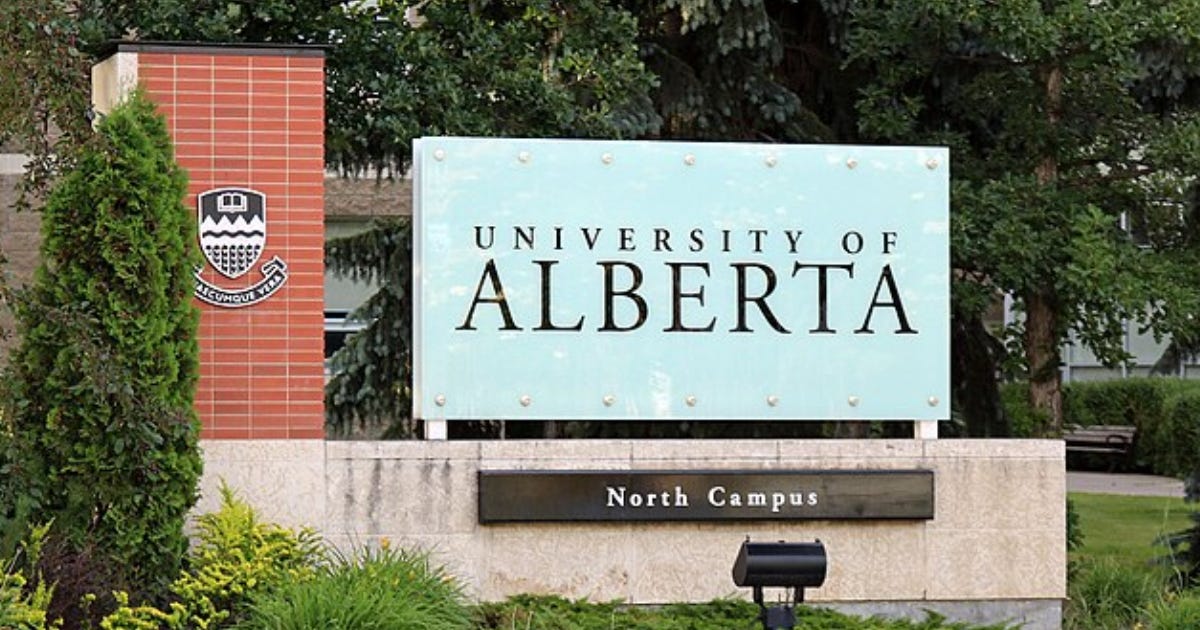
In January 2025, the University of Alberta announced it was dropping the language of “equity, diversity and inclusion” in favour of “access, community and belonging.” The move was presented as reform. It isn’t. The hiring policies remain. The administrative structures remain. The underlying framework remains.
Other Alberta universities have followed the same script. Mount Royal University quietly rebranded its DEI office as the “Office of Community and Belonging.” The University of Calgary eliminated its vice-provost for DEI and folded the portfolio into an “Office of Institutional Commitments.” The University of Lethbridge replaced its DEI branding with new language while leaving its hiring framework intact.
From a distance, that looks like change. Up close, it is relabelling.
The real test is simple: how many institutions have changed their hiring policies? One. Exactly one.
The University of Alberta has proposed removing the recommendation that, when two candidates are similarly qualified, hiring panels should favour applicants from historically underrepresented groups. It also strips references to correcting employment disadvantages from its preamble.
If that proposal passes, Alberta will have one university that has altered the framework privileging identity over qualification. One.
And even that modest change is facing organized resistance. The university’s General Faculties Council has already opposed it, and union leaders warn of a “broader backlash.”
In the other Alberta universities, the DEI hiring structure is intact.
At Calgary, DEI directors remain in place, the DEI Data Hub continues to operate and job postings still invite designated groups to apply and self-identify. No hiring policy was touched.
Mount Royal changed the name on the office door, but the system did not change. DEI leadership roles remain, advisory bodies remain and equity-focused funding remains. Its hiring language remains as well.
At Lethbridge, the branding shifted, yet DEI hiring language tied to federally designated groups still appears on major program pages. Again, no hiring policy was touched.
Four universities have rebranded. Only one has proposed a hiring change.
That pattern did not emerge by accident.
Over the past decade, DEI frameworks spread rapidly across Canadian universities, producing dedicated offices, reporting systems and compliance structures. What began as policy language evolved into permanent administrative infrastructure.
In 2017, the federal government tied research funding under the Canada Research Chairs Program, which channels substantial federal funding and high-profile academic positions to universities across the country, to compliance with equity targets and action plans. Institutions that failed to meet those targets faced consequences.
That funding model did more than encourage DEI. It embedded it. When revenue depends on maintaining equity plans and reporting structures, universities create offices, hire administrators and formalize procedures to protect that revenue stream.
Once those offices exist to secure funding and demonstrate compliance, removing them becomes institutionally risky. This is why superficial reform does not work. You cannot change incentives by changing vocabulary.
The predictable result is administrative growth. Senior DEI officials earn six-figure salaries. Across Alberta’s major universities, DEI-dedicated staff likely number in the hundreds, with compensation in the tens of millions annually.
As that infrastructure grows, so does its reach. DEI frameworks shape hiring panels and curriculum review.
Most critically, they influence faculties of education that train the province’s future teachers. What is embedded there does not remain on campus. It shapes classrooms across Alberta for decades.
Against that backdrop, recent political signals point in the right direction. An October 2025 report on post-secondary funding recommended institutional neutrality and merit-based hiring. UCP membership resolutions in 2023 and 2024 condemned DEI offices and called for financial consequences. Premier Danielle Smith has proposed legislation allowing Alberta to scrutinize certain federally funded agreements.
But reports and resolutions do not dismantle systems.
If Alberta is serious, it must change the incentives that built the apparatus in the first place. That means pressing Ottawa to redirect funds currently sustaining DEI infrastructure into a transition program.
A structured buyout could wind down dedicated offices and free resources for core academic priorities such as hiring faculty and reducing class sizes.
Without a concrete mechanism to unwind the bureaucracy, the pattern will continue.
The evidence is already in front of us. Three universities have rebranded. One has proposed a narrow hiring change and is facing resistance.
Swapping DEI for “belonging” is not reform. The ideology did not arise from a single word, and it will not disappear because of one.
Alberta took the first step. Now it needs to finish the job.
Marco Navarro-Genie is vice-president of research at the Frontier Centre for Public Policy and co-author, with Barry Cooper, of Canada’s COVID: The Story of a Pandemic Moral Panic (2023).


