


Ottawa’s controversial “No More Pipelines” law has suffered another constitutional defeat, with Alberta’s highest court ruling 4–1 on Friday that the legislation still oversteps federal authority despite attempts to fix it.
“Yet another big win for Alberta,” Premier Danielle Smith declared Friday on social media.


The legislation, introduced through Bill C-69 in 2019, governs federal environmental assessments of major infrastructure and resource projects, including mines and pipelines.
The Alberta Court of Appeal first found the law unconstitutional in 2022. The Supreme Court of Canada largely agreed in a 5–2 ruling in 2023, rejecting its designated projects scheme while upholding provisions governing federal projects.
Ottawa amended the legislation in 2024, but Alberta challenged the changes, arguing they failed to address the Supreme Court’s concerns.
Friday’s ruling found that Ottawa could still use limited federal interests to regulate entire provincial projects, exceeding its constitutional authority. The majority also rejected using federal responsibilities toward Indigenous peoples to justify broader regulation.
Justice Kevin Feehan dissented, finding that Ottawa’s amendments sufficiently addressed the Supreme Court’s concerns.
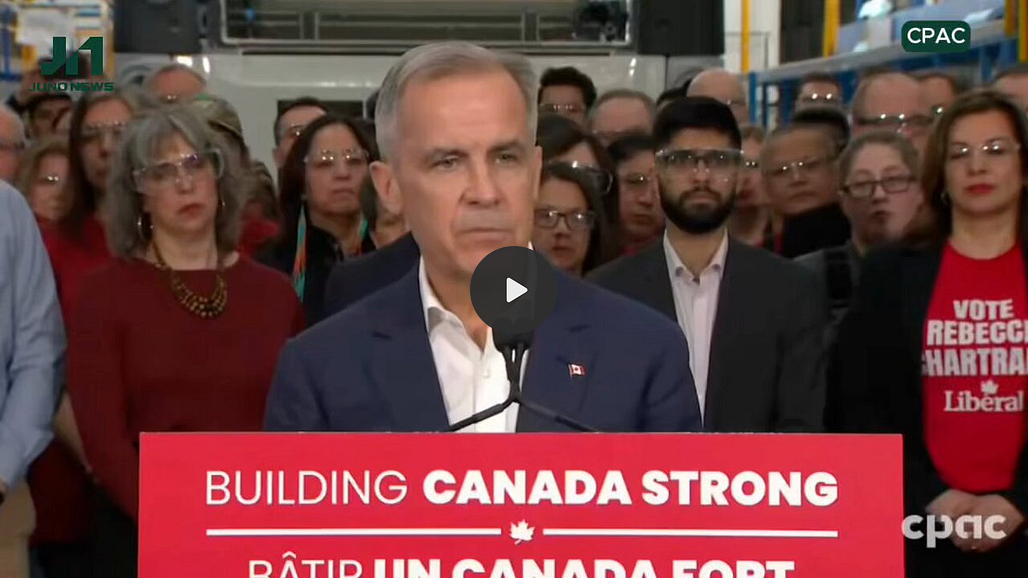
Smith urged Prime Minister Mark Carney’s government to accept the ruling rather than pursue another appeal.
“The Alberta Court of Appeal just ruled that C-69 remains largely unconstitutional,” she said.
“I’m calling on the Federal Government to accept this ruling, refrain from yet another appeal, and immediately work with Alberta and the other provinces to clean up this flawed Trudeau-era legislation once and for all so it no longer inhibits economic development in our country.”

The Canadian Constitution Foundation (CCF), which intervened in the case, welcomed the decision.
“Ottawa’s attempt to sidestep the Constitution has been defeated once again,” said CCF interim executive director Christine Van Geyn.
CCF lawyer Heather Treacy said federal legislation can address a provincial project’s federal effects but cannot use those effects as a constitutional “hook” to regulate the entire project.

The Canadian Taxpayers Federation (CTF), another intervener, also applauded the ruling.
“We are pleased to see the court side with taxpayers and hardworking people who want to get this country’s resources out of the ground,” said CTF Alberta director Kris Sims.
“Alberta and other provinces must have the right to develop their resources and create jobs without interference from Ottawa. Full stop.”

Ottawa maintained that its 2024 amendments addressed the Supreme Court’s constitutional concerns. The dispute centres on how far federal environmental oversight can extend into provincially regulated projects.
Like the Supreme Court’s 2023 decision, Friday’s ruling was a constitutional reference opinion rather than a judgment formally striking down the legislation.
The Impact Assessment Act remains in force, and existing projects and federal assessments are not automatically halted.
On Oct 10th I checked CTV national news website, no reports on this very important constitutional ruling. The first line in CBC news website "The Alberta Court of Appeal has ruled the federal government's Impact Assessment Act is still unconstitutional." When I asked my very left leaning in-laws from BC what this ruling is related to, they had not idea. Thanks CBC for reporting. Only at the end of the CBC news website story does CBC briefly explain the no more pipelines law implications.
"Like the Supreme Court’s 2023 decision, Friday’s ruling was a constitutional reference opinion rather than a judgment formally striking down the legislation."
Forgive me for my both my cynicism and education in plain English, as opposed to legal-speak, but what exactly does this now mean?
I have read this twice. It seems Canada's courts are really good at spending money and time "ruling" that we need another "ruling".
So while I'm delighted at this finding by Alberta's highest court, that's all it is: a finding. An opinion.
This country, holy crap, it will be amazing what's left of it by 2030.