

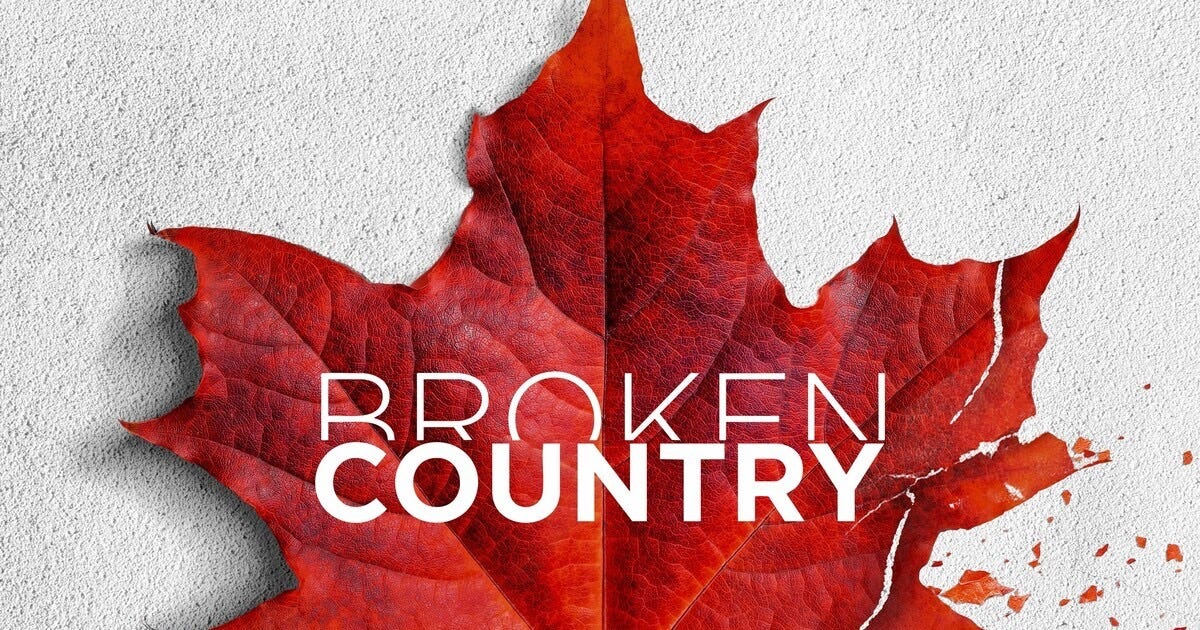
A new documentary is coming out that exposes the challenges Canadians face in the economy and the public health care system and disputes Prime Minister Mark Carney’s drug policy claims that “affordability” was “the best it’s been in over a decade.”
“Broken Country”, a documentary made by Mira Metter and her husband Mike Werry, will be available to watch in “select theatres” by the end of the month.
In an exclusive interview with Juno News, Metter noted that the documentary involves over 4,500 street interviews from “coast to coast” and includes around 70 interviews with experts, all with the goal of documenting why Canadians feel like their standard of living has declined over the last decade.
“Broken Country is really a film that came about through conversations that were increasingly happening around me and noticing how day-to-day life in Canada had changed,” Metter said.
“Whether I was talking with my husband, friends, parents, different business owners that I know in my community, everyone seemed to be dealing with some version of the same problems.”
She added that she really wanted to hear from everyday Canadians — not politicians with agendas — and learn about their unique experiences by asking the same questions across Canada.
“Everyday life was getting harder, and people were becoming increasingly more frustrated,” she said. “And so this film came about because I kept asking myself, like, what has happened to this country that I love, that I’m born and raised in, that I’m raising my children in? What’s happened, and how did it happen?”
A look at the trailer for the documentary, released on X in June, highlights some of the topics the film explores, including Canada’s public healthcare system, affordability, crime, immigration, and fiscal policy.


Metter said there were common themes she and her team heard from across Canada — from numerous people being unable to access healthcare to concerns about crime and safety and watching their businesses “struggle” or coping with companies making sweeping layoffs.
“We never asked people (how) they were voting or what sort of political camp they stood in, but no matter what province, city, age, demographic, creed they belong to, everyone was suffering the same sorts of issues: affordability, healthcare, and the inability to access healthcare and how that’s had negative impacts on either themselves personally or people in their immediate family,” she said.
She noted how polarized Canada’s political environment has gotten, yet Canadians across the country often agreed on the issues facing the country.

When asked if what she discovered on the streets and from experts correlated with Prime Minister Mark Carney’s declaration that “affordability is the best it has been in over a decade” in March, she said the opposite seemed to be true from her interviews.
“I think that’s part of the issue — is that what people are hearing from different streams is not really correlating to live reality, and I think that being able to have a real open conversation about that is something that needs to come more to the front lines of day-to-day conversations and dialogue with people,” she said. “Affordability is definitely a major issue, and it’s becoming increasingly so today.”


Metter and Werry’s documentary has gained international attention, with Fox News highlighting the project.
“I think that the issues that Canada has been facing are not really necessarily entirely unique to Canada. I think that most Western societies are dealing with similar issues to the ones that we’ve faced,” she said.
“I think the Americans recognize that the reality that we’re facing here on the northern end of the border is the result of — and this is echoed throughout the documentary — bad policy over a prolonged period of time.”
The film will be available in select theatres at the end of the month and will potentially be available from other sources “towards the end of October.”
Unaffordable west is due to mass immigration. Mass immigration is a western phenomenon.
Look up the population of your city in 50 or 25 years ago.
e.g. https://en.wikipedia.org/wiki/Golden_Horseshoe#Demographics
2001 5,982,668
2021 7,759,635