

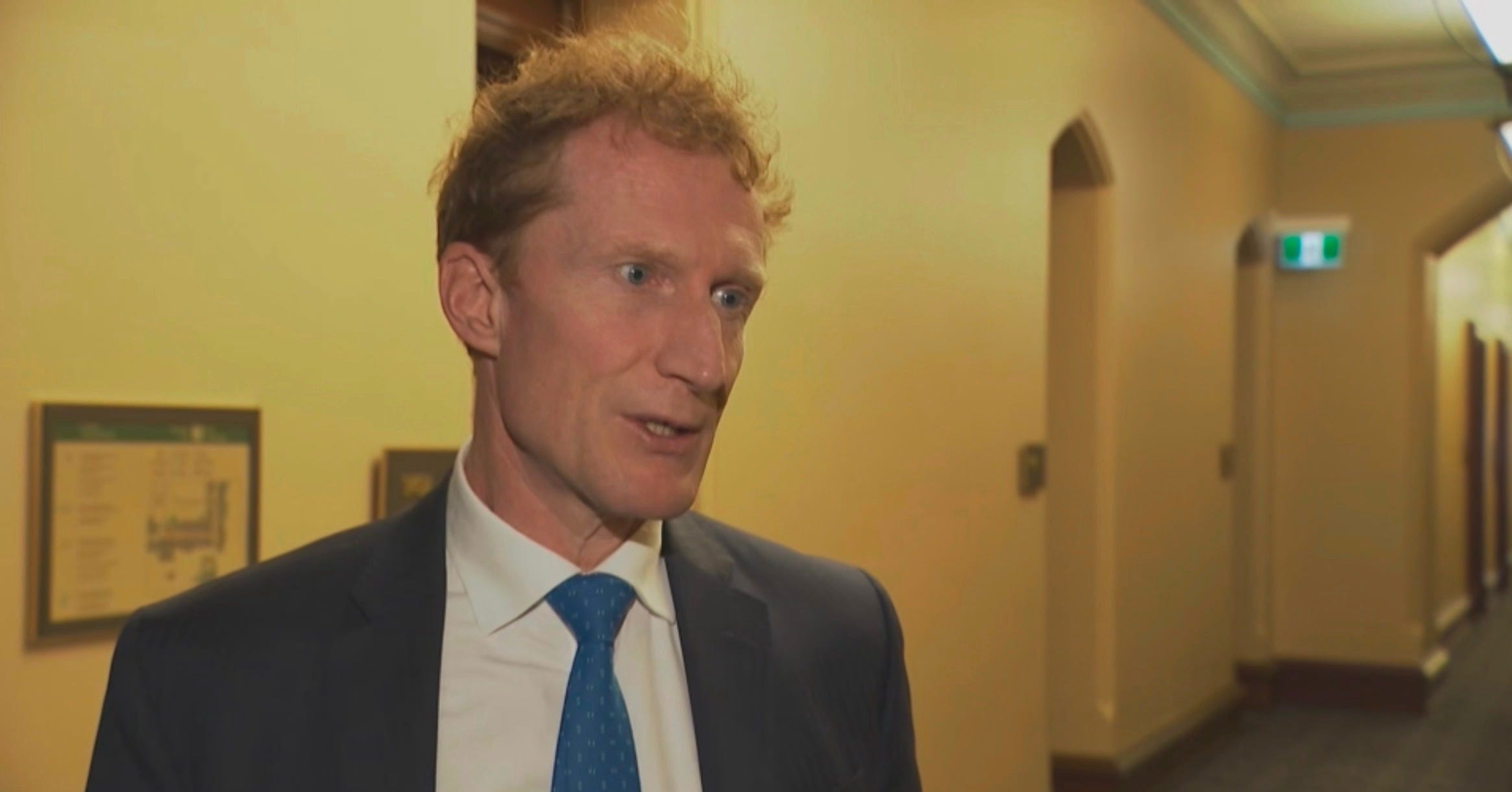
The Carney government’s latest internet regulation bill will attempt to navigate the “fine line” between what constitutes “legitimate and illegitimate discussion” online, according to Heritage Minister Marc Miller.
“There needs to be a space online for discussion,” Miller told reporters.
“What constitutes legitimate and illegitimate discussion is a very fine line that has a lot of views from people, particularly around very important things like freedom of expression.”
Bill C-34, the Safe Social Media Act, was introduced June 10 and is currently at second reading in the House of Commons, with no second-reading debate yet held.
The legislation would establish a federal Digital Safety Commission with regulatory and enforcement powers over covered online platforms, according to Blacklock’s Reporter.
The commission could police platforms, investigate complaints and impose fines of up to $10 million or 3 per cent of global revenue for certain violations.
Bill C-34 targets seven categories of “harmful content,” including hate, violence, terrorism and ideologically motivated attacks on Canada’s institutions or “social stability.”

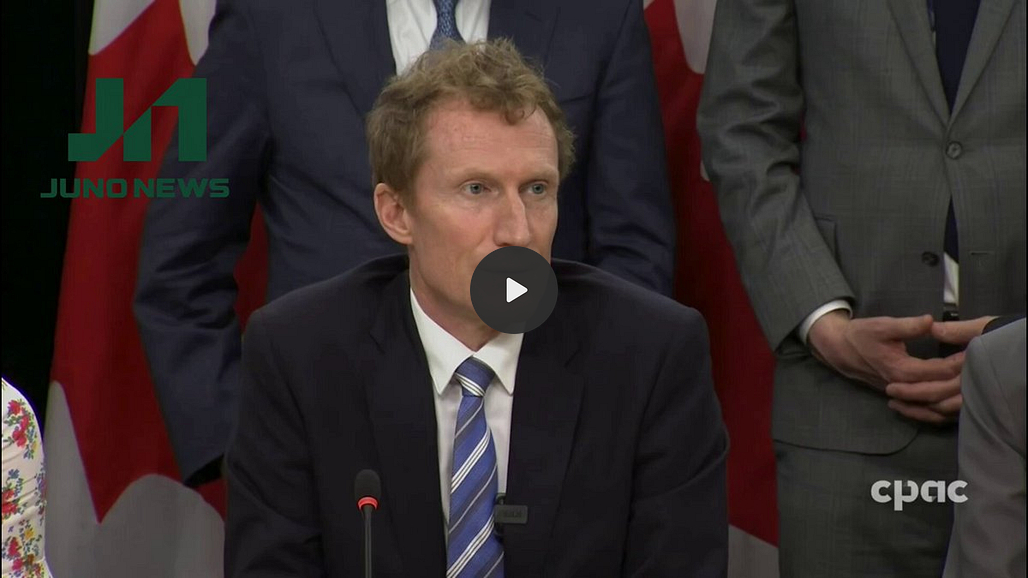
The legislation includes safeguards stating that measures taken by platforms must not “unreasonably or disproportionately” restrict users’ expression.
Asked whether enforcement would be complaint-driven, Miller said it “could be,” while pointing to misinformation, disinformation and online gambling as areas where Ottawa wants platforms to be “safe by design.”
Asked whether Reddit forums could fall under the legislation, Miller said they “may or may not be caught.”

But child safety remains the government’s central argument for the legislation.
Bill C-34 would prohibit children under 16 from holding accounts on prescribed social media services and require those platforms to implement age verification or age estimation measures.
That could mean adult users would also have to provide their ID to verify their age to access covered services, depending on how the regulations are ultimately implemented.
“Children are falling victim to sexual abuse, cyberbullying and extreme violence online,” Prime Minister Mark Carney said. “The current status quo is failing our kids, and we’ll not stand by it.”
Carney has vowed to press ahead with the legislation this fall.
“We are fighting for Canada to lead the world in building the smart, safe digital tools of the next decade,” he told Liberal MPs ahead of Parliament’s return.
“This fall we will press ahead with the Act to protect Canadians online.”


Critics, however, warn the legislation could have broader implications for privacy and free expression.
University of Ottawa law professor Michael Geist has warned that the under-16 ban raises “serious privacy concerns” for millions of Canadians.
Geist described C-34 as an “everything-at-once” approach combining elements of the former Online Harms Act with an under-16 social media ban, pornography age verification, AI chatbot regulation and the Digital Safety Commission.
He argued a narrowly focused child safety bill could win broad support, but Ottawa instead bundled it with age verification and a powerful commission governed by undefined criteria.
Canadian Constitution Foundation litigation director Christine Van Geyn has raised similar concerns over free expression.
“This bill is a sneak attack on our constitutionally protected right to free expression,” Van Geyn said.
“The government knows it cannot directly ban unpopular, rude, divisive, transgressive or even offensive speech, so it is outsourcing this censorship role to online platforms by creating a regulatory chill.”

Miller has acknowledged the government wrestled with where to draw the line.
“We had long policy discussions about what should be in and out of this bill,” he said. “It’s a trade-off. There are reasonable restrictions on rights in this country.”
The legislation marks Ottawa’s latest attempt to overhaul online regulation after two previous Liberal bills failed to become law.
Bill C-36 died when the 2021 election was called, while Bill C-63, the Online Harms Act, failed to pass before Parliament was prorogued in 2025.
C-34 incorporates elements of that previous online harms framework while adding an under-16 social media restriction and age verification regime.
Carney had already signalled during the 2025 election campaign that his government would target what he described as online “pollution.”
“There are many serious issues that we’re dealing with,” Carney said, citing “misogyny, anti-Semitism, hatred, conspiracy theories” and other content he said “washes over our virtual borders from the United States.”
“My government, if we are elected, will be taking action.”