

Liberal “chain migration” bill is now law, despite Conservative concerns
The Liberal government’s controversial “chain migration” bill, Bill C-3, is now law despite strong Conservative objections.
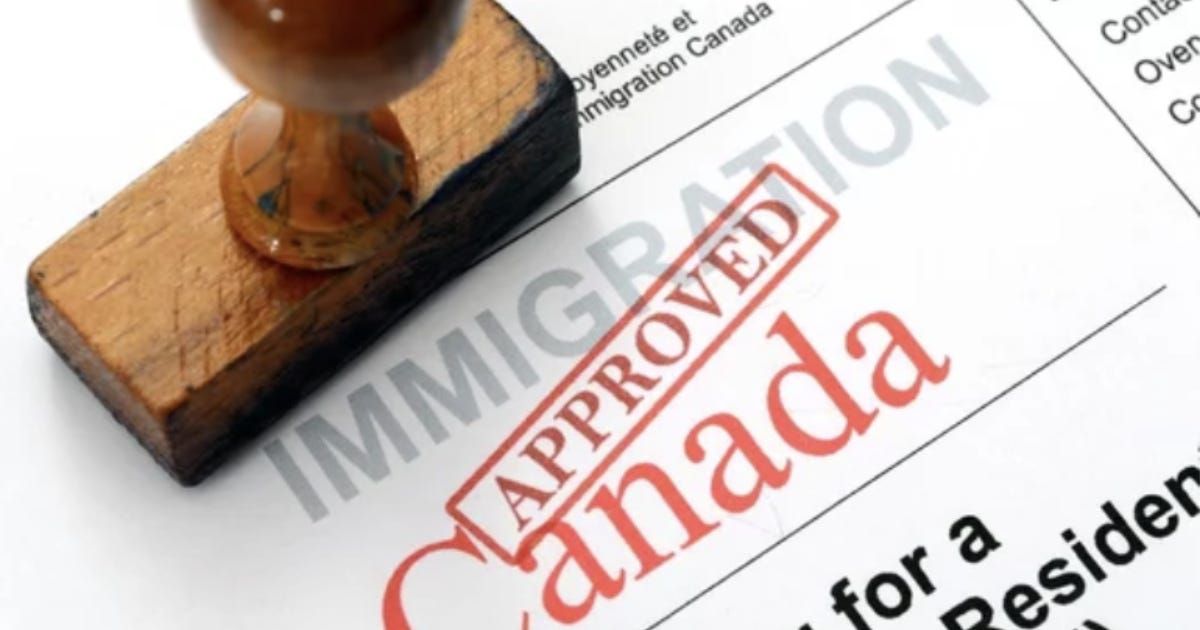
The Liberal government’s controversial “chain migration” bill, Bill C-3, is now law despite strong Conservative objections. The bill grants Canadian citizenship to the foreign-born children of immigrant citizens, even if those children have never been to Canada.
Immigration, Refugees and Citizenship Canada announced Monday that the federal government’s Bill C-3, dubbed by Conservatives as the “chain migration bill,” came into effect Monday.

“Moving forward, people born before December 15, 2025, who would have been citizens if not for the first-generation limit or other outdated rules, will be Canadian and can now apply for proof of citizenship,” the announcement reads. “A Canadian parent born or adopted abroad can now pass on citizenship to their child born or adopted outside Canada today or in the future, provided they can demonstrate at the time of application that they spent three years in Canada prior to their child’s birth or adoption.”

The bill passed in the House of Commons on November 3 with the support of the NDP. Bloc Québécois and Conservative amendments to the bill, which would have introduced language requirements, security checks and more substantial proof of ties to Canada, were stripped despite passing in committee.
Conservatives also attempted and failed to pass an amendment to the bill. It would have required prospective citizens to have been born while one of their parents was a citizen, rather than retroactively granting citizenship to the children of new citizens.
During a House of Commons immigration committee in October, Liberal Immigration Minister Lena Metlege Diab avoided answering whether she could assure Canadians that the new citizens introduced by the bill would be vetted and would not pose a security risk to Canada.
Before this bill became law, children of parents who were not born in Canada but became citizens through immigration were not automatically granted Canadian citizenship.
In December 2023, the Ontario Superior Court of Justice declared parts of the Citizenship Act relating to the first-generation limit to citizenship by descent unconstitutional. The Government of Canada did not appeal the ruling.
Conservatives criticized the federal government for not appealing the decision, instead opting to legislate “chain migration.”
Those granted citizenship due to this bill will not be recorded in typical government numbers for immigration and migration, as most government data records migrants from temporary streams or those granted permanent residency.
In December of last year, the Parliamentary Budget Officer estimated that a previous iteration of the bill would grant citizenship to approximately 115,000 people over five years, at a cost to taxpayers of $20.8 million during the same period.
When are Canadians going to WAKE UP to this kind of insanity brought in by this corrupt Liberal government. Immigration is the most contributing factor to housing shortage, heath wait times, and CRIME
It's called STACKING THE DECK.
Legalized vote fixing to the benefit of Liberals.
All planned and executed.
Bye Canada.