

Hoekstra says U.S. ‘does not need Canada’ ahead of trade deal review
The United States “does not need Canada,” declared U.S. Ambassador to Canada Pete Hoekstra, delivering a blunt and controversial message.
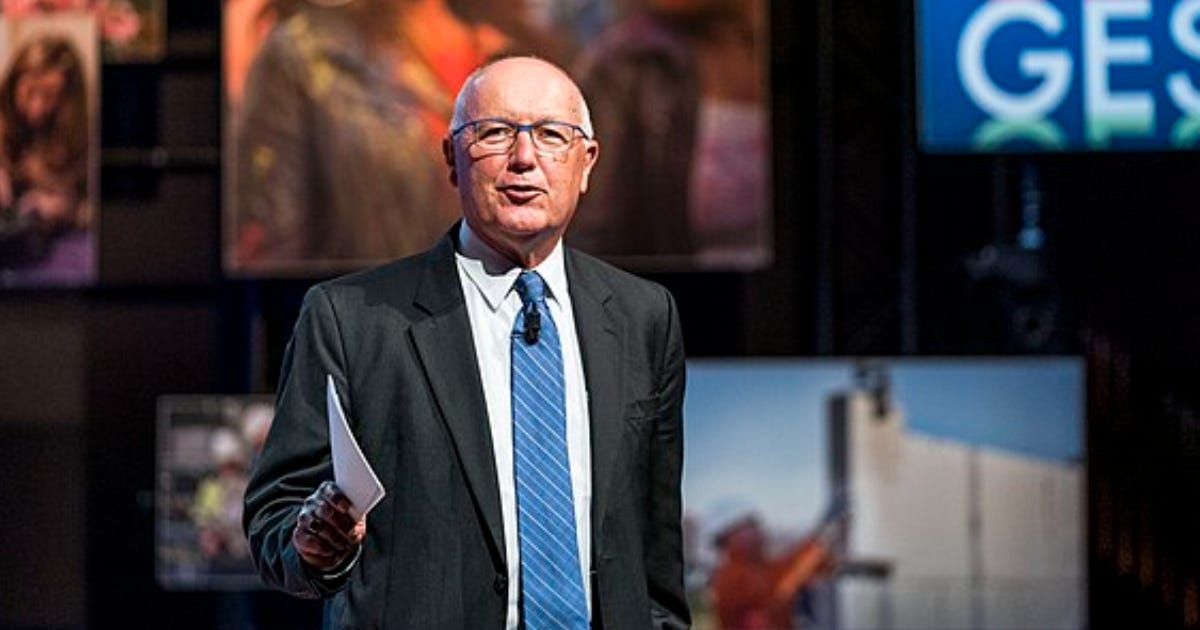
The United States “does not need Canada,” declared U.S. Ambassador to Canada Pete Hoekstra, delivering a blunt and controversial message just before the mandatory review of the U.S.-Mexico-Canada-Agreement.
Hoekstra made the remarks in a wide-ranging radio interview this week with host Elias Makos on Montreal’s CJAD 800. He was responding to recent comments by U.S. President Donald Trump that the United States could replace Canadian-made products.
“No, we don’t need Canada,” Hoekstra said. However, he acknowledged decades of deep economic integration under NAFTA and its successor, CUSMA.
He noted that North American supply chains were deliberately built by businesses on both sides of the border, creating “a tremendous amount of prosperity and wealth and a tremendous number of high-quality, high-paying jobs.”
Trump, speaking Tuesday during a visit to a Ford factory in Michigan, repeated his view that the United States should produce more vehicles domestically. He suggested the continental trade framework was less important to the U.S. than to Canada and Mexico.
CUSMA faces a mandatory review this year. If all three countries agree, the pact will be extended for another 16 years. Otherwise, the agreement would enter annual reviews until it expires in 2036.
Hoekstra said the review’s outcome will depend on decisions made by the involved governments.
“Hopefully this fall we will have a new outline of how we do business together,” he said, adding the direction could determine whether Canada-U.S. commercial ties “will foster and grow or whether Canadian companies and American companies will go their separate ways.”
Makos raised what he described as rising alienation among Canadians toward the United States, citing boycotts and polling showing declining favourability.
Hoekstra said Canada is free to take steps it believes strengthen its negotiating position, but warned such moves set a tone for negotiations.
“We haven’t banned any Canadian products in America,” he said, adding that neither the Trump administration nor U.S. governors have acted on calls to boycott Canadian goods.
Hoekstra also criticized what he described as personal attacks by Canadian officials against Trump, arguing no equivalent attacks have been directed at Prime Minister Mark Carney by U.S. officials.
“The president is his own messenger,” Hoekstra said.
The ambassador also raised the possibility of reviewing U.S. pre-clearance operations in Canadian airports — where U.S. Customs and Border Protection officers screen travellers before entry into the United States — if cross-border travel continues to decline.
“I’d have to report to Washington and say our resources may be better spent somewhere else,” he said.
Hoekstra also warned about China’s role in North American trade. He said that while Canada can pursue trade with Beijing as a sovereign country, the U.S. could respond if Chinese-made products enter North America through Canada.
“If you’re allowing EVs and other vehicles to come in from China,” he said, “don’t necessarily expect that the U.S. border is going to be porous.”
Despite the tensions, Hoekstra said he remains optimistic the countries can reach a workable outcome.
“I’m hopeful we end up in a good place,” he said.
“The United States “does not need Canada,” declared U.S. Ambassador to Canada Pete Hoekstra,”
Well said. Carney Canadians have made their “strategic, pragmatic, decisive” choice.
Burn baby burn.
Pretty much all you need to know Canada.
The weird sock jerk and Liberals.
The WEF/GLOBALIST "New World Order" idiot and Liberals.
OntArWeOwes loud mouth buffoon of a Premier.
Eby... etc.. etc..
All complicit.
The USMCA is all but dead now and Canada... You did it to yourselves.
Long live the USMCA.
The WAKE details to be released soon.