

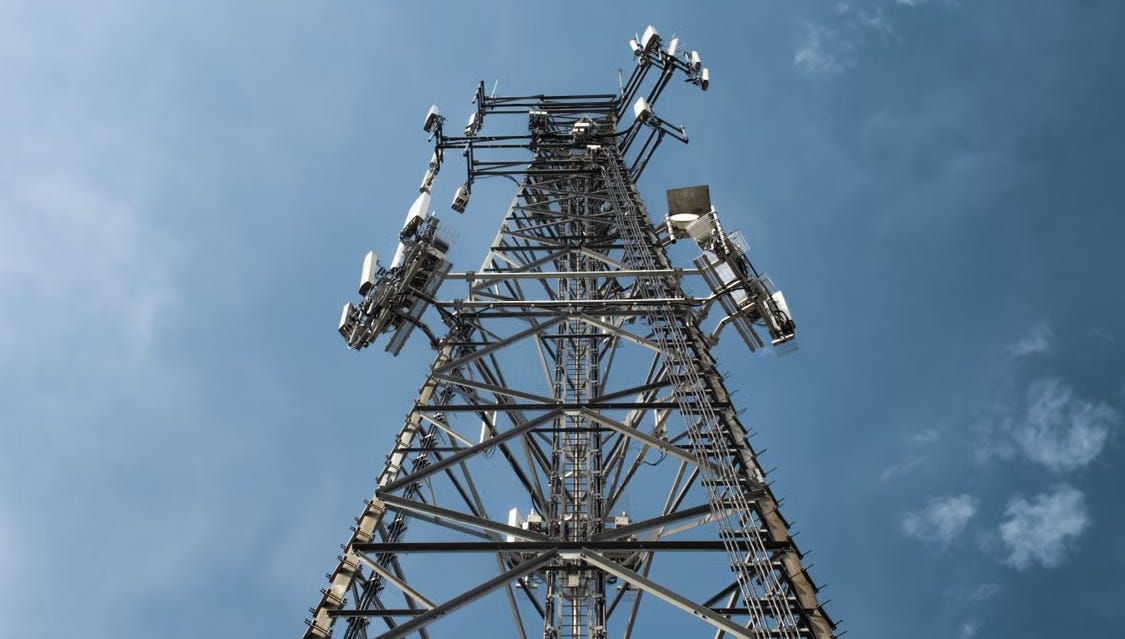
A cell tower could soon be proposed and built near your home without anyone having to tell you.
At least, that is one of the changes Ottawa is considering as it looks to speed up the construction of wireless infrastructure across Canada.
The federal government says its proposed overhaul of cell tower siting rules would reduce the regulatory burden on companies building towers. Frank Clegg, chairman and CEO of Canadians for Safe Technology, says the price could be paid by residents who lose their chance to speak up.
“One of the biggest changes is they are proposing that there’s no notice that needs to be given if the cell tower is less than 15 metres in height,” Clegg told Juno News in an interview.
An exemption for towers under 15 metres already exists, but telecommunications operators, third-party tower owners, and broadcasters cannot currently use it.
Ottawa is considering extending it to those companies, allowing qualifying towers to proceed without public notice or consultation with the local land-use authority, usually a municipality.
Innovation, Science and Economic Development Canada (ISED) is also asking whether 15 metres is the right cutoff.
For towers that still require consultation, the government proposes replacing municipal tower-siting processes with a single national process. A sign at the proposed site would direct people to information on an online portal.
Residents with questions would contact the company proposing the tower.
Municipalities would have 45 calendar days to say whether they agree or object. If they do neither, ISED proposes treating the tower as approved. The department also plans to define which concerns would count as valid grounds for a municipal objection.
Clegg worries a council could miss that deadline before it has had a proper chance to examine a proposal.
“Local towns and councils, they don’t even meet every 21 days,” he said while discussing a shorter deadline that he says Bell has requested. “It’s possible this tower notice could go up before the council even has a chance to meet.” Bell’s reported request has not been independently verified for this article.
Clegg acknowledged that municipalities do not have the final say over federally regulated towers. Their role, he said, is to raise concerns and work with companies on a suitable location. In his experience, that discussion can result in a tower going ahead at a different site.
Better coverage matters, particularly in rural communities. Clegg said his group is not asking Ottawa to stop building towers.
“We’re not saying don’t expand the cell tower network,” he said. “What we’re saying is you don’t eliminate anybody’s right to give you feedback and say, look, maybe there’s a better way to do this.”
The changes to tower siting remain under consultation. ISED has extended the deadline for replies to submissions until October 6. The outcome of the consultation will determine how much notice neighbours receive, how long municipalities have to respond, and how readily a company can proceed when no objection arrives.
Bell, Rogers, Telus, and the Federation of Canadian Municipalities did not respond to a request for comment.


