

Edmonton seeks photo radar exemptions as province pushes back
The City of Edmonton told True North it’s gearing up to bring back controversial speed-on-green photo radar at high-risk intersections.
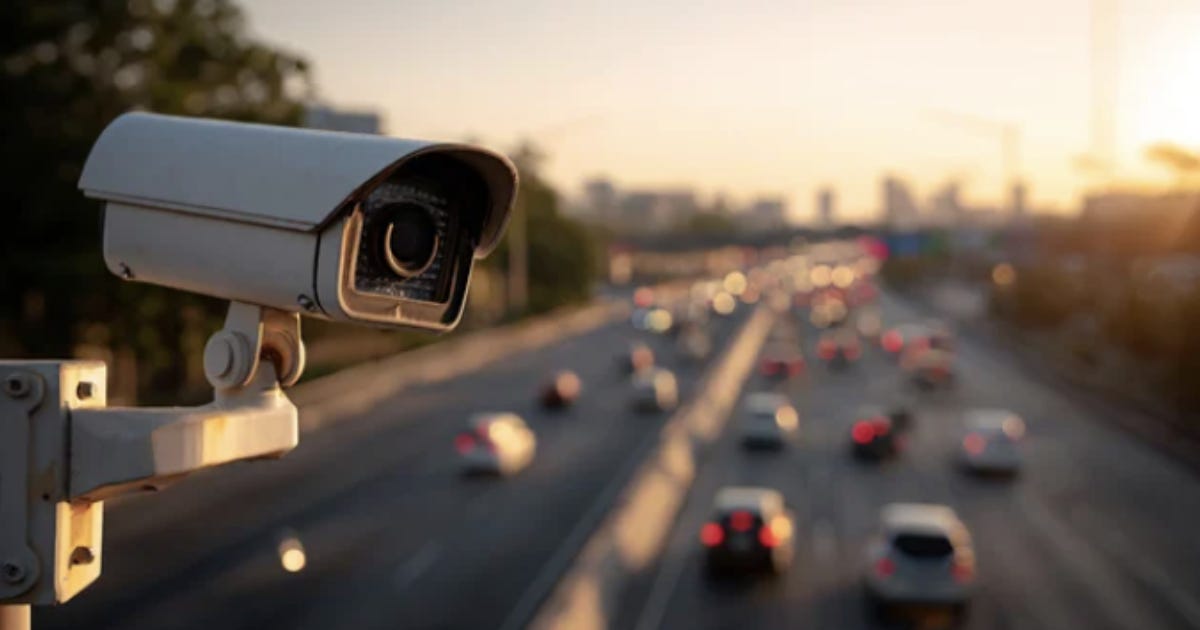
The City of Edmonton told True North it’s gearing up to bring back controversial speed-on-green photo radar at high-risk intersections, even as the Alberta government stands firm on its position against expanding automated traffic enforcement.
Jessica Lamarre, Director of Safe Mobility for the City of Edmonton, told True North the province’s criteria require cities to show one of three conditions: an intersection’s collision ratio is at least double the average of five similar intersections, the intersection sees at least 50 crashes annually, or evidence of traffic fatalities or serious injuries.
On top of meeting one of those criteria, the municipality must also prove that other safety measures have been ineffective or are not possible.
Lamarre provided 10 examples of intersections that would meet the requirements for photo radar. Six of the examples had over 50 crashes a year, and four showed evidence of serious injuries. For example, 118 Avenue and Wayne Gretzky Drive had 8,778 speed violations and 410 high-speed violations annually between 2022 and 2024.
She added that traffic calming measures have led to the best speed limit compliance in playground zones.
“The intersections that the City is seeking automated enforcement for are all on higher-capacity arterial roads. Engineering changes and traffic calming measures are not possible or not effective at these intersections due to the higher speed limits and capacity of these roads that take people across the city,” said Lamarre.
The city is also planning to increase “traditional enforcement” by hiring additional peace officers.
However, the Ministry of Transportation told True North that the provincial government has no plans to expand photo radar beyond the current framework.
“Any use of automated traffic enforcement must meet the provincial guidelines, which focus on high-risk locations such as school, playground, and construction zones. Any new site must meet the approval criteria, including clear evidence of collisions, proof that other safety measures have not worked, and a commitment to implement complementary strategies alongside photo radar,” said a ministry spokesperson.
They added that the city of Edmonton has already submitted two exemption requests, which are currently under review.
“Alberta’s government has also launched a $13-million Traffic Safety Fund, which municipalities can apply to until January 15, 2026, for real safety improvements such as crosswalk upgrades, traffic-calming measures like speed bumps, and intersection redesigns,” added the spokesperson. “We will keep working with municipalities and law-enforcement partners to improve safety based on evidence, transparency, and accountability.”
The City of Edmonton told True North that revenue from photo radar would fund traffic safety programs through the Traffic Safety and Automated Enforcement Reserve.
“Municipalities collect less than half of automated enforcement fine revenue. The provincial government collects the majority at 50 per cent, and a further 10 per cent goes to fund local victim services,” said Lamarre.
She explained that since photo radar was removed, excessive speeding has increased, including an 87 per cent increase in vehicles travelling between 20-29km/h over the limit.
“Speed was a factor in every collision and was the direct cause of 57 per cent of traffic fatalities in 2023,” said Lamarre.
However, Edmontonians aren’t buying it.
“Or we could stop letting immigrants drive,” said one user.
“They think it’s the cameras but it’s mass unvetted immigration,” said another.

Another user asked: “They doubled the population with third-worlders, what do they expect?”