

Eby government pushes involuntary synthetic opioid treatment for youth
Eby unveiled new guidance enabling doctors to administer overdose-prevention drugs, including long-acting Buprenorphine, to youth held involuntarily under the Mental Health Act.
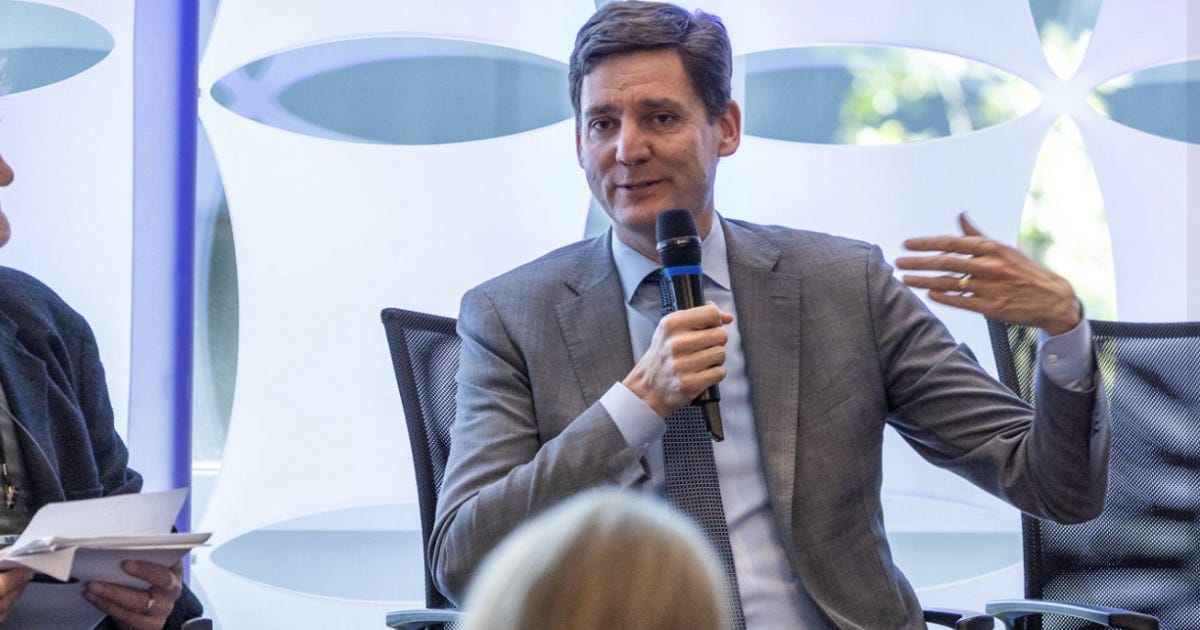
B.C. Premier David Eby on Friday unveiled new guidance enabling doctors to administer overdose-prevention drugs, including long-acting Buprenorphine, to youth held involuntarily under the Mental Health Act, marking yet another attempt by the province to curb its unrelenting overdose crisis.
Buprenorphine is widely described by health officials as one of the “safer and more effective” medications for opioid-use disorder. Yet it remains surrounded by significant controversy, particularly in debates over abstinence-based versus medication-assisted treatment models.
Commonly offered under the brand name Suboxone, the drug—often praised as “life-saving” by its proponents—has long drawn criticism for a number of reasons. Among them are arguments that it simply replaces one addiction with another, concerns that many patients remain dependent on the drug for years or indefinitely, and questions about the ethics of what some see as a triangulated relationship between political actors, lobbyists, and the pharmaceutical industry.
Dr. Daniel Vigo, the province’s advisor on psychiatry, toxic drugs, and concurrent disorders, defended the policy change while speaking to reporters on Friday.

Multiple parents of youth who died from overdoses—including one parent who said their child had been “given a bus ticket” and discharged from the hospital without their consent shortly before tragically dying from an overdose—said the ability to hold their child involuntarily could have made a difference.
However, the major shift in messaging is centred on the administration of Buprenorphine, not on involuntary care itself.
Because Buprenorphine is itself a synthetic opioid, longstanding debate persists over whether its use constitutes genuine “recovery” or merely a shift from one dependence to another.
Vigo noted another challenge on Friday: the drug can only be administered after a certain period of detox.
Buprenorphine’s extremely high affinity for opioid receptors means that taking it too soon after fentanyl or heroin can trigger precipitated withdrawal — an “extremely unpleasant” reaction that frequently deters people from reattempting induction.
This points to another unresolved and politically sensitive problem identified by critics of the government’s broader drug strategy: the practical absence of facilities capable of providing the detox required before Buprenorphine can be safely administered.
Under the province’s own publicly maintained listing of licensed substance-use treatment facilities, compiled by the BC Centre on Substance Use, virtually all adult bed-based treatment centres “support clients receiving opioid-agonist therapy.” In effect, there are few—if any—licensed, government-funded, abstinence-only facilities where full detox can take place.
In other words, the overwhelming majority of treatment plans for people with opioid addiction in B.C. continue to rely on prescribing more opioids.
Some clinicians within these facilities openly advocate for long-term or even lifelong Buprenorphine treatment — a stance that has coincided with the drug becoming enormously profitable.
Buprenorphine has been particularly lucrative for pharmaceutical companies in the United States, where critics note that Suboxone was aggressively marketed to both the public and policymakers, including lobbying campaigns pushing for looser prescribing restrictions.
Dr. Julian Somers, a Simon Fraser University professor and clinical psychologist who has long stood out as an outspoken safe supply skeptic, also chimed in with an X response following Eby’s guidance announcement — calling it “new depths of addiction insanity.”
“Rather than improving foster care and supporting successful transitions to adulthood, BC’s Premier is forcing those kids to receive pharma implants. Grotesque parenting,” Somers wrote.
That is about the laziest way I have ever heard to protect kids from overdoses. Instead of more drugs, maybe we should be starting detox rehabilitation. Eby is making bundles from pharma.
I think many have something else in mind for Eby when it comes to things "Involuntary".