

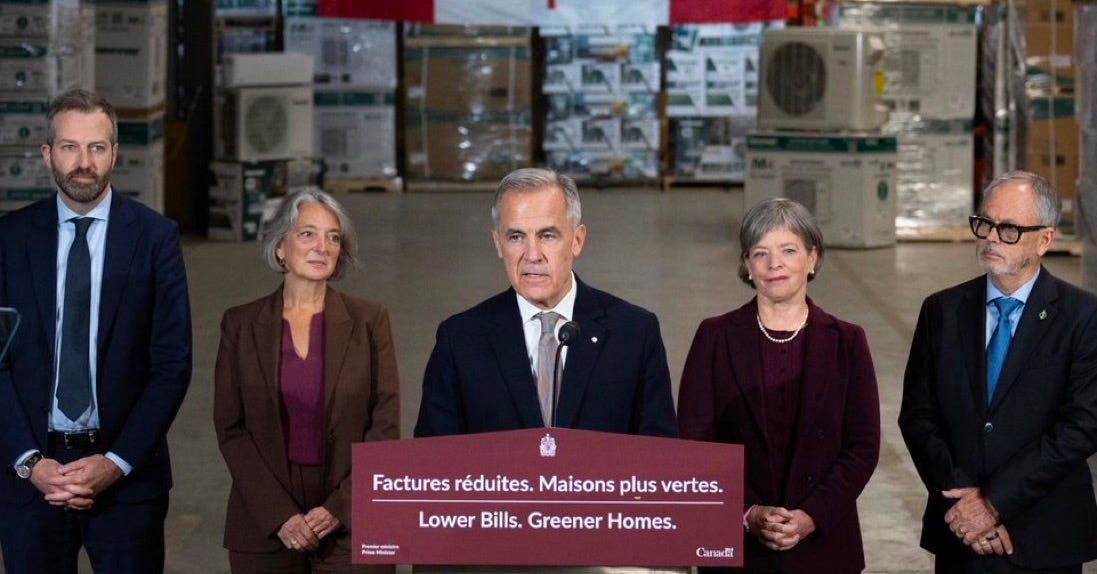
Prime Minister Mark Carney is facing conflict-of-interest allegations over his $2-billion heat pump rebate program after ethics filings revealed past investments in manufacturers that could benefit from the taxpayer-funded subsidies.
“How is that not corrupt?” Conservative MP John Brassard, chair of the Commons ethics committee, demanded in the House of Commons on Thursday.
“The conflict of interest is so blatantly obvious, but what’s surprising is the Prime Minister’s not even hiding it anymore,” Brassard said.

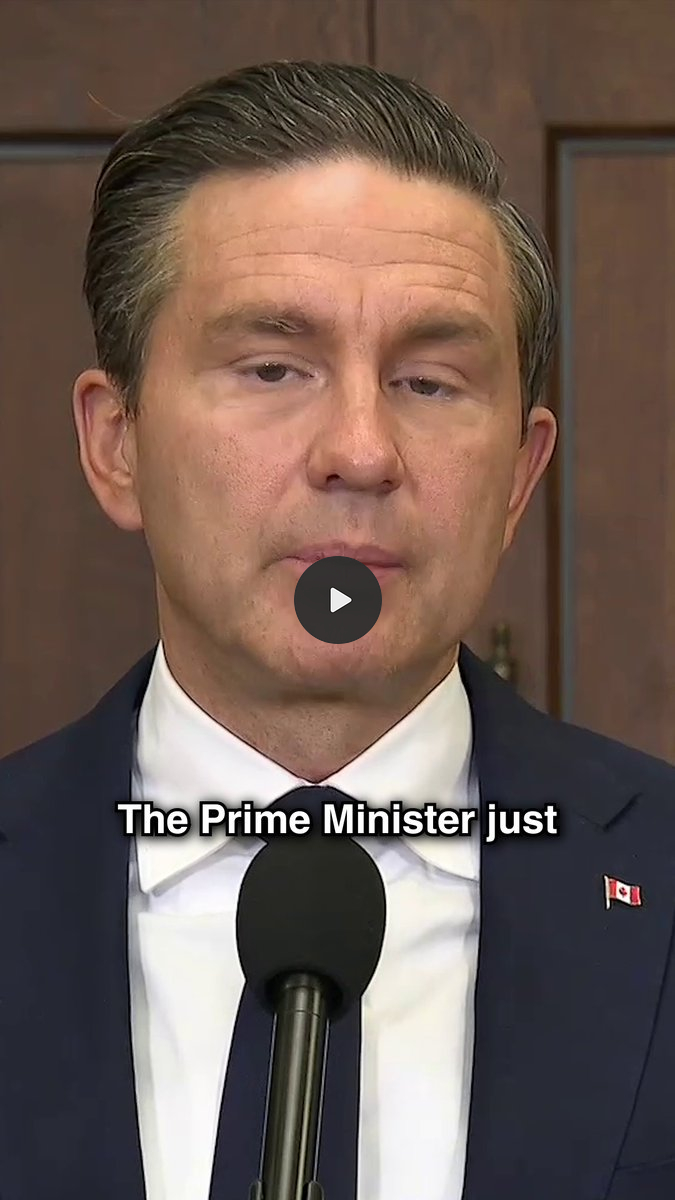
Conservative Leader Pierre Poilievre also accused Carney of directing taxpayer money toward Brookfield-connected businesses while speaking to reporters on Parliament Hill before question period.
“The Prime Minister just finished announcing he’s going to take $2 billion out of the pockets of Canadians and give it to companies like those owned by Brookfield,” Poilievre said.
He argued Canadians should decide for themselves whether to purchase heat pumps rather than have Ottawa redistribute their money.
The rebates, however, are intended for homeowners rather than direct corporate grants, although manufacturers and installers could benefit from increased demand.

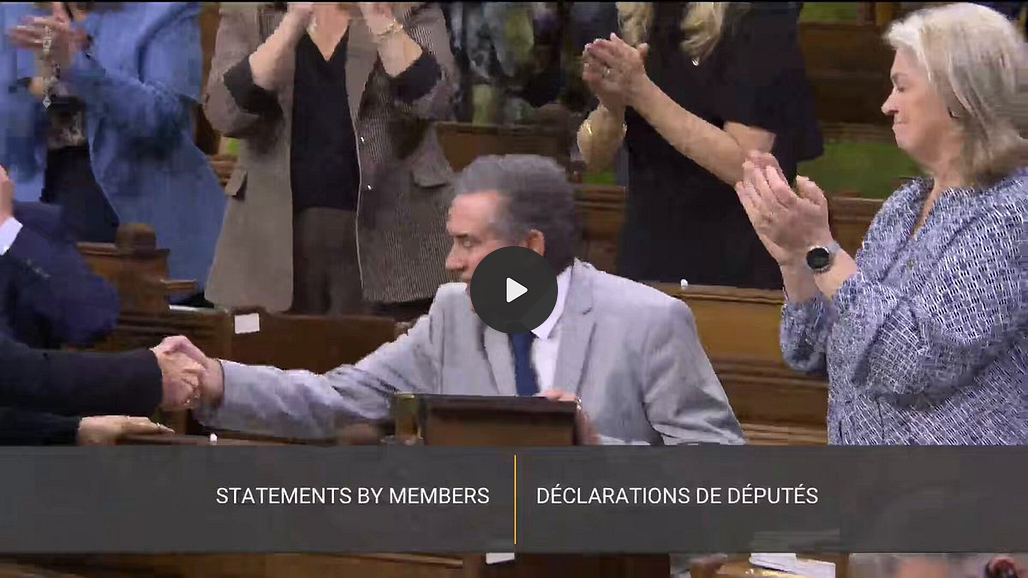
Brassard went further, alleging Carney stood to profit personally through his financial interests.
“He stands to make millions in deferred stock units, stock options, and carried interest,” Brassard said.
“Today’s $2-billion taxpayer-funded announcement increases the value of his personal assets and Brookfield’s.”
Carney’s July 2025 ethics disclosure identified historical investments in hundreds of companies, including heat pump manufacturers Trane Technologies, Carrier Global Corp. and Mitsubishi Heavy Industries, Blacklock’s Reporter first reported.
The securities included holdings in a third-party-managed account in which Carney did not direct investment selections.
His investments were placed in a blind trust, while an ethics screen limits his involvement in Brookfield-related matters, with exceptions for decisions of general application.
The disclosure does not establish the current value of his investments or whether he continues to hold the individual company shares.
Brassard also claimed Trane and Canadian heat pump installer Enercare were both owned by Brookfield, Carney’s former employer.
However, Trane is a separately publicly traded manufacturer, not a Brookfield subsidiary.


Natural Resources Canada’s existing Oil-to-Heat Pump Affordability Program database lists 3,152 Trane-branded heat pump configurations for Manitoba and Yukon. Their eligibility under Carney’s new program remains unconfirmed.
Trane partnered with Brookfield Renewable in July 2021 to pursue energy-efficiency projects across North America, including building retrofits. Brookfield Renewable CEO Connor Teskey subsequently described opportunities for the companies to sell services to each other’s customers and jointly invest in projects.
Carney previously served as Brookfield Renewable’s vice-chair, according to a 2020 company filing. His involvement in negotiating the Trane partnership has not been established.
Brookfield’s connection to Enercare is more direct.
Brookfield Infrastructure and its partners acquired the heating and cooling services provider in 2018 for $4.3 billion, including debt. Enercare installs heat pumps and participates in government-supported rebate programs.
Federal lobbying records show Enercare lobbied Natural Resources Canada and the Prime Minister’s Office on the Canada Greener Homes Initiative, though no link to the new program has been established.

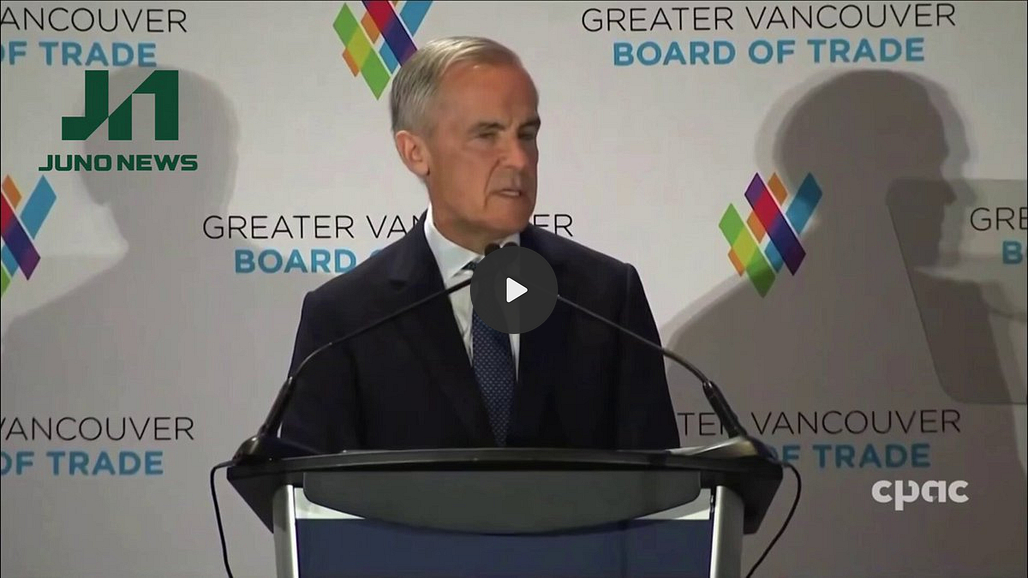
The allegations followed Carney’s announcement Thursday in Sherbrooke, Quebec, of an eight-year rebate program expected to launch in early 2027, offering up to $10,000 to eligible lower-income households and $2,000 to other qualifying homeowners.
“Today we’re announcing more than $2 billion to deliver over 1 million home retrofits to lower energy costs and create additional savings for multi-unit buildings,” Carney said.
Ottawa expects to support up to 820,000 households through rebates, with separate financing initiatives targeting another 280,000 apartment units.
“When fully taken up, these upgrades will save Canadian families more than $1 billion every year on their energy bills,” Carney said. “That is a great return on investment.”
Carney promoted heat pumps as two to three times more efficient than conventional heating, projecting annual savings of approximately $2,000 for households switching from oil and $1,400 for those replacing electric baseboards.
The government defended the rebates as an affordability measure intended to lower household energy costs and emissions.


Carney has previously described how government policies can create investment opportunities for Brookfield.
In remarks attributed to an October 10, 2024 appearance at Toronto’s Prime Quadrant Conference, Carney cited sustainable aviation fuel requirements as an example of policies making private investments commercially viable.
“Brookfield put a billion dollars to work there, and, you know, it’s a fantastic opportunity,” he said, according to a transcript of the remarks.
The previous month, Brookfield committed up to $1.1 billion to sustainable aviation fuel producer Infinium, including an initial investment exceeding $200 million and up to another $850 million subject to conditions.
Those remarks concerned aviation fuel, not heat pumps, and do not establish that Carney designed the new rebates to benefit Brookfield.

Concerns about Carney’s financial interests also predate Thursday’s announcement.
In April 2025, then-Conservative ethics critic Michael Barrett requested a lobbying investigation into potential conflicts involving Carney’s heat pump policies and Brookfield-related businesses, writing that it was “conceivable that Mr. Carney might well benefit financially.”
During a December 2, 2025 Commons speech, Brassard accused Carney of advancing a “MODEL OF PUBLIC RISK FOR PRIVATE RETURN” while advising former Prime Minister Justin Trudeau, alleging that federal investment policies could benefit Brookfield and “will make the Prime Minister millions, and he knows it.”
In an April 23 report, the Commons ethics committee recommended requiring prime ministers to sell their controlled assets rather than place them in blind trusts.
“Individuals with greater decision-making authority should be held to higher standards,” the committee concluded.
Oh, little crooked Mark opining with such wisdom: 'When we master our energy, we master our destiny." As I've said before, the garbage that comes out of this man's mouth is truly an effective alternative to Ozempic, if you're looking for ways to destroy your appetite and give you nausea. Too bad he's destroying this country alongside my breakfast.