

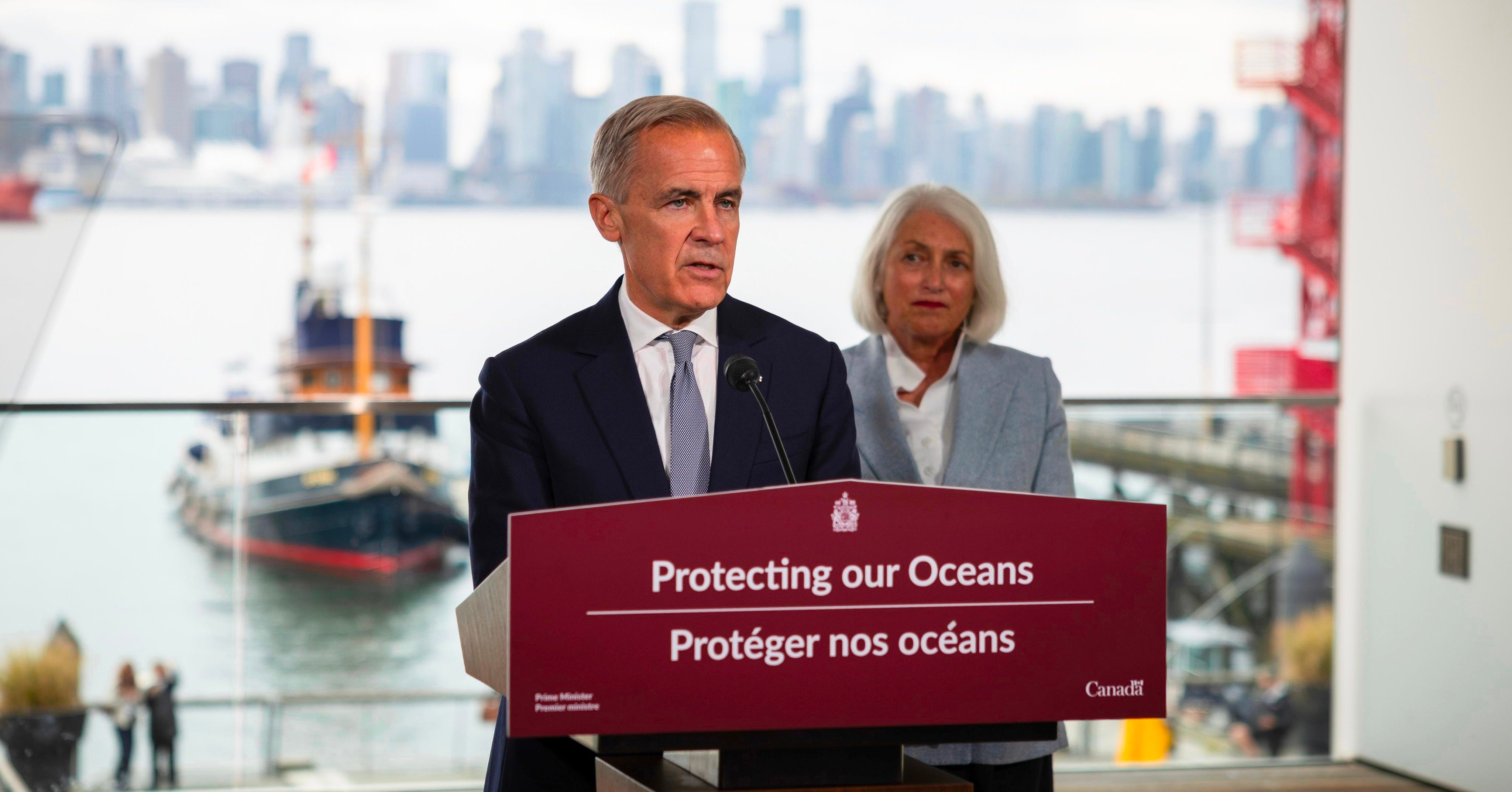
Prime Minister Mark Carney’s “Buy Canadian” push is facing an early test after LNG Canada confirmed its $33-billion expansion will once again use Chinese-fabricated steel components.
LNG Canada is moving ahead with Phase 2 of its liquefied natural gas terminal in Kitimat, B.C., with plans to double production capacity from 14 million to 28 million tonnes annually, likely by the early 2030s.
But major components will be sourced from China.
LNG Canada told CBC News it will buy additional components from Chinese state-owned COOEC, which fabricated its first two LNG processing trains.
The decision comes after Carney promoted LNG Canada Phase 2 as part of his push to build major projects with Canadian materials.
When the expansion was referred to Ottawa’s new Major Projects Office in September 2025, Carney declared such projects would be “at the heart of our new, comprehensive Buy Canadian policy.”
“To strengthen Canada’s independence, resilience and security, we will build with Canadian steel, lumber, aluminum, and by Canadian engineers and tradespeople,” Carney said.
“We will be our own best customer.”

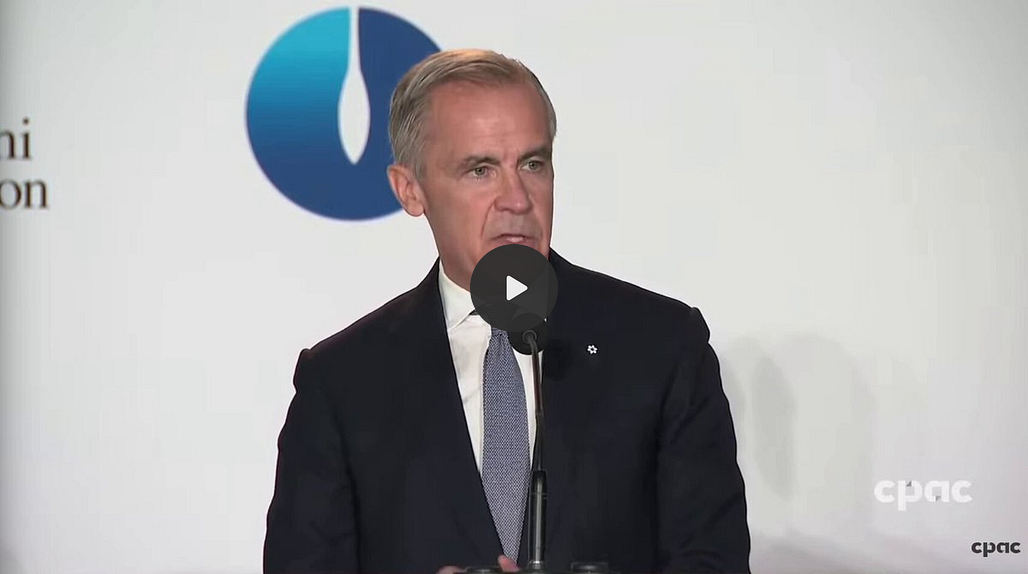
Asked this week whether LNG Canada would use Canadian or Chinese steel, Carney left the decision to the consortium.
“It’s a great question for the proponents of Phase 2,” he said. “I’ll leave it to them.”
“There will be full opportunities to buy Canadian steel,” Carney added. “But it will be for them to decide.”


Carney’s ‘Buy Canadian’ rules apply to federal purchasing, leaving LNG Canada in control of its supply chain.
LNG Canada says Canada lacks the capacity to fabricate the required modules, with only five yards worldwide capable of the work, including COOEC in China.
Canadian steel fabricators dispute that claim.
The Canadian Institute of Steel Construction says LNG Canada has not approached its members and insists Canadian companies could handle a substantial share of the work, including Phase 2 modules.

The Chinese connection extends beyond LNG Canada’s supply chain.
Shell Canada Energy owns 40 per cent of the project, while Chinese state-owned PetroChina holds a 15 per cent stake. Petronas owns 25 per cent, Mitsubishi Corporation 15 per cent and Korea Gas Corporation five per cent.
The arrangement has drawn Conservative scrutiny.
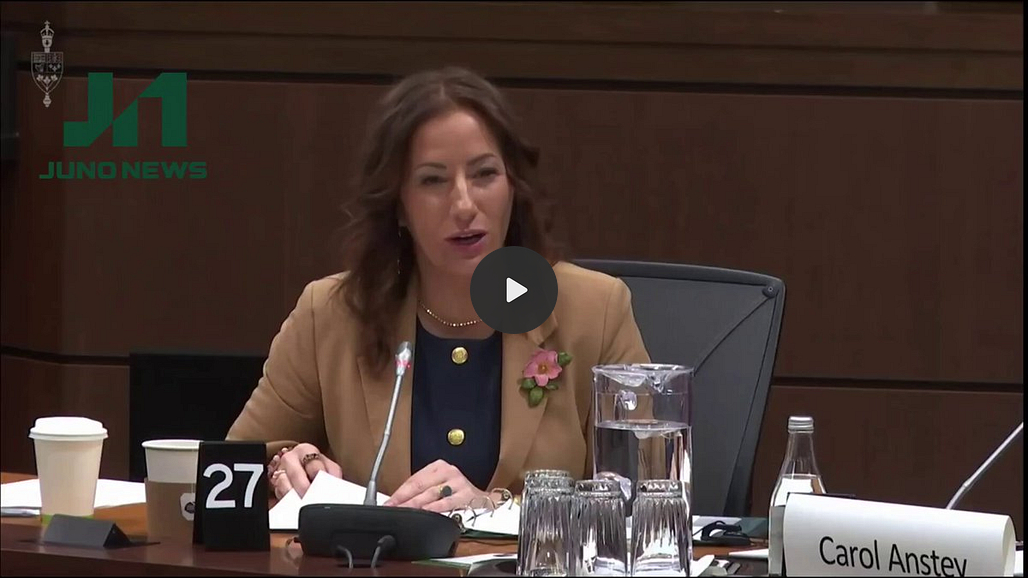
Pierre Poilievre accused the Carney government of “choosing China over our workers,” while MP Shannon Stubbs pressed ministers over Chinese fabrication.
At an April 28 committee, Stubbs said 35 LNG Canada modules had been fabricated in China and asked whether Major Projects Office projects would be barred from outsourcing steel and fabrication work there.
“Our direction as a government has been clear in terms of federal procurement,” Internal Trade Minister Dominic LeBlanc responded, but noted some procurement decisions were already too advanced to “cancel or change.”
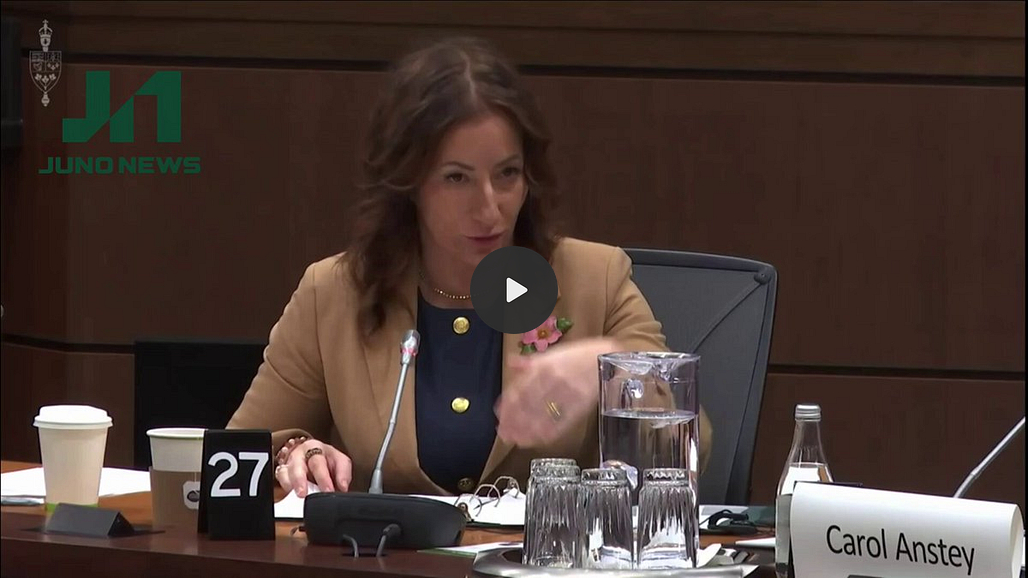
Stubbs also questioned whether PetroChina’s 15% stake had undergone a national security review.
“I am responsible for that,” LeBlanc said. “I am satisfied after the briefings I received that that review is done.”
LNG Canada previously secured an exemption from duties on Chinese fabricated steel worth an estimated $1 billion. Those duties later expired, and the company says no tariffs currently apply to its planned imports.
Not all the work will bypass Canadian steel. New Coastal GasLink compressor stations are targeting nearly 15,000 tonnes of Canadian steel, roughly 70% of their requirements.