

Canadian Vehicle Manufacturers Association demands Ottawa uphold Chinese tariffs
The Canadian Vehicle Manufacturers Association is warning Ottawa not to run to China in hopes of a better trade deal before negotiations on the Canada-United States-Mexico Agreement are concluded.
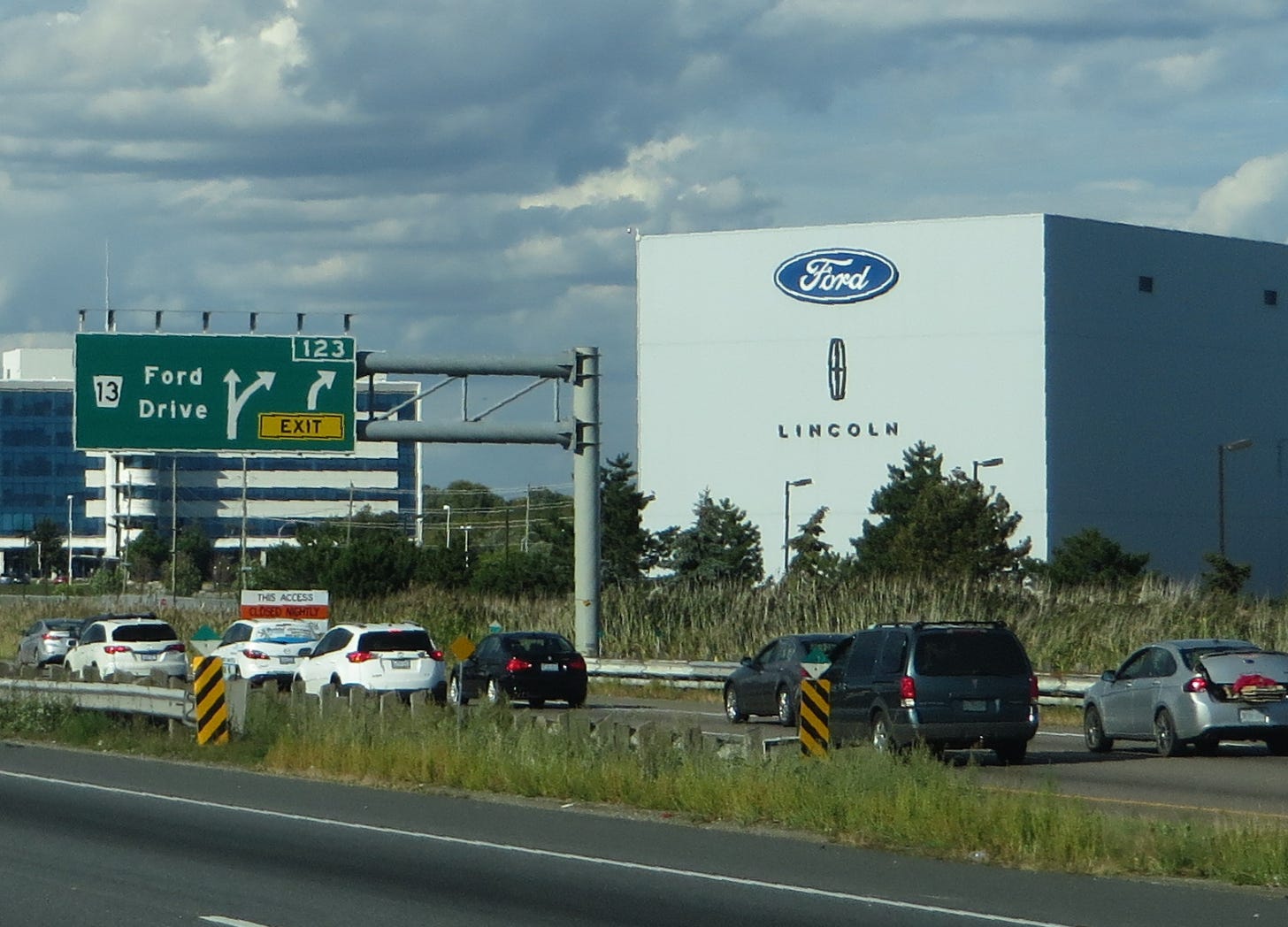
The Canadian Vehicle Manufacturers Association is warning Ottawa not to run to China in hopes of a better trade deal before negotiations on the Canada-United States-Mexico Agreement are concluded.
President and CEO of the CVMA, Brian Kingston, expressed his concerns about the Liberals walking back on the 100 per cent tariffs it imposed on China’s electric vehicles while appearing as a guest on the podcast Straight Up with Marc Patrone.
Prime Minister Mark Carney and several ministers are currently in Beijing for the first official visit with Chinese President Xi Jinping since 2017 to discuss trade relations.
Patrone asked Kingston to respond to Industry Minister Mélanie Jolie, who said she is in discussions with the Chinese to rescind tariffs and allow the sale of their EVs in Canada without a levy.
“It won’t work, and we shouldn’t be entertaining this. There’s a couple of reasons,” said Kingston on Thursday. “First of all, we’re at a very sensitive juncture in our discussions with the Americans towards the renewal of our trilateral trade agreement, CUSMA. We cannot risk our most important trade relationship by any overture to improve relationships with the Chinese.”
Kingston noted that Canada implemented tariffs on Chinese EVs in late 2024 to align with the Americans, as they underwent difficult trade disputes with Beijing.
He also added that without the tariffs, Canada’s domestic auto manufacturers wouldn’t be able to compete with China’s EVs, due to their automakers being heavily subsidized by the Chinese Communist Party.
“They have subsidized their industry to levels that are unheard of - $230 billion U.S. dollars in government subsidization, and now they’re dumping these vehicles around the world,” said Kingston. “So, we can’t let them bring these vehicles into the market. The idea that they would invest here and build is also just wrong, frankly. The Chinese business model is based on low labour costs and weak environmental regulations. Neither of those are going to fly in Canada.”
While Kingston said he understands the need for Ottawa to try and diversify its trading partners, given the current political tensions between Canada and the U.S., he doesn’t think that it should come at the cost of diversifying with a “partner country that has a track record and history of being unreliable.”
“It’s not as though China lives up to its international trade commitments and agreements, and we have example after example where China has used trade policy, or worse, imprisoning Canadians to leverage countries that it disagrees with and to secure outcomes,” he said.
China has also engaged in a litany of human rights abuses over the years, including forced labour camps with poor working conditions, and even slave labour camps involving Uyghurs Muslims.
The conversation also addressed the fact that the imposed tariffs on China weren’t based solely on economic grounds, as Canadian authorities had to contend with the major national security concerns presented by Beijing.
“There is a Cybersecurity risk,” said Kingston. “The U.S. has deemed these vehicles to be a national security risk because the information gathered could be going back to China.
So if the US has that concern, I’m pretty confident that our federal government security services would have the same concern as well.”
Above all else, Kingston pointed to the issue of proximity. The U.S. is not only Canada’s largest trading partner but also its closest geographic neighbour.
He added that the country is not immune to the known as the “gravity model of trade,” meaning that “a country will trade with whatever country is largest and closest.”
“You can’t break that. That’s the way it works. That’s how business is done,” said Kingston. “We happen to sit beside the wealthiest, most dynamic economy in the world, in the United States. So the idea that you could leverage China against the US and somehow increase your trade with China, it’s never gonna happen.”
As I read this I suspect that this association is now putting together a list of the best places to set up shop in the USA.
It was no secret Carney would likely do this for his new model is to poke the Americans in the eye at every opportunity.
But he was ably assisted by Doug Fraud and his over-sized yap.
Your politicians did this to you Canada.
And you voted for them and apparently the likes of Fraud and Carney are still popular.
Go figure.
Do you really have that big a death wish Canada?
Sure looks that way.
I suspect that conman was told to get to china by xi. And do what xi wants, or you'll get your secret funds cut off. Yes everything he's done is against canada. Couldn't have more prof now that he is communist working for the UN wef. And china is a top leader there, sort of one of the bosses, and conman and his gangsters are the puppets. No chance of getting out of this communist rule now, canada is done.