

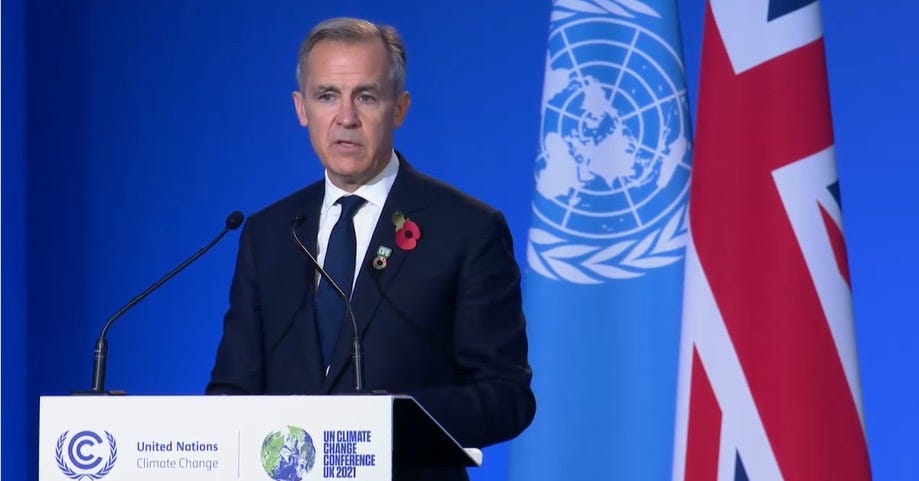
The Carney government quietly signed a controversial UN cybercrime treaty that critics warn could open Canadians’ data to sweeping foreign surveillance — without a parliamentary debate.
Conservative MP Leslyn Lewis is demanding answers, questioning why Ottawa reversed course after previously refusing to sign the agreement.
“The Liberal government should explain why there was no parliamentary or public debate on this treaty that many believe will impact the surveillance of Canadians,” Lewis wrote Friday.

Dr. Leslyn Lewis@LeslynLewis
Canada has reportedly signed the UN Cybercrime Convention.
The Liberal government should explain why there was no parliamentary or public debate on this treaty that many believe will impact on the surveillance of Canadians:
1. Why was this decision not announced publicly?
2.

2:14 PM · Jul 24, 2026 · 18K Views
152 Replies · 807 Reposts · 1.46K Likes

