
Algoma Steel to cut 1,000 jobs, close blast furnace amid U.S. tariffs
Canadian steel giant Algoma Steel is laying off 1,000 workers and closing its blast furnace in Sault Ste. Marie, blaming crushing new U.S. tariffs.
Canadian steel giant Algoma Steel is laying off 1,000 workers and closing its blast furnace in Sault Ste. Marie, blaming crushing new U.S. tariffs that have slammed the door on its biggest export market, the company announced Monday.
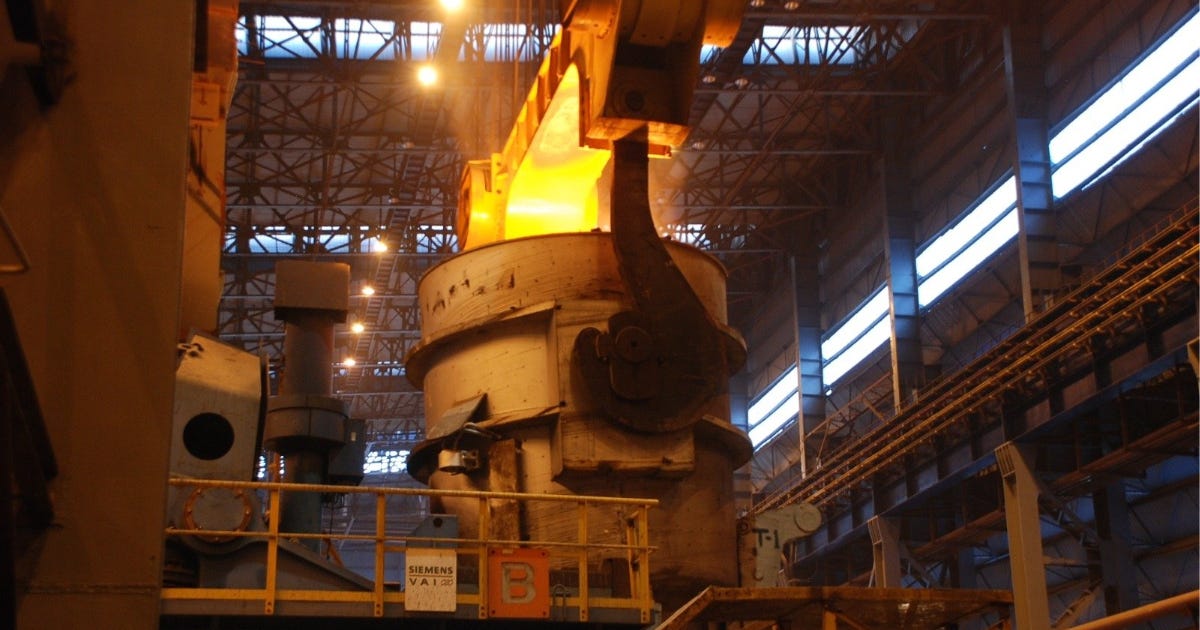
Algoma, which employs about 2,500 workers, announced it will close its blast furnace and coke-making facilities and speed up its transition to electric-arc furnace steelmaking by early 2026 — a year earlier than planned. The layoffs take effect March 23.
In a statement, the company said the Trump administration’s 50 per cent tariff on foreign steel has “fundamentally altered the competitive landscape,” cutting Algoma off from the U.S. market and contributing to a 13 per cent drop in third-quarter sales. The firm reported $89.7 million in direct tariff expenses during the quarter and said American buyers had become “largely closed to us.”
Algoma has received more than $500 million in combined federal and provincial emergency loans to support its transition to new technology, which it argues is necessary to remain viable.
“This transition is necessary to protect Algoma’s future in the face of these extraordinary and external market forces,” the company said. “We will continue to advocate for a competitive and fair trading environment for Canadian steel.”
Industry Minister Mélanie Joly told the House of Commons the federal government is in contact with Algoma and will support workers affected by what she called “unjustified and unjustifiable tariffs imposed by the White House.”
Finance Minister François-Philippe Champagne also reacted Monday, saying the job losses underscore the need to protect domestic production.
“Well first of all, I think about the workers and their families,” Champagne told reporters. “Clearly, we took a number of measures to support the steel sector to make sure the industry could pivot, to make sure we could invest in our steel industry.”
Champagne said Ottawa has been coordinating with the company to respond to the impacts of the U.S. tariffs. “In times like that, the first thing we need to do is support workers — we put the program in place, we’ve been in touch with the company to be sure we can support them,” he said. “And also, the thing that matters the most is to implement the Buy Canadian policy.”
Algoma said it will continue working with governments as it restructures its operations and seeks access to alternative markets for its products.


